
Over the past few years, the way we spend our downtime has shifted dramatically. From streaming services to interactive workshops, people are discovering new digital ways to unwind. Among these shifts, casino games have re-emerged as a notable entertainment choice, blending technology, psychology and social interaction in ways that echo other popular leisure forms online.
The rise of digital leisure
Leisure today is rarely passive. Audiences expect interactivity, flexibility and personalisation in whatever they choose to do. Whether it’s following live-streamed video, taking part in a virtual fitness class or playing multiplayer games, more of us are looking for experiences we can access instantly from home. Younger audiences in particular lean towards fast-paced, responsive platforms that keep them engaged.
Casino games fall neatly into this pattern. While the sector comes with important rules and regulations, many of the design mechanics they use, as well as the anticipation, strategy, quick decision-making and social competition, are also found in other digital platforms. That crossover appeal helps explain why they remain so visible in the entertainment mix, sitting comfortably alongside streaming services and gaming apps.
Leeds going digital
Leeds isn’t just following these global trends, it’s helping to set them. The city has carved out a reputation for innovation in the digital space, with several activities making online leisure more accessible.
The Leeds Digital Festival has become a highlight on the calendar, opening up talks, workshops and cultural events to audiences far beyond the city limits. Many sessions are streamed or offered online, creating a hybrid experience that reflects where leisure is headed.
Meanwhile, the organisation Leeds Digital continues that work throughout the year, sharing insights and curating online events that connect the city’s creative and tech communities. And for those looking to stay active without heading out, Active Leeds runs an “Active from Home” programme that streams fitness classes straight into living rooms.
All of these examples show how local initiatives are embracing the same shift we see in wider digital leisure, making engaging experiences easier to reach and more flexible to fit around daily life.
Where Leeds Is Headed Next
Leeds has already demonstrated its ability to quickly adapt to the evolving ways people spend their free time, but the city is not standing still. Local organisations, creative hubs, and tech innovators are continuing to explore what comes next for digital leisure.
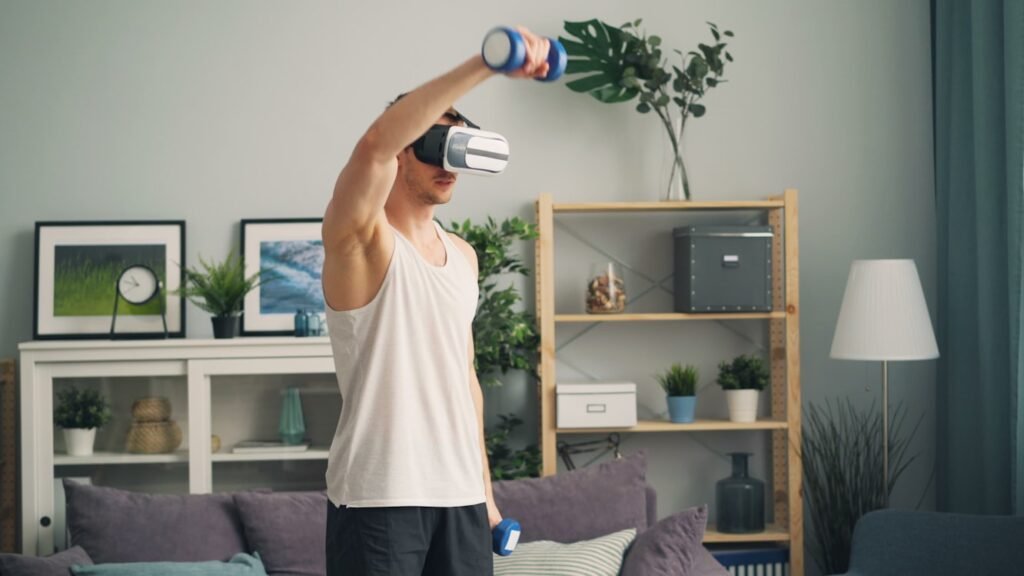
One area gaining momentum is immersive technology. From virtual reality experiences to augmented reality apps, Leeds-based start-ups are experimenting with tools that could change how audiences engage with culture, sport and entertainment. With the city’s strong university presence, research and development in this field are helping to attract both talent and investment.
Esports is another sector to watch. Competitive gaming events have grown across the UK, and Leeds is well-placed to host tournaments and attract younger audiences who are already part of the digital shift. Tied to this is the rise of collaborative online platforms, which make it easier for communities to come together virtually, whether for fitness, learning, or shared play.
These developments suggest that Leeds will continue to be a leader in digital leisure, blending innovation with accessibility. As audiences look for more interactive, engaging and flexible ways to spend their time, the city is preparing to meet that demand head-on.

As technology continues to evolve, the way people spend their downtime will keep changing. What’s clear is that audiences are driving the demand for interactivity, variety and convenience; and Leeds is positioning itself as a city ready to meet that demand. With immersive technology on the rise, esports finding a stronger foothold, and community organisations making online leisure accessible to everyone, Leeds is shaping a digital future that blends innovation with local culture. For residents and visitors alike, that means more opportunities to connect, learn and be entertained, both online and in person.