Indoor hanging baskets- Indoor hanging baskets are a beautiful and practical way to add greenery to your home. They can be used in a variety of settings, from living rooms and bedrooms to kitchens and bathrooms. In this article, we’ll explore the different types of indoor hanging baskets, the best plants to use, and how to care for your hanging plants.
Types of Indoor Hanging Baskets
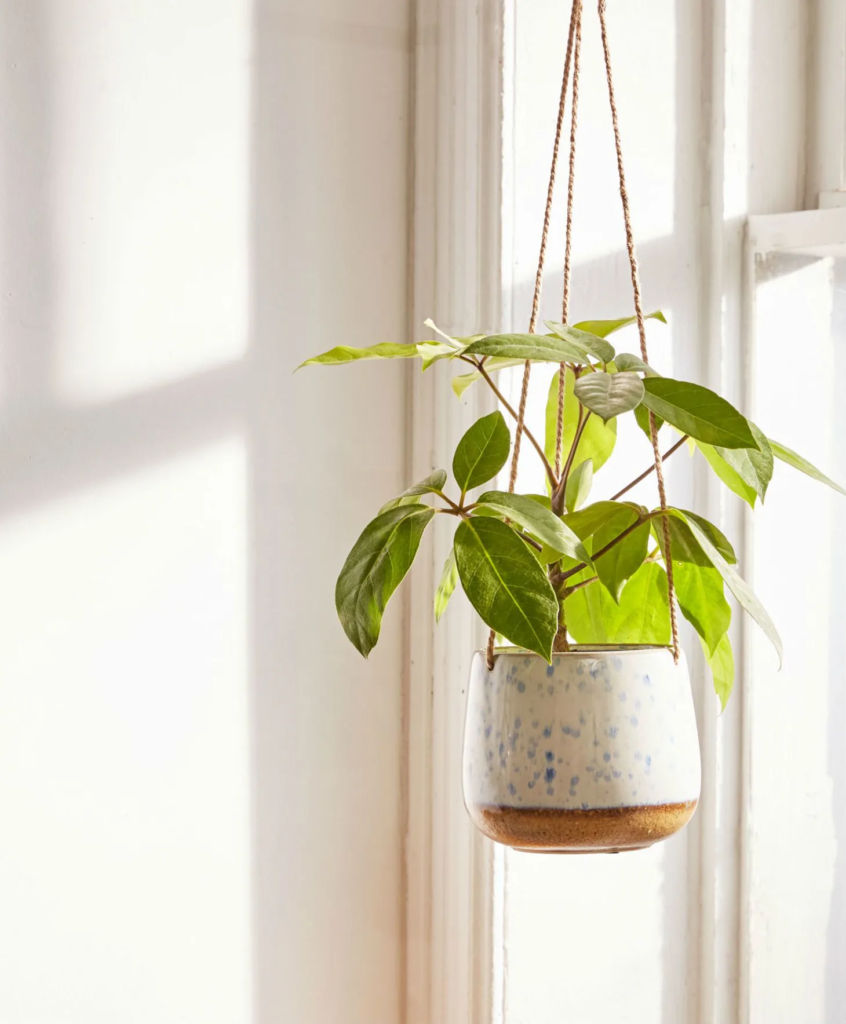
There are many different types of indoor hanging baskets available, each with its own unique style and features. Here are a few of the most popular options:
Macrame hanging baskets: These baskets are made from a type of knotting technique that creates a boho-chic look. They are often made from natural materials like cotton or hemp.
Wooden hanging baskets: Wooden hanging baskets are a classic choice that can add a touch of rustic charm to your home. They are available in a variety of styles, from simple and understated to ornate and decorative.
Ceramic hanging baskets: Ceramic hanging baskets are a stylish and modern option. They come in a wide range of colors and designs, and they can be used to create a focal point in any room.
Metal hanging baskets: Metal hanging baskets are durable and long-lasting. They are often made from wrought iron or aluminum and can be used both indoors and outdoors.
Best Plants for Indoor Hanging Baskets
Not all plants are suitable for hanging baskets. The best plants for hanging baskets are those that have trailing or cascading growth habits. Here are a few popular choices:
Boston fern: Boston ferns are a classic choice for hanging baskets. They have delicate, feathery fronds that create a lush and tropical look.
Spider plant: Spider plants are easy to care for and produce baby spiderettes that can be propagated to create new plants. They are a great choice for beginners.
Trailing jade: Trailing jade is a succulent with thick, fleshy leaves. Philodendron: Philodendrons are a large family of tropical plants that come in a variety of shapes and sizes. Many philodendrons have trailing or cascading growth habits and are perfect for hanging baskets.
Pothos: Pothos is a versatile plant that can be grown in a variety of conditions. It has heart-shaped leaves that come in a variety of colors, including green, variegated, and neon.
Caring for Indoor Hanging Baskets
Proper care is essential for keeping your indoor hanging baskets healthy and thriving. Here are a few tips for caring for your hanging plants:
Choose the right location: Indoor hanging baskets should be placed in a location that receives bright, indirect light. Avoid placing them in areas that are too dark or too hot.
Water regularly: Hanging baskets can dry out quickly, so it’s important to water them regularly.
Fertilize regularly: Feed your hanging plants with a balanced fertilizer once a month during the growing season.
Pruning: Pruning can help to maintain the shape and size of your hanging plants.
Indoor hanging baskets are a beautiful and practical way to add greenery to your home. By following these tips, you can enjoy healthy and thriving hanging plants for years to come.
FAQs
Indoor Hanging Baskets: A Greener Home
Indoor hanging baskets are a beautiful and practical way to add greenery to your living space. They can be used to display a variety of plants, from trailing vines to flowering plants.
Choosing the Right Plants
Q: What are some good plants for indoor hanging baskets?
A: Some popular choices for indoor hanging baskets include trailing begonias, ivy, spider plants, Boston ferns, and philodendrons. These plants thrive in hanging baskets and add a touch of elegance to your home.
Q: How do I choose the right plants for my indoor hanging basket?
A: Consider the amount of light your home receives, the humidity level, and your personal preferences. Some plants require more light than others, while others prefer a humid environment.
Caring for Your Indoor Hanging Baskets
Q: How often should I water my indoor hanging basket?
A: The watering frequency depends on the type of plant, the size of the basket, and the temperature and humidity of your home. As a general rule, check the soil moisture regularly and water when it feels dry to the touch.
Q: How often should I fertilize my indoor hanging basket?
A: Fertilize your indoor hanging basket once a month during the growing season (spring and summer) with a balanced liquid fertilizer.
Q: How do I prune my indoor hanging basket?
A: Pruning can help to maintain the shape and size of your indoor hanging basket. Remove any dead or yellow leaves, and pinch back any leggy growth.
Creating a Beautiful Display
Q: How do I choose the right hanging basket for my plants?
A: The size and shape of the hanging basket should be appropriate for the plants you plan to grow. Consider the weight of the plants and the overall aesthetic you want to achieve.
Q: How do I decorate my indoor hanging basket?
A: You can decorate your indoor hanging basket with moss, stones, or other decorative elements. Be sure to choose materials that are safe for your plants.
Q: How can I create a focal point with my indoor hanging baskets?
A: Place your indoor hanging baskets in a prominent location, such as above a sofa or dining table. You can also create a grouping of hanging baskets for a dramatic effect.
Troubleshooting Common Problems
Q: Why is my indoor hanging basket not flowering?
A: A lack of light, inadequate fertilization, or improper watering can prevent your indoor hanging basket from flowering.
Q: Why are the leaves on my indoor hanging basket turning yellow?
A: Yellow leaves can be a sign of overwatering, underwatering, or nutrient deficiency.
Q: How do I deal with pests on my indoor hanging basket?
A: Common pests that can affect indoor hanging baskets include aphids, mealybugs, and spider mites. You can treat these pests with insecticidal soap or neem oil.
Indoor hanging basket is a wonderful addition to any home. With proper care and attention, you can create a beautiful and thriving display that will bring joy and greenery to your living space.
To Read More; click here
