
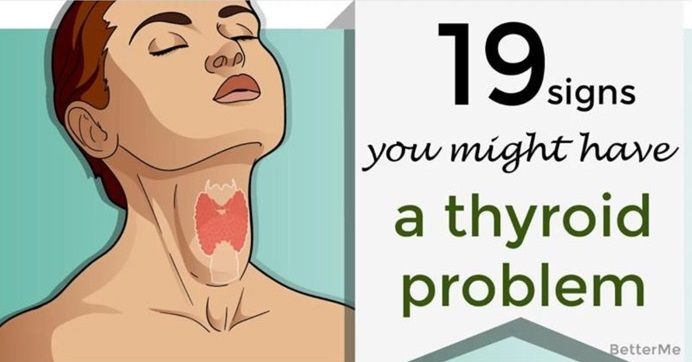
The thyroid gland, a butterfly-shaped organ located at the base of your neck, plays a vital role in regulating your metabolism. It produces hormones that influence various bodily functions, from energy levels and mood to digestion and heart rate. When the thyroid malfunctions, it can disrupt these processes, leading to a cascade of symptoms.
This article explores 19 signs and symptoms that might indicate a thyroid problem. It’s important to remember that these symptoms can also arise from other health conditions. If you experience several of these for an extended period, consulting a healthcare professional for proper diagnosis is crucial.

The Two Faces of Thyroid Imbalance: Hyperthyroidism and Hypothyroidism
Thyroid problems can manifest in two main ways:
Hyperthyroidism (overactive thyroid): The thyroid gland produces too much thyroid hormone.
Hypothyroidism (underactive thyroid): The thyroid gland doesn’t produce enough thyroid hormone.
The signs and symptoms associated with each condition can differ slightly.
Signs and Symptoms of Hyperthyroidism:
Unexpected Weight Loss: You might experience unexplained weight loss even with your regular diet and activity level.
Increased Heart Rate and Palpitations: A racing heart or irregular heartbeat can be a sign of hyperthyroidism.
Heat Intolerance and Excessive Sweating: Feeling constantly hot and sweating more than usual can be indicative of an overactive thyroid.
Anxiety, Irritability, and Trouble Sleeping: Hyperthyroidism can increase anxiety, make you feel on edge, and disrupt your sleep patterns.
Hand Tremor: Shakiness in your hands, especially noticeable when holding something steady, can be a symptom.
Diarrhea and Frequent Bowel Movements: Digestive issues like frequent diarrhea can be a consequence of an overactive thyroid.
Muscle Weakness and Fatigue:** Despite feeling constantly on edge, hyperthyroidism can lead to muscle weakness and fatigue.
Changes in Eyesight:** Bulging or protruding eyes (exophthalmos) can be a telltale sign of a severe form of hyperthyroidism called Graves’ disease.
Changes in Skin and Hair:** Hyperthyroidism can make your skin feel warm and moist, while hair might become brittle and thin.
Irregular Periods in Women:** Women with hyperthyroidism may experience irregular menstrual cycles, heavier periods, or even skip periods altogether.

Signs and Symptoms of Hypothyroidism:
Unexplained Weight Gain:** Even with a healthy diet and exercise, you might find yourself gaining weight with an underactive thyroid.
Feeling Cold Intolerant:** Constantly feeling cold despite adequate clothing can be a sign of hypothyroidism.
Fatigue and Lack of Energy:** Feeling sluggish and tired throughout the day is a common symptom of an underactive thyroid.
Slow Heart Rate and Feeling Faint:** A slow heartbeat and dizziness can be associated with hypothyroidism.
Dry Skin, Brittle Hair, and Hair Loss:** Dry, itchy skin and hair loss are common complaints in people with hypothyroidism.
Constipation:** Hypothyroidism can slow down your digestive system, leading to constipation.
Depression and Mood Swings:** Feeling down, depressed, or experiencing mood swings can be linked to an underactive thyroid.
Difficulty Concentrating and Brain Fog:** Hypothyroidism can impair your memory, focus, and cognitive function.
Muscle Weakness and Joint Pain:** Muscle weakness, aches, and stiffness in joints can be a symptom of hypothyroidism.
Remember: This list is not exhaustive, and the severity of symptoms can vary greatly between individuals. Early diagnosis and treatment are crucial for managing thyroid problems effectively.

When to See a Doctor:
If you experience several of these signs and symptoms for more than a few weeks, consult your doctor. They can perform a physical examination, order blood tests to measure thyroid hormone levels, and recommend appropriate treatment options based on the diagnosis.
Taking Charge of Your Thyroid Health:
If you’re diagnosed with a thyroid condition, there are ways to manage it effectively. Treatment often involves medication to regulate hormone levels. Maintaining a healthy lifestyle with a balanced diet, regular exercise, and managing stress can also contribute to overall well-being.
By being informed about the signs and symptoms of thyroid problems, you can be more proactive about your health and seek timely medical attention if needed.
FAQs
The thyroid, a small butterfly-shaped gland in your neck, plays a vital role in regulating your metabolism. When it malfunctions, it can wreak havoc on your entire body. If you’ve been searching YouTube or turning to Google for answers about your health, this FAQ on the signs of thyroid problems might be exactly what you need.
Remember: This information is for educational purposes only and shouldn’t replace consulting a medical professional.
What are the different types of thyroid problems?
The two main types of thyroid problems are:
Hyperthyroidism: When your thyroid produces too much hormone, causing your body to function in overdrive.
Hypothyroidism: When your thyroid doesn’t produce enough hormone, leading to slowed-down bodily functions.
What are some common signs of thyroid problems?
Here are 19 signs to watch out for, but remember that they can also be caused by other conditions. Seeing a physician is crucial for a correct diagnosis:
General Signs:
Fatigue: Constantly feeling exhausted, even after obtaining adequate rest.
Changes in weight: Unexplained weight loss (hyperthyroidism) or gain (hypothyroidism).
Sensitivity to Cold or Heat: Feeling colder (hypothyroidism) or hotter (hyperthyroidism) than usual.
Changes in Appetite: Increased appetite (hyperthyroidism) or decreased appetite (hypothyroidism).
Brain Fog and Mood:
Brain Fog: Difficulty concentrating, forgetfulness, and feeling mentally sluggish.
Anxiety or Irritability: Feeling on edge or easily annoyed (hyperthyroidism).
Depression: Feeling low and lacking motivation (hypothyroidism).
Body Changes:
Hair Loss: Thinning hair or excessive hair shedding.
Dry or Itchy Skin: Skin that feels dry, rough, and itchy.
Brittle Nails: Nails that are brittle, weak, and prone to breaking.
Muscle Weakness: Aches, pains, and weakness in your muscles.
Joint Pain: Stiffness and pain in your joints.
Irregular Periods: Changes in menstrual cycle, including heavier or more frequent periods (hypothyroidism) or missed periods (hyperthyroidism).
Heart and Sleep:
Heart Palpitations: Feeling like your heart is racing or skipping beats (hyperthyroidism).
Slow Heart Rate: A slower than usual heart rate (hypothyroidism).
Trouble Sleeping: Difficulty falling asleep or staying asleep (hyperthyroidism) or excessive sleepiness (hypothyroidism).
Eyes:
Puffy Eyes: Puffiness or swelling around the eyes, especially noticeable in the mornings (hypothyroidism).
Bulging Eyes: Protruding eyes, which can occur in severe cases of hyperthyroidism.
Sensitivity to Light: Increased sensitivity to light (hyperthyroidism).
How should I respond if I see these symptoms?
If you’re experiencing several of these signs, schedule an appointment with your doctor. They can perform a simple blood test to check your thyroid hormone levels and diagnose any underlying thyroid problems.
YouTube Whispers: Addressing Your Thyroid Concerns
Search for “thyroid symptoms” on YouTube. Many videos from medical professionals discuss these symptoms in detail. Be sure the videos come from reputable sources.
Don’t self-diagnose based on YouTube alone. While videos can provide information, a proper diagnosis requires a doctor’s expertise.
Remember: Early detection and treatment of thyroid problems can significantly improve your quality of life. If you have any concerns, consult your healthcare provider. They can guide you towards the best course of treatment and help you get back on track to feeling your best.
To read more, Click Here.