
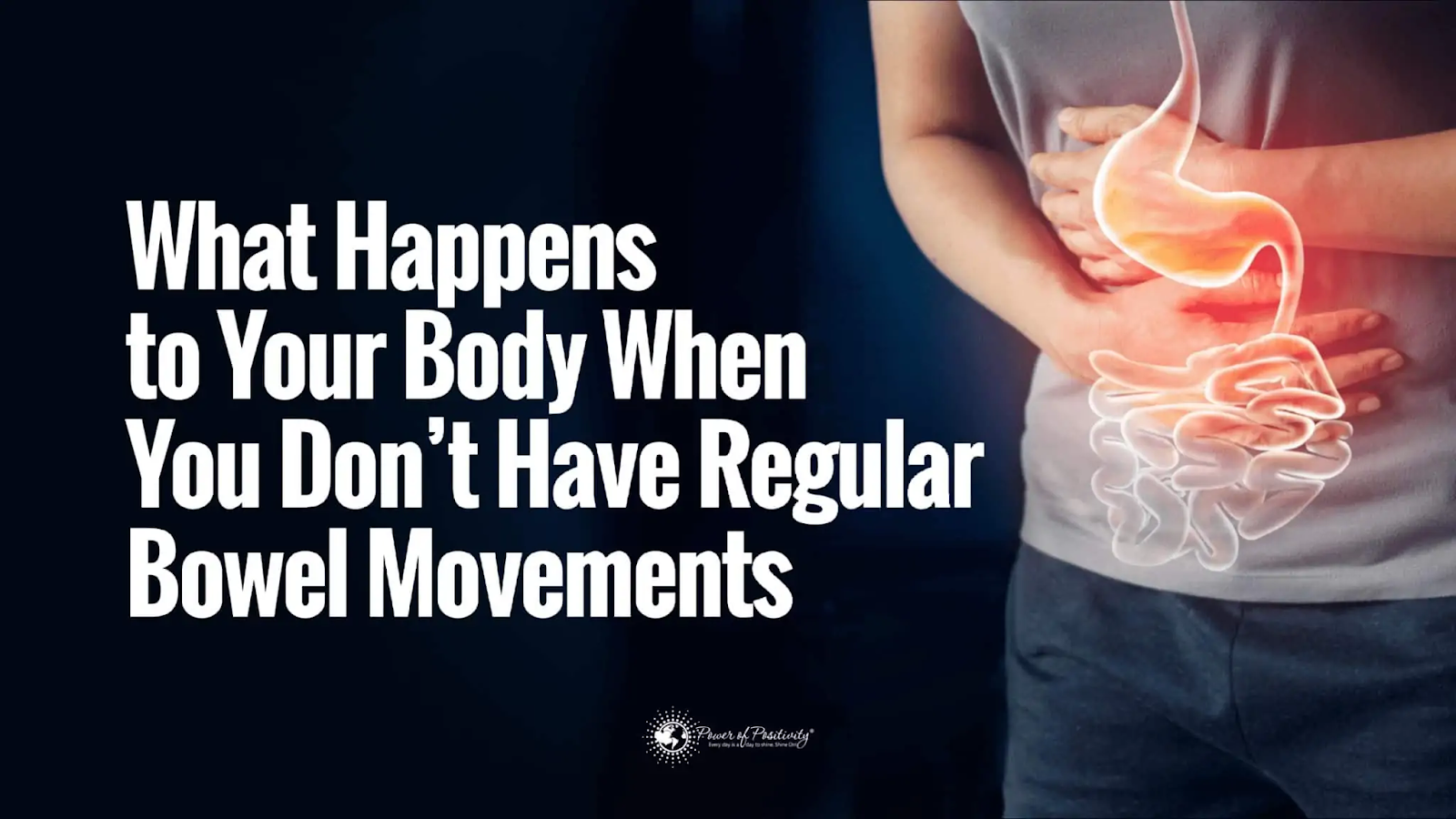
Going seven days without a bowel movement (bowel movement or BM) while still passing gas can be concerning. While passing gas might seem like a sign that everything is moving along properly in your digestive system, it doesn’t necessarily mean you’re not constipated.
This article will explore the reasons behind constipation without complete blockage, offering solutions and highlighting when to seek medical attention.

Understanding Constipation: Beyond the Myth of Daily Bowel Movements
Constipation is defined as having difficulty passing stool infrequently (less than three times a week) or having hard, lumpy stools. It’s important to remember that bowel habits vary from person to person. Some people may have a bowel movement every day, while others may only go every other day and still be perfectly healthy. As long as your stools are soft and easy to pass, less frequent BMs may not be a cause for concern.
Why the Gas? Separating Fact from Fiction
Passing gas is a normal bodily function caused by the breakdown of food by bacteria in your gut. Even constipated individuals can experience gas because fermentation still occurs in the colon even if stool isn’t moving through regularly. The gas may find ways to escape through belching or passing flatulence, even if stool passage is difficult.
Potential Causes of Constipation Without Complete Blockage:
Several factors can contribute to constipation without causing a complete blockage in your digestive system:
Diet: Low fiber intake is a major culprit. Fiber adds bulk to stool and aids in its smooth passage through the digestive tract. Dehydration can also harden stool and make it more difficult to pass.
Lack of Exercise: Regular physical activity helps stimulate muscle contractions in the gut, moving food along the digestive system. A sedentary lifestyle can slow down this process and lead to constipation.
Medications: Certain medications, such as opioids, antidepressants, and diuretics, can have constipation as a side effect.
Medical Conditions: Underlying medical conditions like irritable bowel syndrome (IBS), hypothyroidism, and neurological disorders can affect bowel movements.
Ignoring the Urge to Go: Regularly ignoring the urge to have a bowel movement can weaken the rectal muscles and lead to constipation over time.

Taking Charge: Effective Strategies to Relieve Constipation
If you’ve gone seven days without a bowel movement and are passing gas, here are some steps you can take to find relief:
Increase Fiber Intake: Aim for 25-35 grams of fiber daily by incorporating fruits, vegetables, and whole grains into your diet. Consider fiber supplements if dietary changes alone aren’t enough.
Stay Hydrated: Drink plenty of water throughout the day to soften stool and aid its passage.
Exercise Frequently: To stimulate your digestive system, participate in frequent physical exercise. Aim for at least 30 minutes of moderate-intensity exercise most days of the week.
Establish a Regular Bathroom Routine: Try to go to the bathroom at around the same time each day, even if you don’t feel the urge to go. This can help train your bowels to have a more regular pattern.
Relax on the Toilet: Don’t strain too hard during bowel movements. Straining can worsen hemorrhoids and make constipation even more uncomfortable. Consider using a stool to prop your feet up slightly to create a more natural position for elimination.
Consider Over-the-Counter Laxatives: Short-term use of over-the-counter laxatives like stool softeners or stimulant laxatives can provide relief. However, don’t rely on laxatives for long-term management of constipation without consulting your doctor.
Listen to Your Body: Pay attention to your body’s signals. If you experience severe abdominal pain, rectal bleeding, or vomiting along with constipation, consult your doctor immediately.These might be indicators of a more serious underlying illness.
When to Seek Medical Attention: Don’t Wait Until It’s Unbearable
While most cases of constipation can be managed with lifestyle changes and home remedies, there are situations where seeking medical attention becomes essential:
No Bowel Movement for More Than a Week: If you haven’t had a bowel movement in more than a week and home remedies aren’t providing relief, consult your doctor.
Severe Abdominal Pain: If you experience severe abdominal pain along with constipation, it could indicate a more serious issue like appendicitis or intestinal blockage. Seek immediate medical attention.
Rectal Bleeding: Any rectal bleeding requires medical evaluation to rule out underlying conditions like hemorrhoids or diverticulitis.
Changes in Bowel Habits: A sudden change in your bowel habits, such as narrower stools or blood in the stool, warrants a doctor’s visit to identify the cause.
Remember: This article provides general information and should not be interpreted as medical advice. If you are experiencing constipation or any other digestive issues, consult your doctor for proper diagnosis and treatment.
By understanding the possible causes of constipation and taking steps to address them, you can regain regularity and avoid the discomfort of infrequent bowel movements. Don’t let constipation hold you back from living a healthy and comfortable life.

FAQs
Going seven days without a bowel movement (BM) while still passing gas can be concerning. This FAQ aims to address your worries and provide information based on reliable sources. Remember, this is not a substitute for professional medical advice.
Is it normal to go 7 days without a bowel movement?
No, generally it’s not normal to go that long without a BM. Most people have bowel movements anywhere between three times a day to three times a week.
Why might I be passing gas but not having a bowel movement?
There are several reasons for this:
Constipation: This is the most likely culprit. Stool becomes hard and difficult to pass, while gas can still build up and escape.
Incomplete Bowel Movements: You might feel like you’ve emptied your bowels, but some stool remains behind.
Slow Transit Time: Food moves too slowly through your digestive system, allowing for excessive gas production while stool gets backed up.
What are some other symptoms of constipation?
Straining during bowel movements
Hard, lumpy stools
Feeling of incomplete evacuation
Bloating and abdominal discomfort
Rectal pain
What should I do if I’m experiencing this?
Here are some initial steps you can take:
Increase fiber intake: Aim for fruits, vegetables, and whole grains to bulk up your stool and promote easier passage.
Hydrate: Drink plenty of water throughout the day to soften stool.
Exercise regularly: Physical activity stimulates your digestive system.
Try over-the-counter laxatives: Use them sparingly and according to the instructions.
When should I see a doctor?
If you experience severe abdominal pain or bloody stools.
If constipation persists for more than two weeks despite lifestyle changes.
Should you notice abrupt modifications in your digestive patterns.
What can I find on Youtube about this topic?
While Youtube might offer anecdotal experiences and home remedies for constipation, it’s important to be cautious.
Look for videos from licensed healthcare professionals.
Don’t rely solely on Youtube information for diagnosis or treatment.
If a Youtube video raises concerns, consult a doctor.
Remember: Constipation is a common issue, but it’s important to address it if it becomes persistent or causes discomfort. By making some lifestyle changes and potentially consulting a doctor, you can get your digestive system back on track.
To read more, Click Here.