
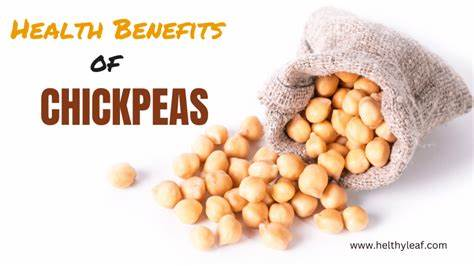
Garbanzo beans, also referred to as chickpeas, are a staple food in many civilizations worldwide. These little nutritional legumes boast a nutty flavor and a firm texture, but are they truly good for you? The answer is a resounding yes! Packed with essential nutrients and offering a variety of health benefits, chickpeas deserve a place on your plate.
This article dives into the fascinating world of chickpeas, exploring their nutritional profile, potential health benefits, and how to incorporate them into your diet for a tastier and healthier you.

A Nutritional Breakdown: Unveiling the Goodness Packed Within Chickpeas
Chickpeas are a nutritional powerhouse, offering a wealth of vitamins, minerals, fiber, and protein. Here’s a glimpse at some of the key nutrients they provide per cup (cooked):
Protein: 14.5 grams – An excellent source of plant-based protein, essential for building and repairing tissues.
Fiber: 12.5 grams – Promotes gut health, aids digestion, and can help you feel fuller for longer.
Folate: 45% Daily Value (DV) – Crucial for cell growth and DNA synthesis, especially important during pregnancy.
Manganese: 88% DV – Plays a role in metabolism, bone health, and wound healing.
Iron: 27% DV – Important for oxygen transport and red blood cell production.
Phosphorus: 36% DV – Essential for bone health and energy production.
Potassium: 13% DV – Helps regulate blood pressure and muscle function.
Vitamin B6: 19% DV – Supports cognitive function and red blood cell production.
Beyond the Basics: Exploring the Potential Health Benefits of Chickpeas
The impressive nutrient profile of chickpeas translates to a range of potential health benefits:
Weight Management: The high fiber content in chickpeas can promote feelings of fullness and reduce calorie intake, potentially aiding in weight management efforts.
Improved Blood Sugar Control: Chickpeas have a low glycemic index (GI), meaning they cause a gradual rise in blood sugar levels. Those who have diabetes or prediabetes may benefit from this.
Reduced Risk of Heart Disease: The fiber and healthy fats in chickpeas can help lower LDL (bad) cholesterol levels and improve overall heart health.
Aids Digestion: The prebiotic fiber in chickpeas nourishes gut bacteria, promoting digestive health and regularity.
Potential Cancer Prevention: Some studies suggest that the fiber and antioxidants in chickpeas might play a role in reducing the risk of certain cancers.
Important Note: While research is promising, more studies are needed to fully understand the impact of chickpeas on specific health conditions.

Beyond the Bean: Exploring Different Types and How to Cook Them
There are several varieties of chickpeas available:
Kabuli Chickpeas: The most common type, these are the beige-colored chickpeas you’ll typically find in grocery stores.
Black Chickpeas: Offering a slightly nutty flavor, these chickpeas hold their shape well in soups and stews.
Desi Chickpeas: Smaller and darker in color, these chickpeas are commonly used in Indian cuisine.
Cooking Chickpeas:
Dried Chickpeas: Soak dried chickpeas overnight or for at least 8 hours before cooking. Soaking reduces cooking time and improves digestibility. Cook soaked chickpeas in water for 45-60 minutes or until tender.
Canned Chickpeas: A convenient option, canned chickpeas are already cooked and can be rinsed and added directly to your dish.
The Final Word: A Bean with Big Benefits
Chickpeas are a delicious, nutritious, and versatile addition to any diet. Packed with protein, fiber, and essential vitamins and minerals, they offer a range of potential health benefits. From managing weight to promoting gut health, chickpeas can be a valuable tool for promoting overall well-being. Whether you’re a seasoned vegetarian, a curious omnivore, or simply looking for ways to add more plant-based protein to your diet, chickpeas deserve a spot on your plate. So, get creative in the kitchen and explore the endless possibilities of this culinary gem!

Tips for Enjoying Chickpeas:
Spice It Up: Chickpeas pair well with a variety of spices and herbs. Experiment with cumin, coriander, paprika, turmeric, chili powder, or your favorite spice blends.
Go Global: Explore chickpea dishes from around the world for inspiration. Try Indian chana masala, Middle Eastern falafel, Italian pasta e ceci (pasta with chickpeas), or Spanish garbanzo bean stew.
Sneak Them In: Add mashed chickpeas to burgers, meatloaf, or meatballs for a boost of protein and fiber.
Think Beyond Savory: Roasted chickpeas with a touch of cinnamon or cocoa powder make for a healthy and satisfying sweet snack.
Remember:
Buy in Bulk: Dried chickpeas are a cost-effective option and can be stored for months in a cool, dry place.
Sprouting: Sprouting chickpeas can further enhance their digestibility and nutrient content. Sprouted chickpeas can be enjoyed raw or cooked.
Be Mindful of Sodium: Opt for low-sodium canned chickpeas or rinse them thoroughly to reduce sodium content.
Nutritional Chickpeas: A Sustainable Choice
Chickpeas are a sustainable food source. They require less water to grow compared to some other protein sources like meat. Additionally, chickpeas can help improve soil health by fixing nitrogen in the ground.
By incorporating chickpeas into your diet, you’re not only nourishing your body, but also making a more sustainable food choice.
The Future of Chickpeas: Innovation and Exploration
Chickpea research and innovation are ongoing. New chickpea flours and products are being developed, offering exciting possibilities for gluten-free baking and alternative protein sources. As research progresses, we can expect to see chickpeas play an even bigger role in a healthy and sustainable food system.
So, the next time you’re at the grocery store, don’t overlook the humble chickpea. With their impressive nutritional profile, versatility, and potential health benefits, chickpeas are a true superfood waiting to be explored and enjoyed!
FAQs
Chickpeas, those little beige wonders, are a staple in many cultures. But are they worth the hype? Let’s dive into the world of chickpeas and answer all your burning questions, from YouTube searches to everyday dinner dilemmas.
Are chickpeas good for you?
Absolutely! Chickpeas are a nutritional powerhouse, packing a punch of protein, fiber, vitamins, and minerals. Here’s why you should include them in your diet:
Protein Powerhouse: Just one cup of chickpeas provides nearly 15 grams of protein, making them a great option for vegetarians and vegans.
Fiber Fantastic: Chickpeas are loaded with fiber, keeping you feeling full for longer and aiding digestion.
Vitamin and Mineral Marvels: They’re a good source of iron, folate, phosphorus, and potassium, all essential for various bodily functions.
Blood Sugar Benefits: Chickpeas have a low glycemic index, meaning they won’t cause blood sugar spikes and can be helpful for managing diabetes.
Do chickpeas have any health benefits?
The benefits go beyond basic nutrition! Here’s how chickpeas can contribute to your well-being:
Promote Weight Management: Their fiber content keeps you feeling satisfied, which can help with weight control.
Support Heart Health: They can help lower cholesterol and regulate blood pressure, reducing the risk of heart disease.
Boost Gut Health: Fiber is crucial for gut health, and chickpeas can promote a healthy digestive system.
May Help Manage Blood Sugar: As mentioned earlier, their low glycemic index is beneficial for blood sugar control.
Are there any downsides to eating chickpeas?
Chickpeas are generally safe for most people, but there are a few things to consider:
Antinutrients: They contain lectins and saponins, which can cause digestive discomfort in some individuals. Soaking and rinsing chickpeas before cooking helps reduce these.
FODMAPs: For those with Irritable Bowel Syndrome (IBS), chickpeas contain FODMAPs, which can trigger symptoms. For individualized guidance, see a qualified dietician or your physician.
How can I incorporate chickpeas into my diet?
The beauty of chickpeas is their versatility! Here are some ideas to get you started:
Hummus Hero: The classic! Mash chickpeas with tahini, olive oil, lemon juice, and spices for a delicious dip.
Salad Superstar: Toss roasted or cooked chickpeas into salads for added protein and texture.
Soup Sensation: Create hearty and flavorful chickpea soups like Indian chana masala.
Crispy Cravings: Roast chickpeas for a satisfying and crunchy snack.
Burger Bliss: Blend chickpeas into veggie burgers for a protein-packed alternative.
What do Youtube videos say about chickpeas?
Many Youtube videos showcase the culinary magic of chickpeas. You’ll find recipe tutorials, health benefits discussions, and even creative ways to incorporate chickpeas into your diet. Remember to be critical of the information presented and prioritize videos from credible sources like registered dietitians or health professionals.
Are chickpeas a good addition to my diet?
With their impressive nutritional profile and versatility, chickpeas are a fantastic addition to most diets. They’re a delicious way to boost your protein intake, fiber content, and overall well-being. So, next time you’re at the grocery store, consider adding these little nutritional powerhouses to your cart!
To read more, Click Here.