
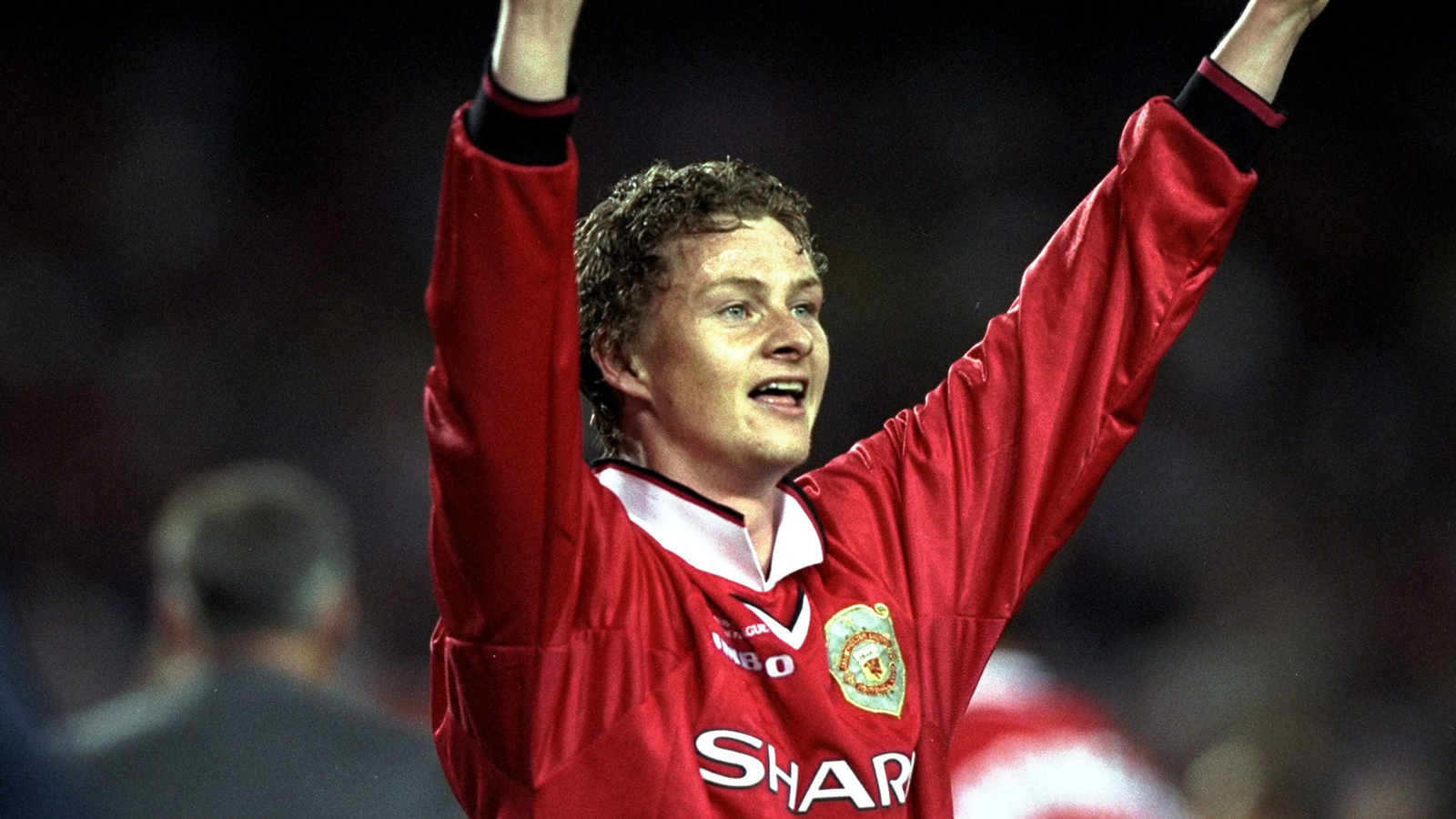
Ole Gunnar Solskjær, a name synonymous with Manchester United and dramatic Champions League finishes, has carved a unique path in the world of football. This article explores his journey, from his early days in Norway to his managerial stint at the iconic Old Trafford club. We’ll delve into his playing career, managerial philosophies, and the legacy he left behind.
Early Life and Playing Career: The Making of a Supersub
Born in 1973 in Kristiansund, Norway, ole gunnar solskjær footballing journey began at a young age. Playing for local clubs, his talent was evident, and he eventually caught the eye of Molde FK, a prominent Norwegian team. Here, he honed his skills, becoming known for his pace, finishing ability, and knack for scoring crucial goals.
In 1996, his career took a significant turn when he signed for Manchester United under Sir Alex Ferguson. While initially seen as a backup striker, Solskjær quickly earned the nickname “The Baby-faced Assassin” for his composure and ability to score late winners. The 1999 Champions League final against Bayern Munich remains his most iconic moment. Coming on as a substitute in the dying minutes, he scored the winning goal, securing Manchester United a historic treble.
Solskjær’s career was unfortunately plagued by knee injuries, limiting his playing time. However, he continued to contribute significantly, scoring important goals and becoming a valuable squad player. He retired in 2007, leaving behind a legacy of dedication and clutch performances.
Managerial Beginnings: Taking the Reins at Molde
Following his retirement, Solskjær transitioned into coaching, starting with Manchester United’s reserve team. In 2011, he returned to his former club Molde FK as manager. There, he implemented a possession-based, attacking style of play, achieving remarkable success. He led Molde to two Norwegian league titles (2011, 2012) and one Norwegian Cup (2013), establishing himself as a promising manager.
Manchester United Calling: The Dream Job and Reality
In 2018, a dream opportunity arose for Solskjær. Following a string of poor results, Manchester United appointed him as caretaker manager, replacing the sacked José Mourinho. Solskjær’s arrival brought a much-needed boost in morale and performance. He instilled a positive, attacking approach, reminiscent of Sir Alex Ferguson’s era. Manchester United went on an impressive unbeaten run, reigniting hope among fans.
Positive Start, Mounting Challenges: The Permanent Manager
Solskjær’s success as caretaker manager earned him a permanent contract in March 2019. Initially, the results were promising. He guided Manchester United to a third-place finish in the Premier League and reached the Europa League final in 2021. However, the team’s inconsistency and lack of a clear playing style became increasingly evident.
Solskjær’s focus on building a squad for the future often came at the expense of immediate results. Big-money signings failed to live up to expectations, and defensive frailties remained a constant concern. Despite glimpses of his attacking philosophy, Manchester United lacked the tactical flexibility and ruthlessness needed to compete with the likes of Manchester City and Liverpool.
The End of an Era: The Pressure of Expectations
After a series of disappointing results in November 2021, Manchester United made the decision to part ways with Solskjær. The decision was met with mixed reactions, with some fans acknowledging the need for change while others felt Solskjær deserved more time to build his team.
Solskjær’s Legacy: A Mixed Bag
Solskjær’s legacy at Manchester United is a complex one. He remains a club legend for his playing career, but his managerial tenure yielded mixed results. He undoubtedly brought back a sense of optimism and attacking flair, but ultimately fell short of replicating the sustained success of Sir Alex Ferguson.
What’s Next for Ole Gunnar Solskjær?
Since leaving Manchester United, Solskjær has remained out of management. However, recent reports suggest he is open to returning to the dugout. His experience and knowledge of the game will undoubtedly make him an attractive proposition for clubs seeking a passionate and tactically sound manager.
Key Questions Answered: A Look at Online Searches
Here are some key questions regarding Ole Gunnar Solskjær that this article has addressed, based on popular online searches:
What was Solskjær’s playing career like? The article details his rise from Norwegian clubs to Manchester United, highlighting his role as a supersub and his iconic Champions League.
FAQs
Playing Career
Q: What was Ole Gunnar Solskjær’s playing position?
A: Solskjær was a forward, known for his pace, finishing ability, and knack for scoring dramatic late goals.
Q: For which clubs did Ole Gunnar Solskjær play?
A: Solskjær played professionally for Clausenengen in Norway before joining Molde. He achieved most of his success with Manchester United, where he spent 11 seasons.
Q: What are some of Ole Gunnar Solskjær’s biggest achievements as a player?
A: Solskjær won six Premier League titles, two FA Cups, a Champions League trophy, and the Intercontinental Cup with Manchester United. He’s also a three-time Norwegian Tippeligaen champion with Molde.
Q: Is Ole Gunnar Solskjær remembered for a specific goal?
A: Absolutely! Solskjær scored the winning goal in the 1999 Champions League final against Bayern Munich, coming on as a substitute in dramatic fashion.
Management Career
Q: When did Ole Gunnar Solskjær become a manager?
A: Solskjær began his managerial career with Molde in 2008, winning the Norwegian Tippeligaen in 2011.
Q: How did Ole Gunnar Solskjær end up managing Manchester United?
A: In 2018, Solskjær was appointed Manchester United’s caretaker manager following the dismissal of José Mourinho. He impressed with his results and playing style, eventually landing the permanent job in 2019.
Q: What were some of the highs and lows of Solskjær’s time at Manchester United?
A: Highs included reaching three cup finals (one League Cup and two Europa League finals) and finishing second in the Premier League once. Lows involved inconsistent performances and a lack of trophies.
Q: When did Ole Gunnar Solskjær leave Manchester United?
A: Solskjær was relieved of his duties as Manchester United manager in November 2021.
Q: What is Ole Gunnar Solskjær doing now?
A: As of July 2024, there’s no official news on Solskjær’s next managerial role.
Interesting Facts
Q: Did Ole Gunnar Solskjær play any other sports?
A: Yes! Interestingly, Solskjær trained in Greco-Roman wrestling between the ages of eight and ten.
Q: Did Ole Gunnar Solskjær support Manchester United before playing for them?
A: Surprisingly, Solskjær actually supported Liverpool as a child!
Q: Is there a nickname for Ole Gunnar Solskjær?
A: Yes, Solskjær is affectionately known as “The Baby-faced Assassin” by Manchester United fans due to his youthful appearance and clinical finishing.
To read more; click here