
spain weather warning: Spain, once a byword for sun-kissed shores and gentle Mediterranean breezes, is undergoing a dramatic climatic metamorphosis. The nation, historically renowned for its predictable climate patterns – mild, sun-drenched winters followed by scorching summers – is now grappling with an increasingly volatile and unpredictable weather regime. The Iberian Peninsula, once a bastion of climatic consistency, has become a microcosm of global climate change, experiencing a disconcerting escalation of extreme weather events. From the relentless intensity of heat waves that scorch the land to torrential downpours that cause flash floods, and even the unprecedented occurrence of winter snowstorms in traditionally temperate regions, Spain is facing a stark new climate reality. These climatic anomalies are not isolated incidents but rather harbingers of a future characterised by heightened weather instability and its attendant challenges.
A Nation Under Pressure
Spain’s diverse geography, a blend of mountains, coastlines, and vast plains, contributes to a complex weather system. While the country still enjoys its reputation for warm temperatures, the intensity and frequency of extreme weather events have become a growing concern.
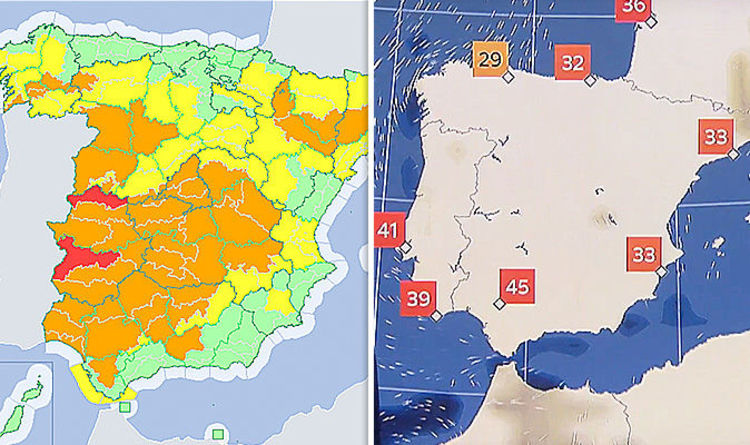
Summer Scorchers: Heatwaves are becoming more frequent and severe, with temperatures soaring well above 40°C in many regions. These extreme conditions pose significant health risks to both residents and tourists, straining healthcare systems and impacting daily life.
Winter Surprises: Traditionally mild winters are now punctuated by unexpected snowstorms that disrupt transportation, close schools, and cause economic losses. Mountainous regions are particularly vulnerable to these winter extremes.
Unpredictable Rains: Spring and autumn, once periods of gentle rainfall, now experience intense downpours leading to flash floods, particularly in urban areas with inadequate drainage infrastructure.
A Warning System Under Strain
Spain’s meteorological agency, AEMET, is at the forefront of monitoring and predicting these weather anomalies. They employ a color-coded warning system to alert the public about impending threats: green for normal conditions, yellow for potential adverse weather, orange for significant risk, and red for extreme danger. While this system is essential, the increasing unpredictability of weather patterns challenges even the most sophisticated forecasting models.
Economic and Societal Impacts
Spain’s economy, heavily reliant on tourism and agriculture, is particularly vulnerable to the whims of the weather. Heatwaves can deter tourists, while heavy rains and floods can devastate crops and damage infrastructure. The tourism industry, a cornerstone of the Spanish economy, faces challenges in adapting to these new climatic realities.
Building Resilience
Addressing the impacts of extreme weather requires a multifaceted approach. Key strategies include:
Improved Forecasting: Investing in advanced meteorological technology is crucial for providing accurate and timely warnings.
Infrastructure Upgrades: Building infrastructure that can withstand extreme weather conditions is essential. This includes everything from flood defenses to heat-resistant buildings.
Emergency Preparedness: Developing comprehensive emergency plans and conducting regular drills can help communities respond effectively to disasters.
Climate Change Mitigation: Reducing greenhouse gas emissions is a long-term strategy to address the root causes of climate change.
Public Awareness: Educating the public about weather safety and climate change is vital for fostering a resilient society.
Spain is making strides in implementing these measures, but the challenges are ongoing. As the climate continues to evolve, the nation must adapt and innovate to protect its citizens, economy, and environment.
The battle against extreme weather is far from over. It is a challenge that will require ongoing collaboration between government agencies, scientists, and the public. By working together, Spain can build a more resilient future in the face of a changing climate.
FAQs
Spain Weather Warnings: Your Essential Guide
Spain is known for its sunny weather, but it’s essential to be prepared for various weather conditions, especially during peak tourist seasons. Here’s a breakdown of common weather warnings and how to stay safe:
Common Weather Warnings in Spain
Heatwaves:
Q: When do heatwaves typically occur in Spain? A: Heatwaves in Spain are most common during the summer months, particularly July and August. However, they can occur as early as May or as late as September.
Q: What are the signs of a heatwave? A: High temperatures, often exceeding 35°C (95°F), for several consecutive days.
Q: How can I protect myself during a heatwave? A: Stay hydrated, avoid outdoor activities during the hottest part of the day, wear loose-fitting clothing, and use sunscreen. Check on elderly relatives and neighbors. For more information, visit the Spanish Meteorological Agency (AEMET): https://www.aemet.es/en/
Rain and Storms:
Q: Can it rain in Spain? A: While Spain is generally known for its sunshine, it can experience heavy rainfall, especially in mountainous regions and during the spring and autumn.
Q: What should I do during a storm? A: Seek shelter indoors, avoid outdoor activities, and be cautious of flash floods. Stay informed about weather updates through local news or the AEMET website.
Q: Are there specific regions prone to storms? A: The Balearic Islands and the Mediterranean coast can experience occasional storms, especially during the off-peak season.
Strong Winds:
Q: Which areas in Spain are known for strong winds? A: The coastal regions, particularly the Costa del Sol and the Balearic Islands, can experience strong winds, especially during the spring and autumn.
Q: What precautions should I take during strong winds? A: Secure loose objects, avoid outdoor activities, and be cautious near coastal areas. Stay informed about wind warnings from local authorities.
Wildfires:
Q: Are wildfires a common occurrence in Spain? A: Spain, like many Mediterranean countries, experiences wildfires, especially during hot and dry periods.
Q: What should I do if I encounter a wildfire? A: Follow evacuation orders, avoid hiking or camping in affected areas, and report any suspicious activity to local authorities. For wildfire updates, check the website of the Spanish government’s emergency response service: https://www.112.es/
General Safety Tips for Travelers
Stay Informed: Keep up-to-date with weather forecasts and warnings through local news, the AEMET website, or weather apps.
Pack Accordingly: Bring appropriate clothing and gear for different weather conditions, including rain gear, sunscreen, and hats.
Travel Insurance: Consider purchasing travel insurance that covers weather-related disruptions.
Emergency Contacts: Know the emergency numbers for the country you are visiting. In Spain, the emergency number is 112.
By following these guidelines and staying informed, you can enjoy your trip to Spain while minimizing risks associated with changing weather conditions.
Disclaimer: While this information is based on general knowledge and available resources, it is essential to consult official weather forecasts and advisories for the specific region you are visiting.
To read more; click here