
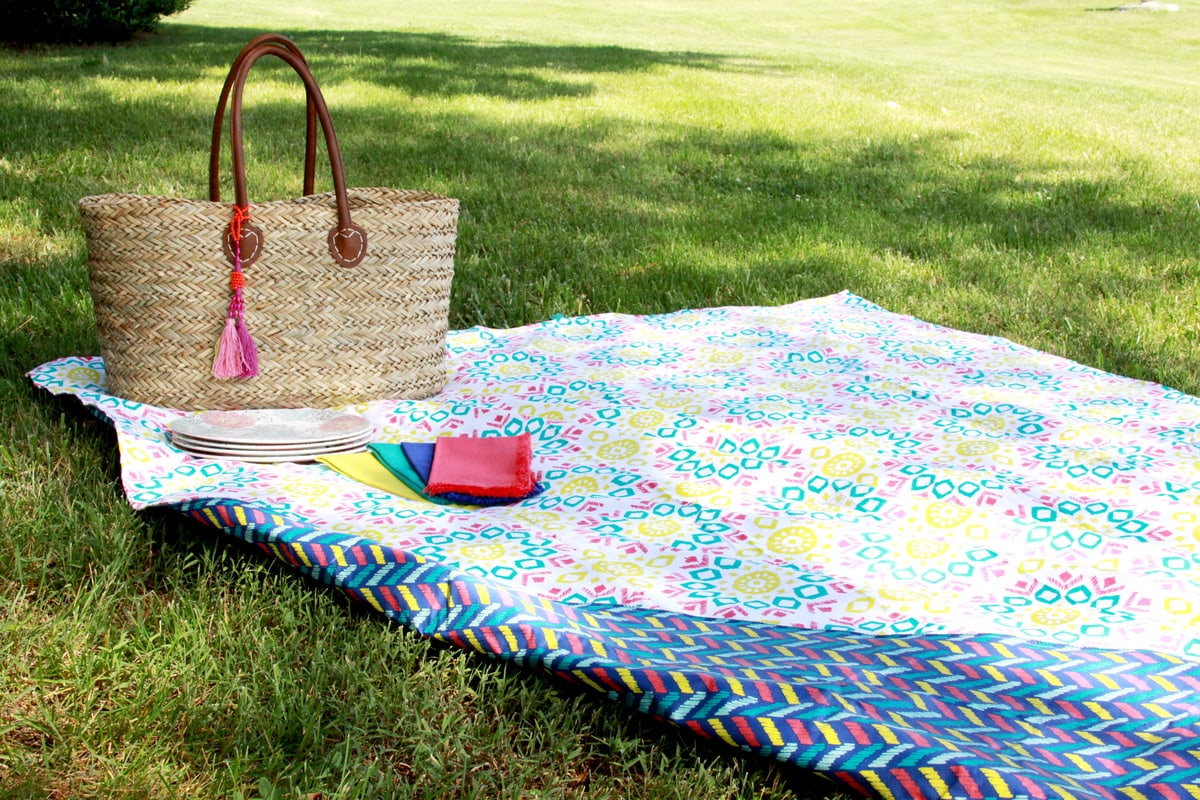
The picnic blanket, a seemingly simple item, has a rich history and a versatile role in modern life. From its origins as a basic ground cover to its evolution into a stylish and functional outdoor accessory, the picnic blanket has come a long way. This article explores the history, materials, and various uses of this essential item for outdoor enjoyment.
A Brief History of the Picnic Blanket
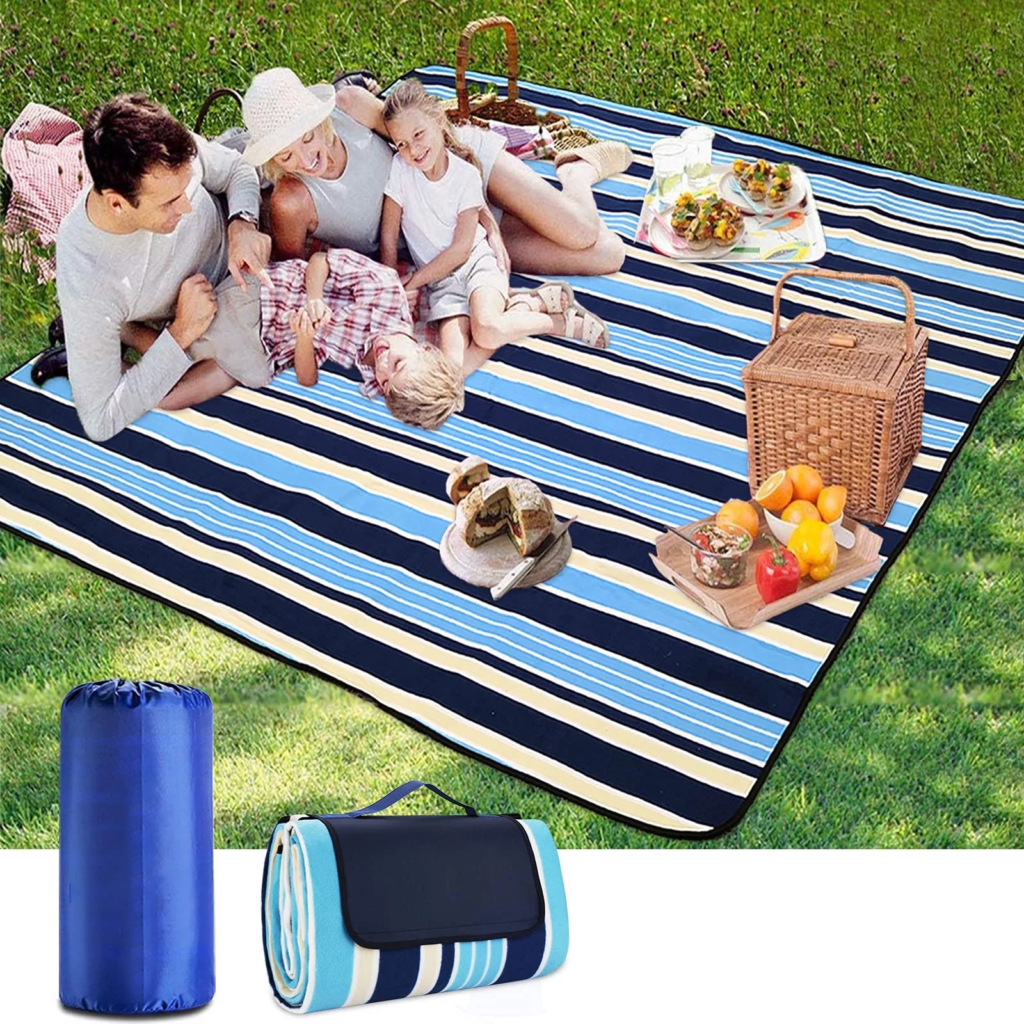
The concept of spreading a cloth on the ground for a meal dates back centuries. Early humans likely used animal skins or woven plant fibers for this purpose. As civilizations developed, so did the materials and styles of these ground coverings.
With the rise of leisure time in the 19th century, picnicking became a popular pastime. The picnic basket emerged as the quintessential accessory, often accompanied by a simple woolen or cotton blanket. These early picnic blankets were primarily functional, providing a soft surface to sit on and protect clothes from grass stains.
The Modern Picnic Blanket
Today’s picnic blankets are far more sophisticated. They come in a wide range of materials, sizes, and styles to suit various outdoor activities and preferences.
Materials:
Waterproof materials: These include nylon, polyester, and polyurethane-coated fabrics. They are perfect for beach outings or unpredictable weather.
Wool: Offers warmth and insulation, making it suitable for cooler temperatures.
Fleece: Provides softness and warmth, but may not be as durable as other materials.
Features:
Waterproof coating: Protects against moisture and sand.
Sandproof backing: Prevents sand from sticking to the blanket.
Insulation: Keeps warm on chilly days.
Carry handles or straps: For easy transportation.
Pockets or pouches: For storing small items.
Beyond the Picnic: Versatile Uses
While the picnic blanket is primarily associated with outdoor dining, its uses extend far beyond.
Beach days: A must-have for soaking up the sun and enjoying the sand.
Camping: Provides a comfortable sleeping surface or a ground cover for tents.
Outdoor concerts and festivals: Offers a cozy spot to relax and enjoy the music.
Yoga and exercise: Provides a clean and soft surface for practicing yoga or other outdoor workouts.
Photography backdrop: Creates a natural and visually appealing background for photoshoots.
Choosing the Perfect Picnic Blanket
Selecting the right picnic blanket depends on your specific needs and preferences. Consider the following factors:
Size: Choose a blanket large enough to accommodate your group and belongings.
Material: Select a material that suits the weather conditions and activity.
Features: Consider additional features like waterproof coating, sandproof backing, or carrying handles.
Style: Choose a design that reflects your personal taste.
Picnic Blanket Etiquette
To ensure a pleasant experience for everyone, follow these picnic blanket etiquette tips:
Respect the environment: Avoid damaging vegetation or wildlife.
Be considerate of others: Maintain a reasonable distance from other picnickers.
Pack out what you pack in: Bring a trash bag to collect any litter.
The picnic blanket is more than just a piece of cloth; it’s a symbol of relaxation, enjoyment, and connection with nature. By understanding its history, materials, and versatile uses, you can fully appreciate this essential outdoor accessory.
FAQs
What is a Picnic Blanket?
A picnic blanket is a large, portable cloth or mat typically used for outdoor gatherings like picnics, beach days, or camping. It provides a comfortable and clean surface to sit or lie down on.
What are the different types of picnic blankets?
There are several types of picnic blankets to suit different needs and preferences:
Waterproof picnic blankets: These are ideal for grassy or damp surfaces and often feature a waterproof backing.
Sandproof picnic blankets: Designed to resist sand, these are perfect for beach outings.
Insulated picnic blankets: These offer extra warmth and comfort, especially for cooler weather.
Oversized picnic blankets: Perfect for larger groups or those who prefer extra space.
Compact picnic blankets: These fold up small for easy carrying and storage.
What materials are picnic blankets made from?
Picnic blankets are typically made from a variety of materials, including:
Cotton: Soft and comfortable, but not waterproof.
Polyester: Durable, water-resistant, and quick-drying.
Nylon: Lightweight, strong, and often used for compact blankets.
Wool: Warm and insulating, but heavier and less portable.
How do I choose the right picnic blanket?
When selecting a picnic blanket, consider the following factors:
Size: Choose a blanket that accommodates your group and desired activities.
Material: Select a material that suits your needs based on weather conditions and desired comfort.
Features: Look for features like waterproofness, sand resistance, insulation, or built-in storage pockets.
Portability: Consider how easy the blanket is to carry and store.
How do I care for my picnic blanket?
Care instructions vary depending on the material. Generally, follow these tips:
Check the care label: Always refer to the specific care instructions on the blanket.
Spot clean: For minor stains, spot clean with a mild detergent and water.
Machine wash: Some blankets are machine-washable. Use a gentle cycle and cold water.
Air dry: Avoid using high heat to dry your picnic blanket.
Can I use a picnic blanket for camping?
Absolutely! Many picnic blankets are suitable for camping, especially those with waterproof or insulated features. Just make sure to choose a size and material appropriate for your camping needs.
Can I use a picnic blanket as a beach blanket?
Yes, you can use a picnic blanket as a beach blanket. However, it’s best to choose a sandproof or waterproof option to protect your blanket and belongings.
How do I pack a picnic blanket?
To pack your picnic blanket, fold it neatly or roll it up to save space. Some blankets come with built-in carrying straps or pouches for easy transport.
Where can I buy a picnic blanket?
Picnic blankets are available at various retailers, including:
Outdoor stores: REI, L.L.Bean, and other outdoor retailers often carry a selection of picnic blankets.
Department stores: Macy’s, Target, and Walmart offer a variety of picnic blanket options.
Online retailers: Amazon, Etsy, and other online platforms have a wide range of picnic blankets to choose from.
Additional Tips:
Consider bringing a picnic blanket spray to repel insects and stains.
Pack a picnic blanket clip or stakes to secure your blanket in windy conditions.
Layer your picnic blanket with a waterproof groundsheet for extra protection.
By carefully considering your needs and preferences, you can find the perfect picnic blanket to enhance your outdoor adventures.
To read more; click here