
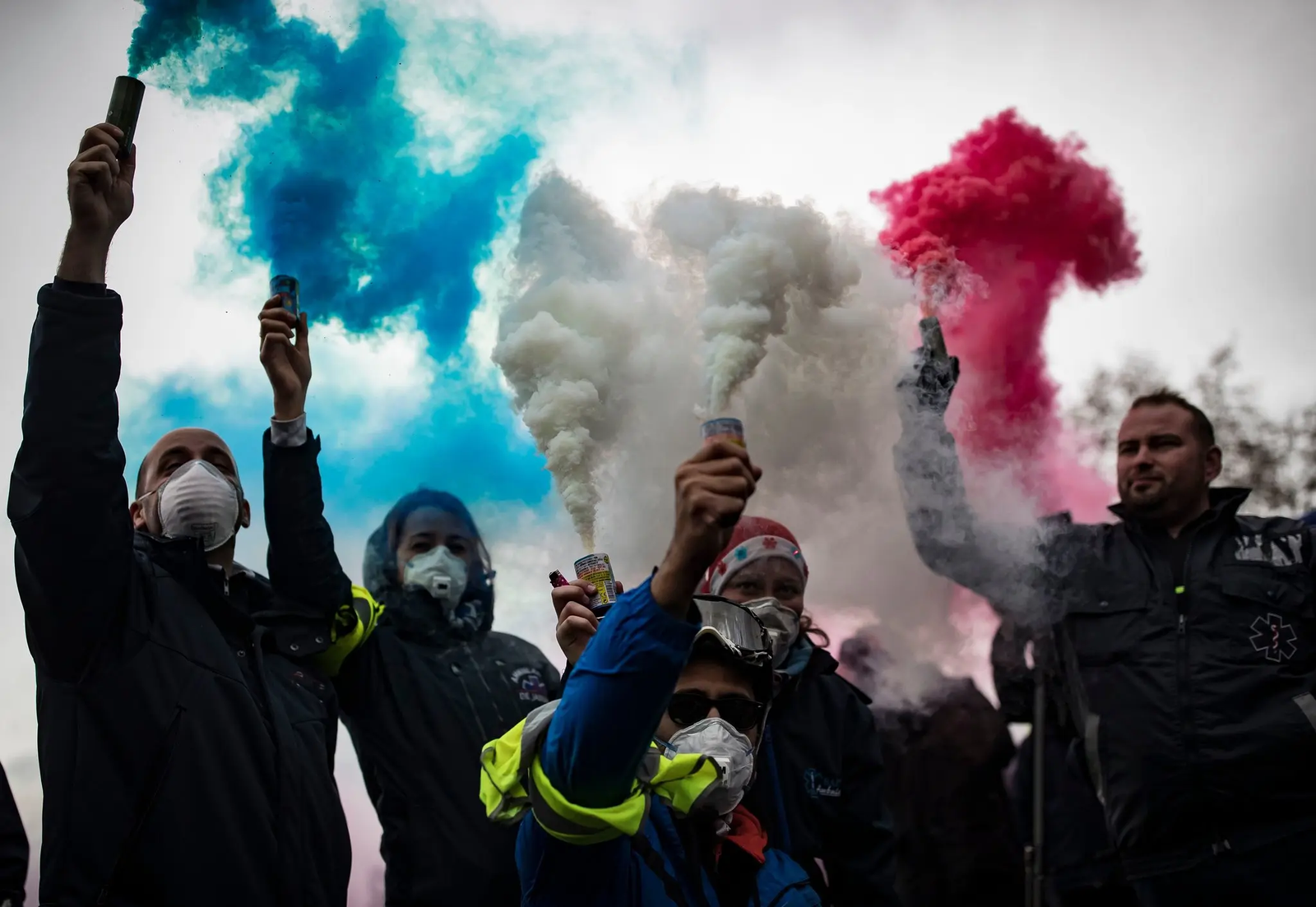
The summer of 2023 witnessed a surge of unprecedented violence in France, with Paris at the epicenter of widespread riots. Triggered by the fatal shooting of a teenage boy by a police officer, the unrest quickly escalated into a nationwide crisis, raising profound questions about social inequality, police brutality, and the state of French society. This article delves into the causes, events, and aftermath of the Paris rioting, examining their impact on France and the world.
The Spark: The Killing of Nahel Merzouk
The catalyst for the unrest was the tragic death of Nahel Merzouk, a 17-year-old of Algerian descent, on June 27, 2023. During a routine traffic stop in the Paris suburb of Nanterre, a confrontation ensued between Merzouk and two police officers. A video of the incident, which went viral, showed one of the officers shooting Merzouk at close range as he attempted to drive away. The fatal shooting sparked immediate outrage and protests in Nanterre, quickly spreading to other parts of Paris and beyond.
The Outburst: A Nation in Turmoil
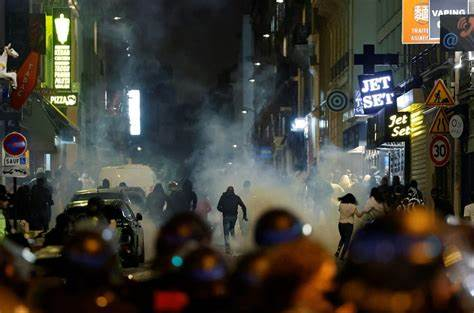
The initial protests over Merzouk’s death rapidly transformed into widespread riots and acts of civil disobedience. Night after night, French cities were engulfed in flames as rioters clashed with police, torched cars, vandalized buildings, and looted shops. The violence was particularly intense in deprived suburban areas, known as banlieues, where tensions between marginalized communities and law enforcement have long been simmering.
The rioters, predominantly young and often from immigrant backgrounds, expressed their anger and frustration over systemic issues such as police brutality, racial discrimination, and economic inequality. The riots became a powerful symbol of the deep-rooted social and political divisions within French society.
The Government’s Response: A Balancing Act
The French government faced immense pressure to restore order while addressing the underlying causes of the unrest. President Emmanuel Macron condemned the violence and deployed thousands of police officers to quell the disturbances. A state of emergency was imposed in several regions, granting authorities increased powers to search homes and detain suspects.
At the same time, the government acknowledged the legitimate grievances of the protesters and promised to address issues of police reform and social justice. Macron announced a series of measures aimed at improving living conditions in disadvantaged neighborhoods, including investments in education, employment, and housing.
The Aftermath: A Nation Divided
The Paris riots left a deep scar on French society. The violence caused significant damage to property and infrastructure, and the psychological impact on residents and businesses was immense. The riots also exposed the deep-rooted social and economic disparities within France, highlighting the challenges faced by marginalized communities.
The aftermath of the riots has been marked by a complex and often contradictory narrative. While some view the unrest as a necessary wake-up call for the government to address long-standing problems, others condemn the violence as a destructive force that achieved little. The debate over the root causes of the riots and the appropriate response continues to divide French society.
Lessons Learned and the Road Ahead
The Paris riots serve as a stark reminder of the challenges faced by many Western countries in addressing issues of inequality, social cohesion, and police accountability. The events highlighted the importance of finding peaceful and constructive ways to address grievances and promote social justice.
As France moves forward, it is crucial to implement the promised reforms and invest in long-term solutions to prevent similar crises from occurring in the future. Building trust between law enforcement and marginalized communities, addressing systemic inequalities, and promoting social inclusion are essential steps towards a more just and equitable society.
The Paris riots will undoubtedly be studied and analyzed for years to come. Their legacy will depend on how France responds to the challenges they have exposed and whether it can build a more united and inclusive future for all its citizens.
FAQs
Paris Riots: A Breakdown
The recent riots in Paris have sparked global attention. Let’s break down the key points.
What Triggered the Riots?
The immediate catalyst for the unrest was the fatal shooting of Nahel Merzouk, a 17-year-old boy, by a police officer in Nanterre, a suburb of Paris. A video of the incident went viral, igniting widespread anger and accusations of police brutality.
When Did the Riots Start?
The riots erupted on June 27, 2023, following the fatal shooting of Nahel Merzouk. The initial protests quickly escalated into widespread violence.
Where Did the Riots Take Place?
While the unrest was concentrated in Nanterre, the epicenter of the protests, it rapidly spread to other cities across France, including Marseille, Lyon, and Toulouse. Paris itself experienced significant disturbances.
What Happened During the Riots?
The riots involved widespread acts of vandalism, arson, and looting. Cars were burned, public buildings damaged, and businesses ransacked. Clashes between protesters and police were frequent, resulting in injuries on both sides.
Who Was Involved in the Riots?
The majority of those involved in the riots were young people from marginalized communities, expressing their frustration with systemic issues such as police brutality, inequality, and lack of opportunities. However, it’s important to note that not all protesters were involved in violence.
What Was the Government’s Response?
The French government deployed thousands of police officers to quell the unrest. Curfews were imposed in several cities, and emergency powers were activated. President Emmanuel Macron condemned the violence while acknowledging the underlying issues that contributed to the protests.
What Are the Long-Term Implications?
The riots have highlighted deep-rooted social and economic disparities in France. They have also raised questions about police practices and the relationship between law enforcement and minority communities. Addressing these issues will be crucial for preventing future outbreaks of violence.
How Can I Stay Informed?
To stay informed about the situation, follow reputable news sources such as:
BBC:
Opens in a new windowen.m.wikipedia.org
BBC News logo

CNN:
Opens in a new windowen.wikipedia.org
CNN News logo
The Guardian:
Opens in a new window1000logos.net
Guardian News logo
Le Monde:
Opens in a new windowen.m.wikipedia.org
Le Monde News logo

What Can I Do to Help?
While direct involvement might not be feasible, you can contribute by:
Educating yourself: Learn about the underlying issues that led to the riots.
Supporting relevant organizations: Donate to or volunteer with organizations working for social justice and equality.
Engaging in dialogue: Discuss the situation with others and promote understanding.
It’s essential to approach this topic with empathy and a willingness to listen to different perspectives. The riots in Paris serve as a stark reminder of the challenges faced by many communities around the world.
To Read More; click here