

knife crime uk in Hainault has Reignited Conversations About the UK’s Knife Crime Problem, Especially in the Capital.
Knife crime uk- The recent sword attack in Hainault, a suburb of London, has once again thrust the issue of knife crime into the national spotlight.
The incident, which saw a 17-year-old boy tragically lose his life, has sparked widespread shock and outrage, prompting renewed calls for action to address the escalating problem.
1. As Hainault attack victim is named, data shows knife crime on the rise | UK News
Knife Crime Increased by 7% in 2023
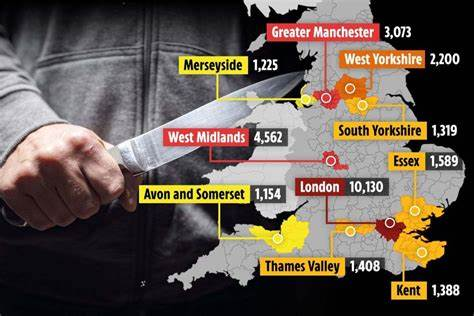
Official statistics released in 2023 revealed a disturbing trend: knife crime in England and Wales had increased by 7% compared to the previous year. This marked a significant rise and underscored the urgent need for comprehensive strategies to tackle the issue.
1. Knife crime increases by 7% in last year | The Ben Kinsella Trust
Why is This Happening?
The complex issue of knife crime has no single cause. A multitude of factors contribute to this societal problem, including:
Socioeconomic factors: Poverty, inequality, and lack of opportunities can create environments where young people are more likely to turn to crime.
Gang violence: The rivalry between gangs often escalates into violence, with knives becoming a weapon of choice.
Drug trade: The illicit drug trade is closely linked to knife crime, as disputes over territory and drug debts often lead to violent confrontations.
1. Drug trafficking – National Crime Agency
www.nationalcrimeagency.gov.uk
Drill music: Some argue that the lyrics in drill music glorify violence and create a culture that normalizes knife crime.
1. Is drill music chronicling violence or exploiting it? – Harvard Gazette
Lack of youth services: Cuts to youth services and limited opportunities for young people can contribute to feelings of alienation and disengagement.
Social media: The role of social media in fueling violence and gang culture is a subject of ongoing debate.
Where is Knife Crime Happening the Most?
London continues to be the epicenter of knife crime in the UK. The Metropolitan Police record a disproportionate number of knife-related offenses compared to other regions. However, the problem is not confined to the capital; cities like Manchester, Birmingham, Liverpool, and Sheffield also grapple with significant levels of knife crime.
1. Solving the knife crime epidemic – YouTube
2. Is knife crime at record highs? | Youth Endowment Fund
Three in 10 Knife Crimes Were Recorded in London in 2023
The Metropolitan Police recorded a staggering one-third of all knife crimes in England and Wales in 2023. This concentration of violence in the capital highlights the urgent need for targeted interventions and prevention strategies.
1. Knife crime offences in England and Wales: Key figures
www.bromsgroveadvertiser.co.uk
What Weapons Are Being Used and Who’s Being Killed?
While knives are the most commonly used weapon in knife crime incidents, other sharp objects, such as swords and machetes, are also involved. The victims of knife crime are predominantly young men, with a disproportionate number from black and minority ethnic communities.
Young Men Are Most Likely to Be Stabbed to Death
Tragically, young men are the most likely victims of fatal knife crime. The loss of life at such a young age has a devastating impact on families and communities.
The Impact of Knife Crime
The consequences of knife crime extend far beyond the victims themselves. Families, friends, and communities are left to grapple with the aftermath of violence. The psychological trauma experienced by those affected can be long-lasting. Moreover, the fear of crime can erode the sense of safety and security within neighborhoods.
1. Knife Crime Awareness: What You Need to Know – Young Wrexham
Addressing the Knife Crime Epidemic
Tackling knife crime requires a multi-faceted approach that involves:
Prevention: Investing in early intervention programs, youth services, and education to address the root causes of violence.
Enforcement: Increased police presence and targeted operations to disrupt criminal activity and remove dangerous weapons from the streets.
Surveillance: The use of technology, such as CCTV and stop and search powers, can help to deter crime and gather evidence.
Education: Raising awareness about the dangers of knife crime through schools, community groups, and media campaigns.
Victim support: Providing support services for victims and their families to help them recover from the trauma.
Conclusion
Knife crime remains a pressing issue in the UK, with devastating consequences for individuals, families, and communities. While there have been efforts to address the problem, it is clear that more needs to be done. A comprehensive and coordinated approach involving government, police, community organizations, and individuals is essential to create a safer society for everyone.
By providing in-depth analysis, data-driven insights, and potential solutions, this article aims to contribute to the ongoing conversation about knife crime and inspire action to address this critical issue.

FAQs
The Problem of Knife Crime
Q: What is knife crime?
A: Knife crime is any crime involving a knife or sharp object. This includes carrying a knife, using a knife to threaten someone, or injuring or killing someone with a knife.
Q: How prevalent is knife crime in the UK?
A: Knife crime rates vary across the UK, with London often reported as having higher rates. While there have been fluctuations, overall, it remains a significant concern.
Q: Who is most affected by knife crime?
A: Knife crime disproportionately affects young people, with victims and offenders often under the age of 25. However, it can impact people of all ages and backgrounds.
Q: What are the causes of knife crime?
A: The causes of knife crime are complex and multifaceted. Factors include:
Gang-related violence
Youth unemployment and social deprivation
Lack of opportunities
Peer pressure
Mental health issues
Breakdown in family structures
The Impact of Knife Crime
Q: What is the impact of knife crime on victims and their families?
A: Knife crime has devastating consequences for victims and their families, including physical injuries, emotional trauma, and loss of life.
Q: What is the impact of knife crime on communities?
A: Knife crime can create fear and insecurity within communities, leading to a decline in quality of life and economic impact.
Prevention and Intervention
Q: What is being done to prevent knife crime?
A: Various strategies are being implemented to prevent knife crime, including:
Early intervention programs for young people
Youth clubs and community centers
Education and awareness campaigns
Increased police presence in high-risk areas
Tougher sentencing for knife crime offenders
Q: What can individuals do to help prevent knife crime?
A: Individuals can contribute by:
Talking to young people about the dangers of carrying knives
Supporting local community initiatives
Reporting suspicious activity to the police
Q: What support is available for victims of knife crime?
A: There are various organizations and support services available for victims of knife crime, providing emotional support, practical assistance, and legal advice.
The Role of Law Enforcement
Q: What is the role of the police in tackling knife crime?
A: The police play a crucial role in preventing and responding to knife crime through patrols, stop and search, and investigations.
Q: What is stop and search?
A: Stop and search is a police power that allows officers to search people and vehicles for weapons and other prohibited items. It is used as a tactic to deter and detect knife crime.
The Media and Knife Crime
Q: How does the media portray knife crime?
A: The media often plays a significant role in shaping public perception of knife crime. While it is essential to report on the issue, it’s important to avoid sensationalism and stereotypes.
Q: What is the impact of media coverage on knife crime?
A: Excessive or negative media coverage of knife crime can contribute to fear and stigma, potentially influencing young people’s behavior.
Additional Resources
The Ben Kinsella Trust:
Website: https://benkinsella.org.uk/
Crimestoppers:
Website: https://crimestoppers-uk.org/
It’s important to remember that knife crime is a complex issue with no easy solutions. A multi-faceted approach involving communities, government, and individuals is essential to address this problem effectively.
Would you like to know more about a specific aspect of knife crime?
To Read More; click here