
Food shortages uk- The spectre of food shortages has cast a long shadow over the United Kingdom in recent years.
A confluence of factors, from Brexit and the COVID-19 pandemic to climate change and geopolitical tensions, has disrupted the nation’s food supply chain, leaving consumers and policymakers grappling with the implications.
The Perfect Storm

The UK’s food security has been under increasing pressure. A complex interplay of factors has contributed to the situation. Brexit, with its new trade barriers and customs checks, has disrupted the flow of goods, particularly fresh produce, from the European continent. The COVID-19 pandemic exacerbated these challenges by disrupting supply chains, leading to labor shortages, and increasing demand for certain products.
Climate change has also played a significant role. Extreme weather events, such as droughts, floods, and heatwaves, have impacted crop yields and livestock production both domestically and globally. These disruptions have ripple effects on food availability and prices.
Moreover, the ongoing conflict in Ukraine, a major global exporter of wheat and other grains, has further strained the global food supply. The conflict has led to soaring commodity prices, impacting the cost of living for consumers and posing challenges for food businesses.
Empty Shelves and Rising Prices
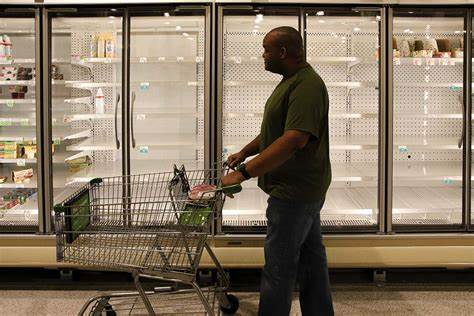
Consumers have felt the impact of these challenges firsthand. Empty shelves in supermarkets have become a recurring sight, with shortages of fresh produce, particularly tomatoes, cucumbers, and lettuce, making headlines. This has led to increased prices for. Critics argue that Brexit has weakened the UK’s food resilience, leaving the nation more vulnerable to supply chain disruptions. The government has defended its policies, emphasizing the need to adapt to new trading arrangements and invest in domestic food production.
The Road Ahead
Addressing food shortages in the UK requires a multifaceted approach. Increasing domestic food production is a key priority, but it will take time to bear fruit. Diversifying supply chains, reducing reliance on imports, and investing in sustainable agriculture are essential steps.
Moreover, reducing food waste and promoting sustainable consumption patterns can help mitigate the impact of supply chain disruptions. Consumers can play a role by being mindful of their food choices, avoiding waste, and supporting local producers.
The food industry itself needs to adapt to the new challenges. Investing in technology, improving logistics, and building resilience into supply chains are crucial. Collaboration between government, industry, and consumers will be essential to navigate the complexities of the food system.
The issue of food shortages is not confined to the UK. It is a global challenge with far-reaching implications for food security, economic stability, and social cohesion. As the world grapples with the effects of climate change, geopolitical tensions, and population growth, ensuring a sustainable and resilient food system will be a defining challenge of the 21st century.
While the situation remains challenging, there is hope that with concerted efforts, the UK can build a more resilient and sustainable food system.
FAQs
Food Shortages in the UK: A Comprehensive Overview
The Issue
Q: Are there food shortages in the UK?
A: While there haven’t been widespread food shortages, the UK has experienced supply chain disruptions and product availability issues in recent years. These challenges have been influenced by factors such as Brexit, the COVID-19 pandemic, labor shortages, and global supply chain complexities.
Q: What products are most affected by shortages?
A: The impact has varied, but some products, including certain fresh produce, particularly during peak seasons, have faced availability challenges. Additionally, there have been fluctuations in the supply of certain processed foods.
Causes of Shortages
Q: What caused the food supply issues in the UK?
A: A combination of factors contributed to the challenges. Brexit-related changes, such as increased customs checks and labor shortages, have impacted the food industry. The COVID-19 pandemic disrupted supply chains and workforce availability. Moreover, global factors like extreme weather events and geopolitical tensions have also played a role.
Q: Is Brexit to blame for food shortages?
A: While Brexit has undoubtedly introduced new complexities for the food industry, it’s essential to consider the broader context. Factors beyond Brexit have also contributed to the challenges.
Q: How have labor shortages affected food supply?
A: A shortage of workers in various sectors of the food industry, from farming to transportation, has impacted the supply chain. This has led to delays, reduced productivity, and increased costs.
Government Response
Q: What is the government doing about food shortages?
A: The UK government has taken steps to address the challenges, including investing in technology and automation, supporting the agriculture sector, and exploring alternative labor sources. The Seasonal Worker Visa scheme has been extended to provide additional labor for the food industry.
Q: Are there any long-term plans to prevent future shortages?
A: The government’s focus is on building a more resilient food supply chain. This involves improving infrastructure, supporting domestic production, and investing in research and development.
Consumer Impact
Q: How have food shortages affected consumers?
A: Consumers have experienced fluctuations in product availability, leading to changes in shopping habits and potentially higher prices. Some have resorted to alternative products or reduced consumption of certain items.
Q: Will food prices continue to rise?
A: Food prices have been influenced by various factors, including inflation and supply chain disruptions. While prices may stabilize, the overall cost of living continues to be a concern for many consumers.
Future Outlook
Q: Are food shortages likely to continue?
A: While the situation has improved in some areas, challenges remain. The food industry is working to adapt to new realities, and the government is implementing measures to build a more resilient system.
Q: What can consumers do to help?
A: Consumers can support sustainable food practices, reduce food waste, and be mindful of their consumption habits. Supporting local producers can also contribute to a more resilient food system.
It’s important to note that the food supply situation is dynamic, and improvements and challenges may arise. Staying informed about the latest developments is crucial for consumers and businesses alike.
Would you like to know more about specific food products or regions affected by shortages?
To Read More; click here