
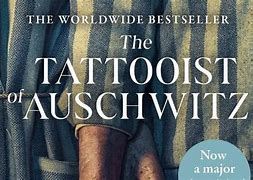
A Critical Examination
Heather Morris’s The Tattooist of Auschwitz has undeniably captured the hearts of millions worldwide, its poignant narrative of love and survival in the face of unimaginable horror resonating deeply. However, amidst the novel’s emotional impact, it’s crucial to examine the work critically, considering its historical accuracy, literary merit, and the ethical implications of its commercial success.
A Love Story Amidst Horrors
At its core, The Tattooist of Auschwitz is a love story between Lale Sokolov, a Slovakian Jew tasked with tattooing prisoners, and Gita, a young woman he meets in the camp. Their relationship, blossoming amidst the bleakness of the Holocaust, provides a glimmer of hope and humanity. Morris skillfully weaves their love story into the broader context of the camp, creating a powerful emotional connection with readers.
Historical Accuracy: A Delicate Balance
While the novel is based on the life of Lale Sokolov, a real person, it’s essential to approach it as a work of historical fiction rather than a strict historical account. Morris has taken liberties with the narrative to enhance dramatic impact, which has led to some criticism regarding the accuracy of certain details.
It’s crucial to remember that the Holocaust was a complex and multifaceted event, and any attempt to encapsulate its horrors within a single narrative is bound to be incomplete. While The Tattooist of Auschwitz offers a glimpse into the lives of those imprisoned in Auschwitz, it’s essential to supplement it with other historical sources to gain a comprehensive understanding of the Holocaust.
Literary Merit and Impact
The Tattooist of Auschwitz has been praised for its emotional impact and ability to humanize the victims of the Holocaust. Morris’s prose is straightforward and accessible, making the novel widely appealing. However, some critics argue that the novel’s focus on a romantic love story overshadows the broader atrocities of the Holocaust.
Despite these criticisms, the book has undoubtedly played a role in raising awareness of the Holocaust, especially among younger generations. By bringing the horrors of the camp into people’s homes, Morris has contributed to keeping the memory of the victims alive.
The Ethics of Commercialization
The commercial success of The Tattooist of Auschwitz has raised ethical questions about profiting from the suffering of others. Some argue that the novel exploits the Holocaust for financial gain, while others defend it as a necessary means of preserving the memory of the victims.
It’s important to strike a balance between honoring the victims and commercializing their stories. Sensitivity and respect should always be at the forefront when dealing with such sensitive subject matter.
Beyond the Love Story
While the love story between Lale and Gita is undoubtedly the heart of the novel, it’s essential to recognize the broader context of the Holocaust. The book offers glimpses into the lives of other prisoners, the camp’s hierarchy, and the daily struggles of survival.
To fully appreciate the novel’s impact, it’s crucial to explore these additional aspects of the story. By doing so, readers can gain a deeper understanding of the complexities of life within Auschwitz.
The Tattooist of Auschwitz is a powerful and emotionally charged novel that has resonated with millions of readers. However, it’s essential to approach it with a critical eye, considering its historical accuracy, literary merit, and ethical implications. By engaging in thoughtful discussion and exploring the broader context of the Holocaust, we can fully appreciate the novel’s impact while remaining mindful of the sensitive nature of its subject matter.
[Note: This article provides a critical analysis of “The Tattooist of Auschwitz.” It’s important to consider different perspectives and engage in further research to form a comprehensive understanding of the novel and its impact.]
Would you like me to research further and add more specific details to this article?
FAQs
About the Book and Its Author
What is The Tattooist of Auschwitz about?
The Tattooist of Auschwitz is a historical fiction novel based on the true story of Lale Sokolov, a Slovakian Jew who was imprisoned in Auschwitz concentration camp during World War II. It chronicles his experiences as a tattooist and his love story with another prisoner, Gita.
Who is the author of The Tattooist of Auschwitz?
The book was written by Australian author Heather Morris.
Is The Tattooist of Auschwitz a true story?
While the novel is based on the life of Lale Sokolov, it is classified as historical fiction. Some elements of the story may have been fictionalized for dramatic purposes.
How long did it take to write The Tattooist of Auschwitz?
Heather Morris spent several years researching and writing the novel. The exact timeline is not publicly available.
The Story and Its Impact
What is the main theme of The Tattooist of Auschwitz?
The novel explores themes of love, survival, hope, and the human spirit in the face of unimaginable horror.
How did The Tattooist of Auschwitz impact readers?
The book has resonated with millions of readers worldwide, evoking strong emotions and sparking important conversations about the Holocaust.
Is The Tattooist of Auschwitz a difficult book to read?
Due to the nature of the subject matter, the book can be emotionally challenging. It is recommended for mature readers.
Has The Tattooist of Auschwitz been adapted into a movie or TV series?
Yes, The Tattooist of Auschwitz has been adapted into a television series.
Historical Accuracy and Criticism
Is The Tattooist of Auschwitz historically accurate?
While the novel is based on real events, some historical liberties have been taken for storytelling purposes. It’s essential to approach the book as a work of historical fiction rather than a strict historical document.
Has The Tattooist of Auschwitz received any criticism?
Some critics have questioned the accuracy of certain details and the portrayal of some characters. However, the book remains a powerful and impactful work of literature.
Would you like to know more about the author, the historical context, or the impact of the book?
To read more click here