
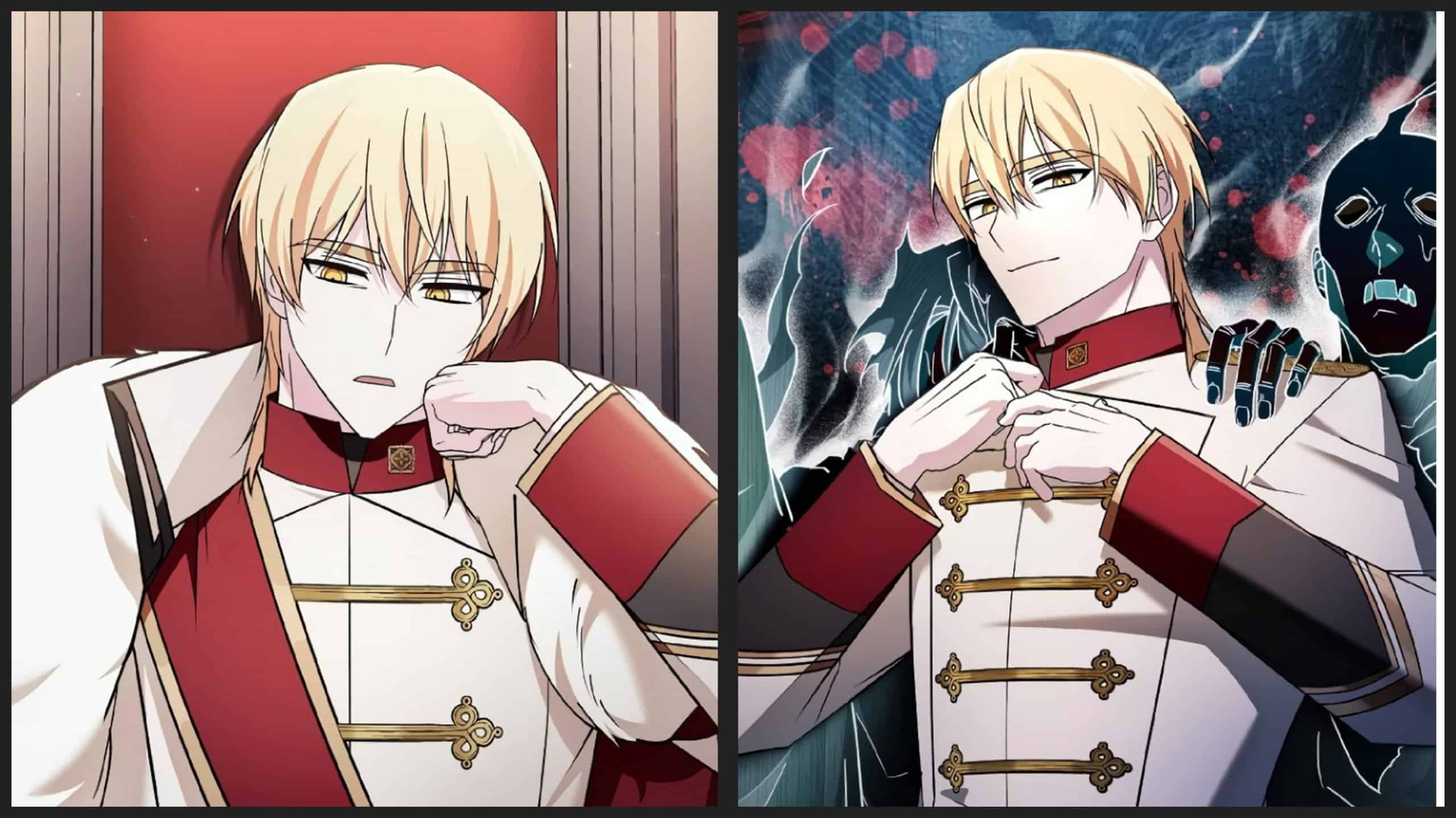
The manhwa, “I’m Not That Kind of Talent,” has rapidly gained traction, captivating readers with its unique blend of comedy, action, and fantasy. At its core, the story revolves around Deon Hardt, a seemingly frail and sickly individual who is mistakenly hailed as the formidable Demon Arut, the notorious commander of the demon army. This intriguing premise sets the stage for a narrative that subverts expectations and delivers a refreshing take on the genre.
The Unlikely Hero

Deon Hardt, the protagonist, is a stark contrast to the imposing figure he is perceived to be. Afflicted with a delicate constitution, he struggles with everyday tasks that most would consider trivial. His inability to withstand even minor physical exertion is a constant source of frustration and humor. This stark disparity between his outward appearance and his true capabilities forms the bedrock of the story’s comedic elements.
Despite his physical limitations, Deon possesses an extraordinary intellect and a keen strategic mind. These qualities, often overlooked due to his frail appearance, become instrumental in his survival and eventual rise to prominence within the demon army. The narrative deftly explores the concept of talent, suggesting that strength and power can manifest in various forms, and that intelligence and wit can be just as formidable as brute force.
A World of Deception
The world of “I’m Not That Kind of Talent” is a complex tapestry of deceit and intrigue. The demon army, under the false pretense of Deon’s invincibility, has become a formidable force to be reckoned with. However, the facade of power is starting to crumble as the truth about Deon’s true nature slowly emerges.
The story delves into the psychological impact of deception on both Deon and those around him. As the protagonist grapples with the weight of his false identity, he is forced to confront his own insecurities and limitations. Simultaneously, the demon army’s reliance on a fabricated image of strength creates a precarious situation, ripe with potential for dramatic conflict.
Themes of Identity and Self-Worth
Beyond its comedic and action-packed elements, “I’m Not That Kind of Talent” explores profound themes of identity and self-worth. Deon’s journey serves as a metaphor for the challenges faced by individuals who feel inadequate or misunderstood. The story encourages readers to question societal expectations and to embrace their unique strengths, regardless of how unconventional they may seem.
The manhwa also touches upon the importance of self-acceptance. As Deon gradually comes to terms with his true self, he learns to appreciate his own limitations while also discovering hidden depths of courage and resilience. His character arc is a testament to the idea that true strength lies not in physical prowess but in the ability to overcome adversity and embrace one’s authentic self.
A Unique Blend of Genres
“I’m Not That Kind of Talent” successfully merges elements of comedy, action, and fantasy to create a captivating and engaging narrative. The juxtaposition of humor and high-stakes action keeps readers entertained while also providing opportunities for character development and thematic exploration.
The fantasy world is meticulously crafted, with its own set of rules and lore. The introduction of mythical creatures and supernatural abilities adds depth and richness to the story. However, the focus remains on the characters and their personal journeys, preventing the world-building from overshadowing the human element.
Conclusion
“I’m Not That Kind of Talent” is more than just a comedic manhwa. It is a thought-provoking exploration of identity, self-worth, and the unconventional paths to success. By subverting expectations and presenting a complex and relatable protagonist, the story resonates with readers on multiple levels. As the narrative continues to unfold, fans eagerly anticipate the further development of Deon’s character and the unfolding consequences of his carefully constructed deception.
With its unique blend of humor, action, and fantasy, “I’m Not That Kind of Talent” has captured the hearts of readers worldwide, proving that even the most unlikely heroes By incorporating these elements, you can create a comprehensive and engaging article that caters to both casual readers and dedicated fans of the manhwa.

FAQs
Understanding the Phrase
Q: What does “I’m not that kind of talent” mean?
A: The phrase “I’m not that kind of talent” is typically used to humorously or politely decline a request or offer that implies a certain type of skill or ability that the speaker doesn’t possess. It’s a lighthearted way to say “no, thank you” without being rude.
Q: In what context is this phrase commonly used?
A: This phrase is often used in response to requests for:
Sexual favors
Illegal activities
Tasks requiring specific skills or expertise that the speaker lacks
Q: Is there a similar phrase or expression?
A: Yes, there are several similar phrases, such as:
“That’s not my area of expertise.”
“I’m not cut out for that.”
“I’m not the right person for the job.”
Usage Examples
Q: Can you give an example of how to use this phrase?
A: Here’s an example:
Friend: “Can you help me hack into this website?”
You: “I’m not that kind of talent.”
Q: How can I use this phrase in a polite but firm way?
A: To maintain politeness, you can add a smile or a friendly tone to your voice when saying the phrase. For instance:
“I’m not that kind of talent, but I can help you with…” (suggest an alternative)
Cultural and Social Implications
Q: Does the phrase have any cultural connotations?
A: While the phrase itself doesn’t have strong cultural connotations, the context in which it’s used can. For instance, in some cultures, directly declining a request can be seen as impolite, so using humor or indirect language might be preferred.
Q: Is there a gender difference in using this phrase?
A: Traditionally, women might be more likely to use this phrase to decline inappropriate requests, but this is becoming less of a gender stereotype. Both men and women can use this phrase effectively.
Humor and Popular Culture
Q: Has this phrase been used in movies or TV shows?
A: While the exact phrase might not be common, similar expressions have been used in various media to create humorous or awkward situations.
Q: Can this phrase be used in a humorous way?
A: Absolutely! Using the phrase with a playful or exaggerated tone can create a humorous effect, especially in casual settings.
Additional Tips
Q: How can I respond to someone who uses this phrase?
A: If someone uses this phrase to decline your request, it’s important to respect their decision. You can respond with understanding, like “No problem, thanks anyway,” or suggest an alternative if applicable.
Q: Are there any alternatives to using this phrase?
A: Depending on the situation, you might consider being more direct or assertive. However, in many cases, “I’m not that kind of talent” is a polite and effective way to decline.
Remember: The key to using this phrase effectively is to maintain a polite and respectful tone. It’s a tool for communication, not a weapon.
To Read More; click here