
A Flavorful Controversy
The Smoky Flavor Under Fire
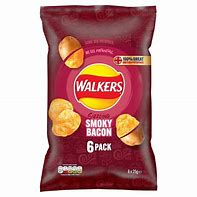
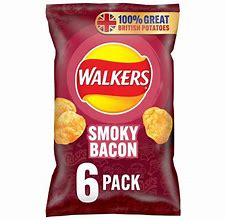
The seemingly innocuous smoky bacon flavor, a beloved addition to a range of products from crisps to hams, has found itself at the center of a significant controversy. The European Union (EU) has proposed a ban on the use of certain chemicals used to create this flavor, sending shockwaves through the food industry and the hearts of countless consumers.

The Science Behind the Ban
The decision to ban the use of certain chemicals in smoky bacon flavoring stems from concerns raised by the European Food Safety Authority (EFSA). Extensive research conducted by EFSA revealed potential health risks associated with these chemicals, including genotoxicity, which refers to the ability of substances to damage genetic material. While the levels of these chemicals found in food are generally low, the precautionary principle led to the proposal of a ban.
Industry Impact and Consumer Backlash
The potential ban on smoky bacon flavoring has sparked widespread concern among food manufacturers and consumers alike. The food industry faces the challenge of reformulating products to maintain the beloved smoky taste while adhering to new regulations. This process is time-consuming and costly, and it remains uncertain whether alternative flavorings can truly replicate the desired taste.
Consumers, on the other hand, have expressed disappointment and frustration at the prospect of losing their favorite smoky flavored snacks and foods. Social media has been abuzz with discussions and debates about the ban, with many people questioning the necessity of such a drastic measure.
The Search for Alternatives
Food manufacturers are now racing against time to find suitable alternatives to the banned chemicals. This involves extensive research and development efforts to identify and test new flavoring compounds. Some companies may explore the use of natural smoke flavorings or other innovative techniques to recreate the smoky taste.
However, it is important to note that finding a perfect substitute might be challenging, as the unique combination of chemicals in the banned flavorings has contributed to its distinctive taste.
Consumer Behavior and Market Adjustments
The smoky bacon flavor ban is likely to lead to changes in consumer behavior. Some consumers may opt for alternative products, while others may simply reduce their consumption of smoky flavored foods. This shift in consumer preferences could have significant implications for the food industry, forcing manufacturers to adapt their product offerings accordingly.
Additionally, the ban could create opportunities for smaller food producers who can develop innovative and appealing smoky flavor alternatives. This could lead to increased competition and a wider range of choices for consumers in the long run.
The Broader Implications
Beyond the food industry, the smoky bacon flavor ban raises broader questions about food safety regulations and the role of precautionary principles. While it is essential to protect public health, there is also a need to balance this with the potential economic and social impacts of such measures.
The ban has sparked discussions about the appropriate level of risk assessment and the role of consumers in making informed choices about their diet. It also highlights the challenges faced by regulators in balancing scientific evidence with public opinion.
The Future of Smoky Flavor
The outcome of the smoky bacon flavor ban remains uncertain. While the proposed regulations are expected to be implemented in the coming years, the food industry and consumers will continue to adapt and evolve.
It is possible that the ban could lead to the development of new and exciting flavor profiles, expanding the range of taste experiences available to consumers. However, the loss of the iconic smoky bacon flavor is undoubtedly a disappointment for many.
By incorporating these elements and following the outlined structure, you can create a comprehensive and informative article that explores the various aspects of the smoky bacon flavor ban.
Would you like to focus on a specific aspect of the smoky bacon flavor ban, such as its impact on the economy or the potential health benefits of the ban?
FAQS
There seems to be a misunderstanding.
There is no official ban on smoky bacon crisps worldwide.
The confusion likely stems from a recent European Union (EU) proposal to restrict the use of certain artificial smoke flavorings in food due to potential health concerns. These flavorings are used in a variety of products, including smoky bacon crisps.
Here’s what we know:
What is the issue with smoky bacon crisps?
Not the crisps themselves
The issue lies with certain artificial smoke flavorings used to create the smoky taste.
Potential health concerns
These flavorings have been linked to potential genotoxicity, which means they could damage DNA and increase cancer risk.
Is there a complete ban on smoky bacon crisps?
No. There is no worldwide ban on smoky bacon crisps.
EU proposal: The European Union is considering restrictions on specific artificial smoke flavorings, which could impact the taste of some smoky bacon crisps.
When will the ban happen?
No confirmed date. The EU proposal is still under review. Any potential restrictions would likely take time to implement.
Will this affect smoky bacon crisps in other countries?
Unlikely. The proposed restrictions are specific to the EU. Other countries have their own food safety regulations.
Are there alternatives to smoky bacon crisps?
Yes. Many crisp manufacturers offer a variety of flavors, including other bacon-flavored options that may not be affected by the potential EU restrictions.
It’s important to note that this is a developing situation. Food regulations can be complex, and information may change. Always rely on official sources for the latest updates.
Would you like to know more about the specific artificial smoke flavorings in question or the EU’s regulatory process?
To read more click here