
Introduction
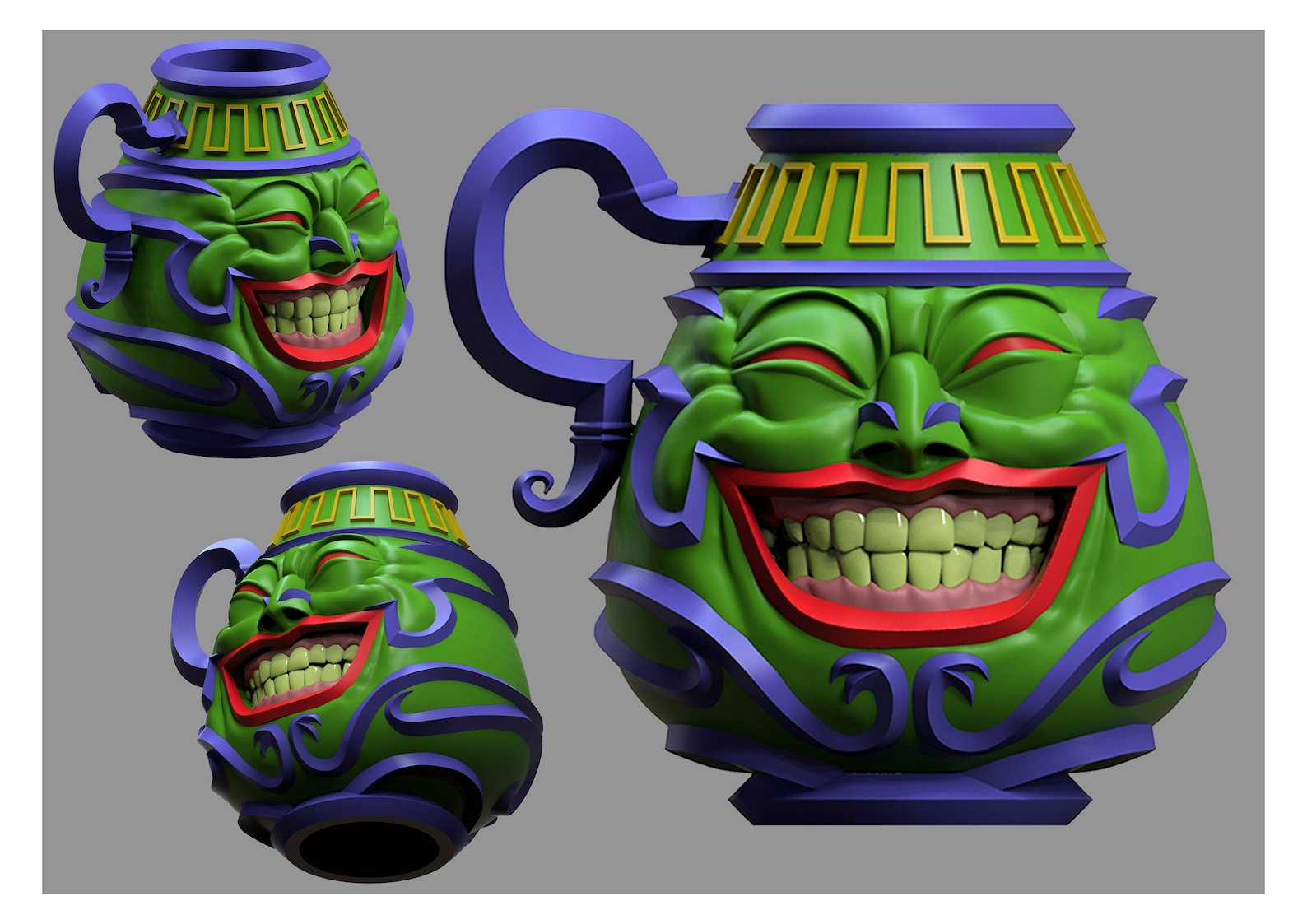
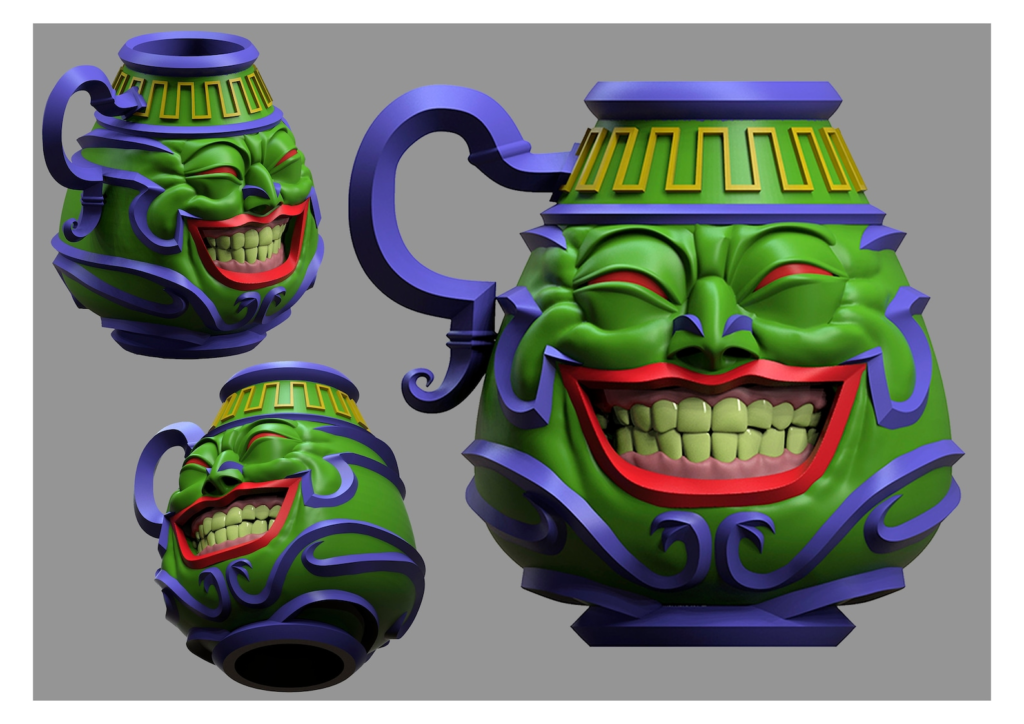
Pot of greed- The Yu-Gi-Oh! Trading Card Game is a complex ecosystem where even the simplest of cards can have a seismic impact. Perhaps no card better exemplifies this than “Pot of Greed.” On the surface, its effect is deceptively simple: draw two cards. However, the implications of this seemingly innocuous ability have shaped the game’s meta-game and philosophy in profound ways.

Pot of Greed’s power lies in its efficiency. By drawing two cards for the cost of one, it offers an unparalleled advantage in card economy. In a game where resource management is paramount, this extra card can be the difference between victory and defeat. Its impact was so significant that it became a staple in nearly every deck, dominating the game’s competitive scene.
However, this dominance came at a cost. The game’s strategic depth suffered as players relied heavily on Pot of Greed, leading to repetitive and predictable gameplay. Recognizing this, the game’s governing body, Konami, eventually placed the card on the Forbidden List, effectively banning it from competitive play.
The ban of Pot of Greed sent shockwaves through the Yu-Gi-Oh! community. While many players lamented the loss of such a powerful tool, others saw it as an opportunity for the game to evolve. In the years since, the card game has introduced a variety of draw power options, each with its own strengths and limitations. This diversity has enriched the meta-game, forcing players to adapt and develop new strategies.
Pot of Greed remains a controversial figure in Yu-Gi-Oh! lore. Its legacy serves as a cautionary tale about the dangers of unchecked card power while also highlighting the game’s ability to adapt and thrive in the face of change.
The Mechanics of Dominance
At its core, Pot of Greed’s mechanics are deceptively simple. By allowing a player to draw two cards, it offers a significant advantage in terms of card advantage. This increased accessibility to resources can lead to accelerated combo plays, improved hand consistency, and a greater ability to respond to opponents’ strategies.
The Impact on Gameplay
The inclusion of Pot of Greed in a deck fundamentally altered the dynamics of a duel. Its ability to provide a consistent influx of cards often tilted the balance of power in favor of the player who drew it. This dominance led to a meta-game heavily reliant on the card, stifling deck diversity and promoting a more homogenous playing field.
The Banishment and Its Aftermath
Recognizing the card’s disproportionate impact, Konami, the game’s developer, took the controversial step of banning Pot of Greed. This decision was met with both applause and outcry from the community. While many players agreed that the card’s presence hindered the game’s overall health, others argued that it was an integral part of the Yu-Gi-Oh! experience.
The ban marked a turning point for the game. It forced deck builders to explore alternative strategies and rely on different card effects to achieve card advantage. This shift led to the introduction of cards like “Pot of Duality” and “Terraforming,” which offered similar benefits while introducing additional complexities and risks.
The Enduring Legacy
Despite its removal from the game, Pot of Greed’s influence persists. Its impact on the game’s design philosophy is undeniable, shaping the development of subsequent card sets. The card serves as a benchmark for evaluating the power level of new cards, and its legacy continues to be a subject of discussion among the Yu-Gi-Oh! community.
Psychological Implications
Beyond its in-game mechanics, Pot of Greed also had a significant psychological impact on players. The card’s ability to provide a sense of control and consistency created a strong emotional connection. Drawing Pot of Greed often elicited feelings of excitement and anticipation, while its absence could be demoralizing.
The Future of Pot of Greed
The possibility of Pot of Greed’s return to the game is a topic of perennial debate. While some argue that the current card pool is sufficiently diverse to accommodate the card, others believe that its reintroduction would disrupt the delicate balance of the game.
Ultimately, the decision to unban Pot of Greed lies with Konami. However, it is clear that the card’s legacy will continue to shape the future of Yu-Gi-Oh! for years to come.
Conclusion
Pot of Greed is more than just a powerful card; it is a cultural touchstone that has left an indelible mark on the Yu-Gi-Oh! Trading Card Game. Its impact on gameplay, deck building, and player psychology is undeniable. While its ban was a necessary step to ensure the game’s long-term health, the card’s legacy will continue to be a subject of fascination and debate among players for generations to come.
FAQs
The Card’s Effect
Q: What does Pot of Greed do?
A: Pot of Greed is a simple yet incredibly effective card. When activated, it allows the player to draw two cards from their deck.
The Card’s Impact on the Game
Q: Why is Pot of Greed so powerful?
A: Pot of Greed’s power lies in its simplicity and consistency. By drawing two cards, players can significantly increase their chances of finding key cards for their strategy or disrupt their opponent’s plans.
Q: Why was Pot of Greed banned?
A: Due to its overwhelming power and potential to dominate the game, Pot of Greed was placed on the Forbidden List, meaning it cannot be used in any official Yu-Gi-Oh! tournaments.
Q: Has Pot of Greed ever returned to the game?
A: While Pot of Greed remains Forbidden in the TCG/OCG, Konami has released similar cards with modified effects to capture the spirit of the original without being as overpowered. Examples include Pot of Duality and Terraforming.
Player Opinions and Debates
Q: What do players think about Pot of Greed?
A: Opinions on Pot of Greed are divided. Many players believe it’s the best card ever printed, while others argue that it’s too powerful and unhealthy for the game.
Q: Should Pot of Greed ever be unbanned?
A: The debate about unbanning Pot of Greed continues. Some players believe that with the current card pool, Pot of Greed would not be as dominant as it once was, while others fear its return would lead to a meta dominated by a few overpowered decks.
Pot of Greed’s Legacy
Q: What is Pot of Greed’s legacy in Yu-Gi-Oh!?
A: Pot of Greed is a symbol of the game’s evolution. It represents the power of card draw and the constant struggle to balance power and fairness. The card has left an enduring impact on the Yu-Gi-Oh! community and continues to be a topic of discussion among players.
Q: Are there any similar cards to Pot of Greed?
A: While no card can perfectly replicate Pot of Greed’s effect, several cards offer similar benefits, such as Pot of Duality, Terraforming, and various draw-power-focused archetypes.
To Read More; click here