

A Flashback to the Groovy Past
Disco lights, synonymous with the vibrant and energetic dance culture of the 1970s, have made a remarkable resurgence in recent years. These dazzling light fixtures, characterized by their pulsating colors and hypnotic patterns, have transformed countless parties, clubs, and events into unforgettable experiences.
The Science Behind the Sparkle
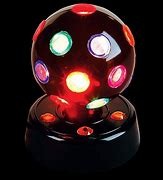
Disco lights utilize a combination of light sources, lenses, and mirrors to create mesmerizing visual effects. Traditional disco balls, adorned with reflective mirrors, disperse light in all directions, creating a shimmering, kaleidoscopic ambiance. Modern disco lights often incorporate LED technology, offering a wider range of colors, patterns, and effects.
Types of Disco Lights
The world of disco lights is diverse, catering to different preferences and event sizes. Here are some common types:
Disco Balls: The classic centerpiece of any disco party, disco balls disperse light in a dazzling array of patterns.
Strobe Lights: These lights create a rapid on-and-off effect, adding energy and excitement to the dance floor.
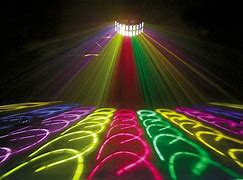
Laser Lights: Producing beams of colored light, laser lights can create stunning visual effects, often used in conjunction with other lighting elements.
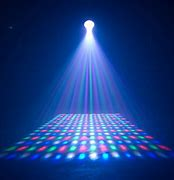
LED Par Lights: Versatile and energy-efficient, LED par lights offer a wide range of colors and effects, making them popular for both small and large-scale events.
Moving Head Lights: These lights can rotate and tilt, creating dynamic and eye-catching patterns.
Creating the Perfect Disco Atmosphere
To achieve the ultimate disco experience, consider the following factors:
Color Palette: Choose colors that complement the overall mood of the party. Classic disco colors like silver, gold, and purple are popular choices.
Lighting Placement: Position lights strategically to cover the dance floor and create visual impact.
Sound Synchronization: For an immersive experience, synchronize the lights with the music’s rhythm and beat.
Room Ambiance: Use black or dark curtains to enhance the visual impact of the lights.
Additional Elements: Consider adding other decorative elements like glitter, confetti, or reflective surfaces to amplify the disco atmosphere.
Disco Lights in Modern Culture
While disco lights are often associated with retro parties, they have found a new audience in contemporary culture. They are popular for home parties, weddings, and even corporate events. The ability to create a fun and energetic atmosphere has made disco lights a versatile lighting option.
Safety Considerations
When using disco lights, it’s essential to prioritize safety:
Electrical Safety: Ensure all connections are secure and avoid overloading electrical outlets.
Fire Safety: Keep lights away from flammable materials and use them in well-ventilated areas.
Eye Safety: Some laser lights can be harmful to the eyes. Use caution and follow manufacturer’s guidelines.
The Disco Light Legacy
Disco lights have evolved from simple, single-colored bulbs to sophisticated, multi-functional lighting systems. Their enduring popularity is a testament to their ability to create an unforgettable atmosphere and transport people to a world of rhythm and light. Whether it’s a nostalgic throwback or a modern-day celebration, disco lights continue to illuminate our lives with joy and excitement.
Would you like to explore the history of disco lights or discuss specific lighting techniques for different types of events?
FAQS
What are Disco Lights?
Disco lights are lighting fixtures designed to create a vibrant and exciting atmosphere, often associated with dance clubs and parties. They use various techniques, such as rotating mirrors, LED lights, and lasers, to project colorful patterns and beams of light.
Types of Disco Lights
Disco Balls: Classic spherical fixtures with mirrored surfaces that reflect light in multiple directions.
LED Par Lights: Versatile lights that offer a wide range of colors and effects.
Moving Head Lights: Can be controlled to move and change direction, creating dynamic patterns.
Strobe Lights: Flash rapidly to create a pulsating effect.
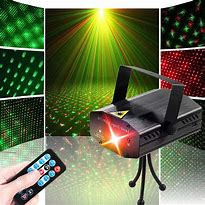
Laser Lights: Produce beams of colored light, often used for special effects.
How do Disco Lights Work?
Disco lights typically use a combination of light sources, lenses, and mirrors to project light patterns. The specific technology varies depending on the type of light.
Where to Use Disco Lights
Nightclubs and Bars: Create a vibrant and energetic atmosphere on the dance floor.
Home Parties: Add a festive touch to your celebrations.
Weddings and Events: Enhance the ambiance and create a memorable experience.
Live Performances: Add visual interest to concerts and stage shows.
How to Choose the Right Disco Lights
Venue Size: Consider the size of the space to determine the number and type of lights needed.
Desired Effect: Think about the atmosphere you want to create (e.g., energetic, relaxing, retro).
Budget: Set a budget to help narrow down your options.
Ease of Use: Consider the complexity of the controls and how easy the lights are to set up.
Safety Considerations
Electrical Safety: Ensure proper wiring and avoid overloading circuits.
Eye Safety: Some laser lights can be harmful to the eyes. Follow manufacturer’s guidelines and use caution.
Fire Safety: Keep lights away from flammable materials.
Popular Disco Light Brands
American DJ: Known for a wide range of affordable disco lights.
Chauvet Lighting: Offers professional-grade lighting solutions for various events.
ADJ Products: Provides a diverse selection of disco lights and effects.
Disco lights are a fun and affordable way to create a vibrant atmosphere. By carefully selecting the right lights and considering safety precautions, you can transform any space into a dazzling dance floor.
Would you like to know more about specific disco light effects or how to create a themed party with disco lighting?
To read more click here