
Rechargeable lights- In today’s world, where sustainability and energy efficiency are paramount, rechargeable lights have emerged as a popular and eco-friendly alternative to traditional lighting solutions. These versatile and convenient lights offer numerous benefits, from reducing energy consumption to providing reliable illumination in remote or power-outage-prone areas. This article will delve into the world of rechargeable lights, exploring their different types, benefits, and applications.
The Rise of Rechargeable Lights
Rechargeable lights have gained significant traction in recent years due to several factors:
Advancements in Battery Technology: The development of high-capacity, long-lasting rechargeable batteries has made it possible to power compact and efficient lights for extended periods.
Growing Environmental Consciousness: As concerns about climate change and resource depletion intensify, consumers are increasingly seeking sustainable and energy-efficient products.
Increased Portability and Convenience: Rechargeable lights are highly portable and can be easily carried anywhere, making them ideal for outdoor activities, emergencies, and remote locations.
Types of Rechargeable Lights
Rechargeable lights come in various forms, each with its own unique features and applications:
LED Flashlights: These are the most common type of rechargeable light, offering a powerful beam of light in a compact and portable design. They are often used for camping, hiking, and emergency preparedness.
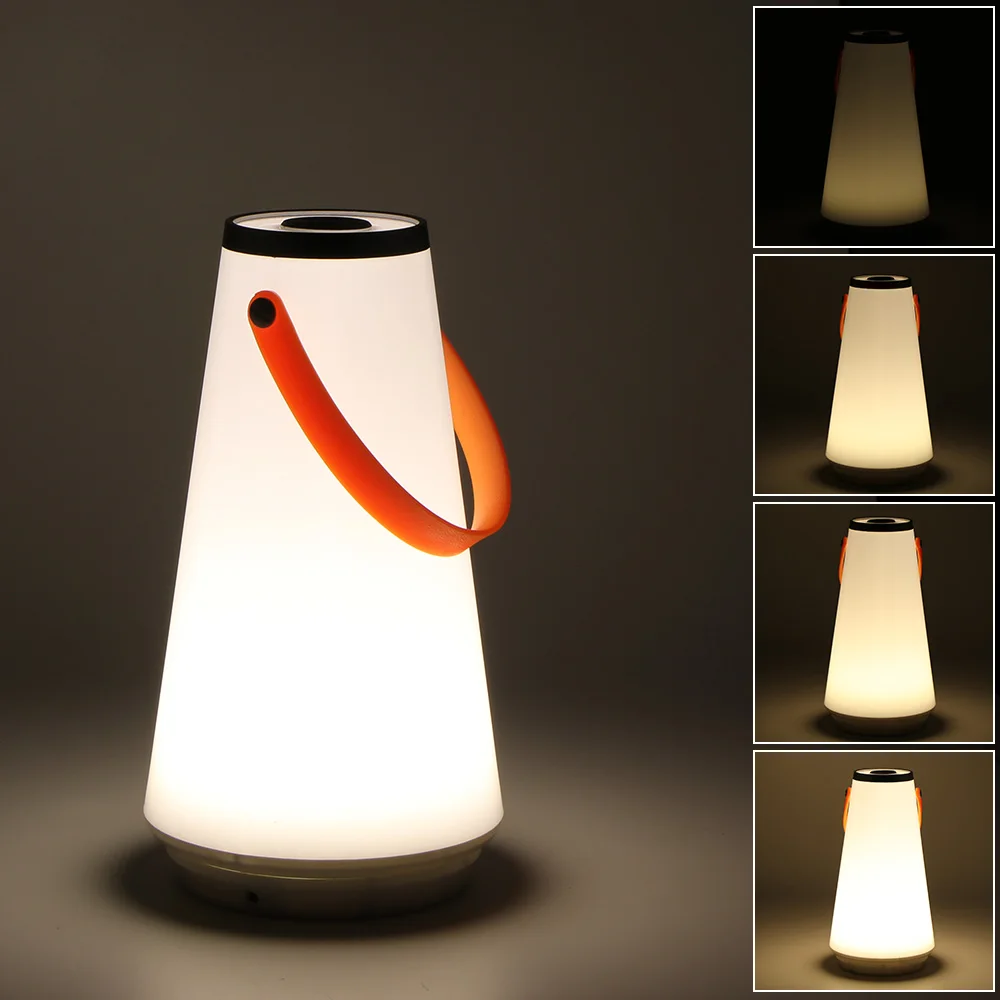
Lanterns: Rechargeable lanterns provide a wider and more diffused light, making them suitable for indoor and outdoor use. They are often used for camping, parties, and as emergency lighting.
Headlamps: Headlamps are hands-free lights that attach to a headband, providing illumination while keeping your hands free. They are popular for outdoor activities such as hiking, running, and camping.
Solar-Powered Lights: These lights utilize solar energy to charge their batteries, making them a sustainable and eco-friendly option. They are often used for outdoor lighting, such as garden lights and path lights.
Emergency Lights: Rechargeable emergency lights are designed to provide backup illumination during power outages. They can be installed in homes, businesses, and public spaces to ensure safety and security.
Benefits of Rechargeable Lights
Rechargeable lights offer numerous benefits, including:
Energy Efficiency: Compared to traditional incandescent and fluorescent bulbs, rechargeable lights consume significantly less energy, reducing electricity bills and environmental impact.
Cost-Effectiveness: While the initial cost of a rechargeable light may be higher than a disposable light, the long-term savings from reduced energy consumption and battery replacement costs make them a more cost-effective option.
Portability and Convenience: Rechargeable lights are highly portable and can be easily carried anywhere, making them ideal for outdoor activities, emergencies, and remote locations.
Sustainability: Many rechargeable lights are powered by renewable energy sources, such as solar power, making them a sustainable and eco-friendly choice.
Safety: Rechargeable lights are often equipped with safety features such as waterproof casings and impact resistance, making them suitable for harsh environments.
Applications of Rechargeable Lights
Rechargeable lights have a wide range of applications, including:
Outdoor Activities: Camping, hiking, fishing, and other outdoor activities often require reliable lighting, making rechargeable lights an essential tool.
Emergency Preparedness: Rechargeable lights can be used as backup power sources during power outages, providing essential illumination for safety and security.
Home and Garden: Rechargeable lights can be used for outdoor lighting, such as garden lights, path lights, and patio lights. They can also be used as indoor emergency lights or for task lighting.
Work and Industry: Rechargeable lights are used in various industries, including construction, maintenance, and emergency services.
Remote Areas: Rechargeable lights are ideal for remote areas where access to electricity is limited. They can be used for lighting homes, businesses, and public spaces.
Choosing the Right Rechargeable Light
When selecting a rechargeable light, consider the following factors:
Purpose: Determine the specific use case for the light, as this will influence the required features and specifications.
Brightness: The brightness of the light is measured in lumens. Choose a light with sufficient brightness for your needs.
Battery Life: The battery life of a rechargeable light depends on factors such as battery capacity, usage patterns, and charging frequency.
Charging Method: Consider whether you prefer to charge the light using a USB cable, solar power, or other methods.
Durability: Look for lights with durable construction and weather-resistant materials, especially if you plan to use them outdoors.
Features: Some rechargeable lights may have additional features such as multiple brightness settings, flashing modes, or built-in power banks.
The Future of Rechargeable Lights
As technology continues to advance, we can expect to see even more innovative and efficient rechargeable lights. Advances in battery technology, solar power, and LED lighting will likely lead to even smaller, brighter, and longer-lasting lights. Additionally, the increasing demand for sustainable and eco-friendly products will drive the development of new and improved rechargeable lighting solutions.
In conclusion, rechargeable lights have become an essential part of our modern lives, offering numerous benefits in terms of energy efficiency, portability, and sustainability. Whether you’re an outdoor enthusiast, a homeowner, or simply looking for a reliable backup power source, there is a rechargeable light to suit your needs. As technology continues to evolve, we can expect to see even more innovative and exciting options in the years to come.
FAQs
Types of Rechargeable Lights
Q: What are the different types of rechargeable lights?
A: Rechargeable lights come in various forms, including:
Solar-powered lights: These lights harness energy from the sun to recharge their batteries.
Battery-powered lights: These lights rely on rechargeable batteries, which can be charged using a USB cable or AC adapter.
Emergency lights: These lights are designed to provide backup lighting during power outages.
Portable camping lights: These lights are lightweight and portable, making them ideal for outdoor activities.
Benefits of Rechargeable Lights
Q: What are the advantages of using rechargeable lights?
A: Rechargeable lights offer several benefits, including:
Energy efficiency: They consume less energy compared to traditional incandescent or fluorescent bulbs.
Cost savings: Over time, the savings from reduced energy consumption can offset the initial cost of rechargeable lights.
Environmental friendliness: By reducing reliance on fossil fuels, rechargeable lights contribute to a cleaner and healthier planet.
Convenience: They eliminate the need to frequently replace batteries.
Charging and Battery Life
Q: How long do rechargeable lights last on a single charge?
A: The battery life of rechargeable lights varies depending on the type of light, battery capacity, and usage frequency. Generally, they can last anywhere from a few hours to several days on a full charge.
Q: How do I charge rechargeable lights?
A: Charging methods depend on the type of light:
Solar-powered lights: These lights charge automatically when exposed to sunlight.
Battery-powered lights: They can be charged using a USB cable or AC adapter.
Emergency lights: These lights often have built-in charging circuits and may require specific charging procedures.
Choosing the Right Rechargeable Light
Q: How do I choose the right rechargeable light for my needs?
A: Consider the following factors when selecting a rechargeable light:
Purpose: Determine whether you need a light for indoor or outdoor use, emergency lighting, or general illumination.
Brightness: Choose a light with the appropriate brightness level for your needs.
Battery life: Consider how long you need the light to last on a single charge.
Portability: If portability is important, opt for lightweight and compact models.
Maintenance and Safety
Q: How do I maintain rechargeable lights?
A: To ensure optimal performance and longevity:
Clean the lights regularly: Remove dust and debris from the lenses and charging ports.
Store the lights properly: Store them in a cool, dry place when not in use.
Replace batteries as needed: If the battery performance starts to decline, replace it with a compatible model.
Q: Are rechargeable lights safe to use?
A: Rechargeable lights are generally safe when used and maintained properly. However, it’s important to follow the manufacturer’s instructions and avoid using them near flammable materials or water.
Popular Rechargeable Light Brands
Q: What are some popular brands of rechargeable lights?
A: Some well-known brands include:
Solar-powered lights: Sunforce, Hampton Bay, and Mr. Beams
Battery-powered lights: Anker, Philips Hue, and Nitecore
Emergency lights: Rayovac, Eveready, and Energizer
By understanding the different types, benefits, and considerations involved in choosing rechargeable lights, you can make an informed decision and enjoy the advantages of sustainable lighting.
To Read More; click here