
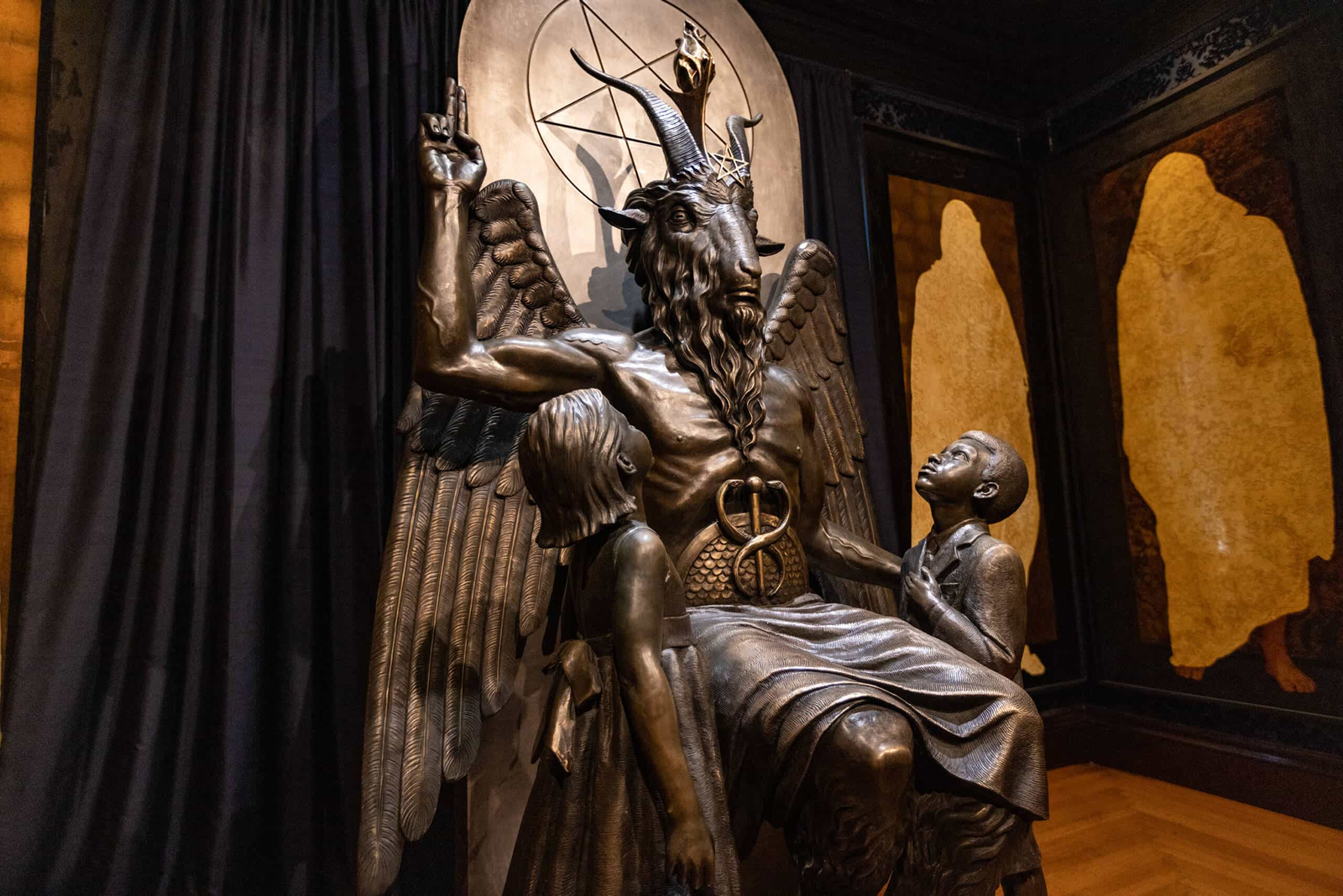
Satanistii- The term “Satanist” often conjures up images of dark rituals, devil worship, and sinister practices. Satanism is a broad term encompassing a variety of beliefs and practices, many of which are fundamentally different from the popular stereotypes. This article aims to shed light on the misconceptions surrounding Satanism and explore the diverse spectrum of beliefs and practices associated with it.
The Misconceptions
One of the most common misconceptions about Satanists is that they worship the devil. This is a gross oversimplification. While some Satanists may incorporate elements of devil worship into their practices, it is not a universal characteristic of all Satanists. Many Satanists view the devil as a symbol of rebellion against traditional authority and societal norms, rather than as a literal deity.
Another misconception is that Satanists are inherently evil or dangerous. This is simply untrue. Satanists come from all walks of life and have diverse backgrounds. Many Satanists are peaceful and law-abiding citizens who simply choose to follow a different path than mainstream religion.
The Diverse Spectrum of Satanism
Satanism is a broad term that encompasses a variety of beliefs and practices. Here are some of the most common types of Satanism:
LaVeyan Satanism: This is perhaps the most well-known form of Satanism, founded by Anton LaVey in the 1960s. LaVeyan Satanists adhere to a philosophy of individualism, hedonism, and self-worship. They do not believe in a literal devil or afterlife, but rather view Satan as a symbol of rebellion against traditional morality.
Theistic Satanism: Theistic Satanists believe in a literal devil who is a powerful entity. They may engage in rituals and practices designed to invoke the devil’s power or to gain his favor.
Satanic Witchcraft: This is a form of Satanism that incorporates elements of traditional witchcraft. Satanic witches may engage in spells, rituals, and divination.
Other Forms of Satanism: There are many other forms of Satanism, including those that are more eclectic or personalized. Some Satanists may draw inspiration from different cultures, religions, or philosophies.
The Appeal of Satanism
The appeal of Satanism varies from person to person. Some people are attracted to the rebellious spirit of Satanism, while others find solace in its emphasis on individual freedom and self-expression. Some people may also be drawn to the mystery and intrigue associated with Satanic beliefs and practices.
Criticisms of Satanism
Satanism has been criticized by many people, particularly religious conservatives. Critics often accuse Satanists of being immoral, dangerous, or anti-social. However, these criticisms are often based on stereotypes and misconceptions. Many Satanists are peaceful and law-abiding citizens who simply choose to follow a different path than mainstream religion.
Satanism and Society
Satanism has had a significant impact on popular culture, particularly in the realms of music, film, and literature. While Satanism may be seen as controversial by some, it is a legitimate belief system that deserves to be understood and respected.
Conclusion
The term “Satanist” is a broad and multifaceted one, encompassing a wide range of beliefs and practices. While some forms of Satanism may involve supernatural beliefs or ritualistic practices, others are more focused on individualism, self-empowerment, and the rejection of traditional religious dogma. It is important to approach the topic of Satanism with an open mind and avoid making generalizations based on stereotypes. By understanding the diverse nature of Satanism, we can gain a more nuanced and accurate understanding of this fascinating and often misunderstood belief system.
Satanism is a diverse and complex belief system that encompasses a wide range of beliefs and practices. While it may be associated with negative stereotypes, the reality is that many Satanists are peaceful and law-abiding citizens who simply choose to follow a different path than mainstream religion. By understanding the misconceptions surrounding Satanism and exploring the diverse spectrum of beliefs and practices associated with it, we can gain a more nuanced and accurate understanding of this fascinating and often misunderstood belief system.
FAQs
General Questions About Satanism
Q: What is Satanism?
A: Satanism is a diverse range of beliefs and practices that often involve the worship or reverence of Satan, a figure associated with evil or rebellion. It’s important to note that there are various forms of Satanism, each with its own unique interpretations and practices.
Q: Is Satanism the same as devil worship?
A: While some forms of Satanism may involve the worship of a devil-like figure, it’s not accurate to equate all Satanists with devil worship. Many Satanists view Satan as a symbol of rebellion against traditional authority or as a positive force for personal empowerment.
Q: Are Satanists evil or dangerous?
A: No, not all Satanists are evil or dangerous. Like any group of people, Satanists have a wide range of beliefs and behaviors. Many Satanists are peaceful individuals who simply practice their faith without harming others.
Different Forms of Satanism
Q: What are the different types of Satanism?
A: There are several major types of Satanism, including:
LaVeyan Satanism: Founded by Anton LaVey in the 1960s, this form of Satanism emphasizes individualism, hedonism, and the rejection of traditional morality.
Theistic Satanism: This type of Satanism involves the worship of a literal, supernatural Satan as a deity.
Septic Satanism: This form of Satanism focuses on the occult and magical practices associated with Satanic themes.
Q: What do Satanists believe in?
A: Beliefs vary widely among different Satanist groups, but common themes include:
Individualism and personal liberty
The rejection of traditional religious authority
The pursuit of knowledge and enlightenment
The appreciation of the natural world
Satanism and Society
Q: Is Satanism a growing movement?
A: While Satanism has gained some public attention, it’s difficult to say whether it’s a growing movement. Many Satanists prefer to keep their beliefs private, and there’s no reliable data on the number of Satanists worldwide.
Q: How does society view Satanism?
A: Satanism is often misunderstood and stigmatized by mainstream society. Many people associate it with evil, violence, and anti-social behavior. However, this perception is often inaccurate and based on stereotypes.
For more information about Satanism, you might find these resources helpful:
Church of Satan: https://www.churchofsatan.com/
Temple of Set: https://thesatanictemple.com/
Please let me know if you have any other questions or if you need more information.
To Read More; click here