
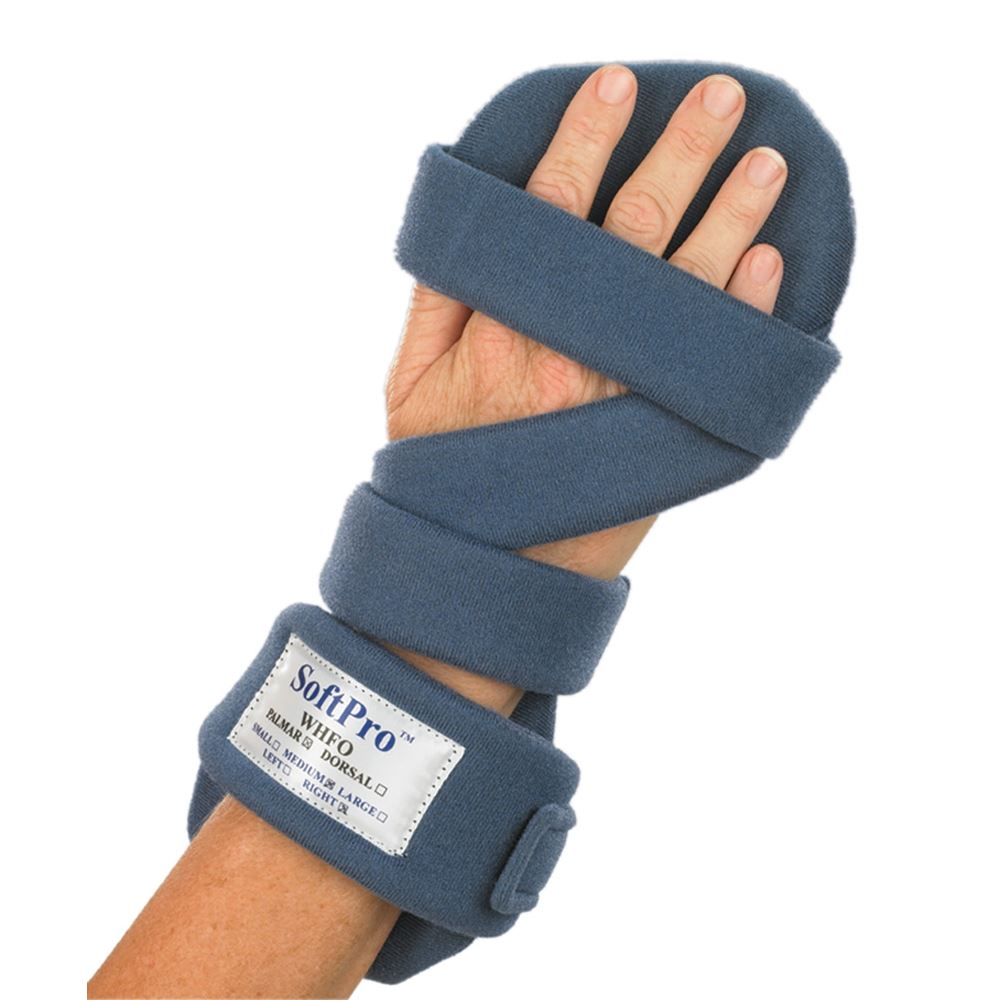
Hand splint- Hand splints are essential tools for supporting injured or weakened hands and wrists. They can be used to immobilize joints, reduce pain, and promote healing. Whether you’ve suffered a fracture, sprain, or other hand injury, a well-fitted splint can significantly aid in your recovery.
Understanding Hand Splints
A hand splint is a medical device that provides support and protection to the hand and wrist. They come in various shapes and sizes, depending on the specific injury or condition being treated. Splints can be made from a variety of materials, including plastic, metal, fabric, and foam.
Common Uses for Hand Splints
Hand splints are used to treat a wide range of hand and wrist injuries and conditions, including:
Fractures: Splints can immobilize broken bones, allowing them to heal properly.
Dislocations: They can help realign dislocated joints and prevent further injury.
Sprains and strains: Splints can reduce pain and swelling associated with sprains and strains.
Tendinitis: They can provide relief from inflammation and pain caused by tendinitis.
Arthritis: Splints can help improve hand function and reduce pain for people with arthritis.
Repetitive strain injuries: They can prevent further damage to the tendons and muscles in the hand and wrist.
Carpal tunnel syndrome: Splints can help alleviate the symptoms of carpal tunnel syndrome, which is a condition caused by compression of the median nerve in the wrist.
Post-surgical recovery: Splints can be used to support the hand and wrist during the healing process after surgery.
Types of Hand Splints
There are several different types of hand splints available, each designed for a specific purpose. Some of the most common types include:
Thumb spica splint: This type of splint is used to immobilize the thumb and wrist. It is often used to treat conditions such as de Quervain’s tenosynovitis and thumb fractures.
Wrist splint: A wrist splint is used to immobilize the wrist joint. It is often used to treat wrist fractures, sprains, and strains.
Finger splint: Finger splints are used to immobilize individual fingers. They are often used to treat finger fractures, dislocations, and tendon injuries.
Ulnar gutter splint: This type of splint is used to support the pinky finger and ulnar side of the hand. It is often used to treat fractures of the ulna bone.
Radial gutter splint: A radial gutter splint is used to support the thumb and radial side of the hand. It is often used to treat fractures of the radius bone.
Volkmann’s contracture splint: This type of splint is used to prevent or treat Volkmann’s contracture, a condition that can occur after an injury to the forearm.
Opponens splint: This type of splint is used to improve the ability of the thumb to oppose the other fingers. It is often used to treat conditions such as cerebral palsy and stroke.
Choosing the Right Hand Splint
The type of splint you need will depend on the nature of your injury or condition. It is important to consult with a healthcare professional to determine the most appropriate splint for your needs.
Wearing and Caring for a Hand Splint
It is important to wear your splint as directed by your healthcare provider. Improper use can lead to further injury or delay healing. You should also follow the manufacturer’s instructions for cleaning and caring for your splint.
When to See a Doctor
If you experience any pain, swelling, numbness, or tingling in your hand or wrist, it is important to see a doctor.
Additional Considerations
Custom-made splints: In some cases, a custom-made splint may be required to provide the best possible support and comfort.
Splint alternatives: There are also alternative options available, such as braces and wraps, that can provide support for the hand and wrist.
Lifestyle adjustments: In addition to wearing a splint, you may need to make lifestyle adjustments to promote healing. This may include avoiding activities that aggravate your injury and taking medications as prescribed.
Conclusion
Hand splints are valuable tools for supporting injured or weakened hands and wrists. By understanding the different types of splints and their uses, you can make informed decisions about your treatment and recovery. If you have any questions about hand splints or your specific condition, consult with a healthcare professional.
FAQs
Understanding Hand Splints
Q: What is a hand splint?
A: A hand splint is a medical device designed to immobilize or support the hand and wrist, providing stability and reducing pain.
Q: When should I use a hand splint?
A: Hand splints are commonly used for:
Fractures and breaks
Sprains and strains
Tendinitis and carpal tunnel syndrome
Post-surgery rehabilitation
Arthritis and other chronic hand conditions
Q: What are the different types of hand splints?
A: Hand splints come in various styles, each suited for specific conditions:
Thumb spica splint: Supports the thumb and wrist.
Ulnar gutter splint: Supports the pinky finger and ulnar side of the hand.
Volar or dorsal splint: Supports the entire hand, palm side or back side.
Wrist cock-up splint: Immobilizes the wrist in a neutral position.
Choosing the Right Hand Splint
Q: How do I choose the right hand splint?
A: Consult with a healthcare professional to determine the most appropriate splint based on your specific injury or condition. Factors to consider include:
Type of injury or condition
Severity of the injury
Desired level of support
Comfort and fit
Q: What materials are hand splints made from?
A: Hand splints can be made from various materials, including:
Aluminum: Lightweight and durable.
Plastic: Flexible and often customizable.
Fabric: Soft and comfortable, often used for temporary support.
Q: Can I buy a hand splint over-the-counter?
A: Yes, you can find basic hand splints at pharmacies and medical supply stores. However, for more complex injuries or conditions, it’s advisable to consult a doctor for a customized option.
Using and Caring for a Hand Splint
Q: How long should I wear a hand splint?
A: The duration of splint use will depend on your specific condition and your doctor’s recommendations. It’s essential to follow your healthcare provider’s instructions.
Q: How do I care for my hand splint?
A: To ensure proper hygiene and longevity:
Clean the splint regularly with mild soap and water.
Dry thoroughly before storing.
Check for any signs of wear or damage and replace if necessary.
Q: Can I use a hand splint while sleeping?
A: Your doctor will advise on whether to wear the splint while sleeping, depending on your condition and treatment plan.
Hand Splint Reviews
Q: Where can I find hand splint reviews?
A: You can find reviews on various online platforms, including:
Amazon
Medical supply websites
Health forums
Q: What should I look for in a hand splint review?
A: When reading reviews, consider:
Overall satisfaction
Comfort and fit
Effectiveness in supporting the injury
Durability
Ease of use
By understanding the different types of hand splints and their uses, you can make an informed decision and find the best option to support your hand health.
To Read More; click here