
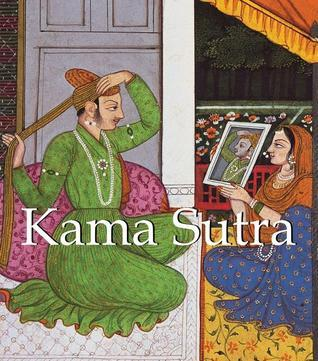
The Kama Sutra, an ancient text originating from India, is often misunderstood as merely a manual of sexual positions. However, this seminal work, attributed to the sage Vatsyayana, is a comprehensive guide to the art of living, encompassing love, relationships, and personal fulfillment. In this article, we will delve into the rich history of the Kama Sutra, its core principles, and its relevance in the modern world.
Historical Background
The Kama Sutra was written in Sanskrit by Vatsyayana, a scholar and philosopher, around the 3rd century CE. The text is a part of the “Kama Shastras,” a genre of literature that deals with the concept of Kama, which translates to desire or pleasure. The Kama Sutra is considered one of the most important works in this genre and provides a detailed exploration of human emotions and relationships.
The Kama Sutra was composed during a time when Indian society was highly structured and stratified. Its teachings reflect the complex social norms and values of the period, aiming to guide individuals in navigating the intricacies of romantic and social relationships.
Structure and Content
The Kama Sutra is divided into seven sections, each dealing with different aspects of love and relationships:
General Principles: This section introduces the concept of Kama and its significance in human life. It sets the stage for understanding the role of pleasure and desire in personal happiness.
On Sexual Union: Contrary to popular belief, this section is not just about sexual positions. It offers insights into the psychology of intimacy, the importance of mutual pleasure, and the connection between physical and emotional bonding.
Acquiring a Wife: This part explores the various ways to court and win the affection of a potential partner. It emphasizes the importance of respect, communication, and genuine interest.
Duties and Privileges of the Wife: This section outlines the roles and responsibilities within a marital relationship, providing guidance on maintaining harmony and mutual respect.
Other Men’s Wives: While controversial, this part discusses the social dynamics and ethical considerations surrounding relationships with other people’s spouses, offering a nuanced view of human desires and societal norms.
Courtesans: This section examines the role of courtesans in ancient society, providing insights into their social status, skills, and the nature of their relationships with patrons.
Spiritual and Practical Aspects: The final section of the Kama Sutra integrates the teachings of the text with broader philosophical and spiritual ideas, highlighting the connection between physical pleasure and spiritual well-being.
Key Themes and Teachings
The Kama Sutra’s teachings extend beyond mere physical pleasure and touch upon several important themes:
The Balance of Desire and Duty
One of the central tenets of the Kama Sutra is the balance between desire (Kama), duty (Dharma), and material prosperity (Artha). The text advocates for a life where pleasure is enjoyed in harmony with one’s responsibilities and goals. It encourages readers to pursue pleasure thoughtfully, ensuring that it does not overshadow their duties and aspirations.
Mutual Respect and Communication
The Kama Sutra emphasizes the importance of mutual respect and open communication in relationships. It teaches that genuine intimacy and pleasure arise from a deep understanding of one’s partner’s needs and desires. This principle remains relevant in contemporary relationships, where emotional connection and effective communication are crucial for lasting bonds.
The Role of Aesthetics and Sensuality
The text explores the aesthetic dimensions of love and pleasure, celebrating the beauty of physical and emotional experiences. The Kama Sutra encourages a mindful approach to sensuality, where pleasure is savored and appreciated. This focus on aesthetics can inspire a more conscious and enriching approach to intimacy.
The Kama Sutra in Modern Context
In today’s world, the Kama Sutra continues to be a source of fascination and inspiration. Its teachings are often interpreted in various ways, from academic studies to popular media. Here are some ways in which the Kama Sutra remains relevant:
Relationship Enrichment
Modern readers can use the Kama Sutra’s principles to enhance their relationships. Its advice on communication, mutual respect, and the integration of pleasure with responsibility can help individuals and couples cultivate deeper and more fulfilling connections.
Personal Growth
The Kama Sutra encourages self-awareness and personal growth through the exploration of one’s desires and relationships. Its teachings can inspire individuals to reflect on their own needs and aspirations, fostering a greater understanding of themselves and their partners.
FAQs
Is the Kama Sutra only about sexual positions?
No, the Kama Sutra is not solely focused on sexual positions. While it does include a section on physical intimacy, the text is much broader. It offers a holistic view of love and relationships, including the importance of mutual respect, communication, and understanding. The sexual positions are just one part of a larger discussion on how to achieve a fulfilling and balanced life.
How can the Kama Sutra be applied today?
The Kama Sutra’s principles can be applied to modern relationships by focusing on its core teachings of respect, communication, and balance. Its advice on nurturing relationships, understanding desires, and integrating pleasure with responsibilities can enrich contemporary romantic and personal lives. Additionally, studying the Kama Sutra offers insights into historical perspectives on love and social norms, providing a deeper understanding of cultural heritage.
Are there different translations of the Kama Sutra?
Yes, there are numerous translations and interpretations of the Kama Sutra. Each translator may offer a different perspective based on their understanding of the text and its cultural context. It is important to choose a translation that is well-regarded for its accuracy and scholarly approach. Many translations also include commentary to help readers better grasp the text’s meanings and nuances.
Why is the Kama Sutra considered important?
The Kama Sutra is considered important because it provides a comprehensive view of human desires and relationships. Its teachings go beyond physical pleasure to address emotional connection, social conduct, and personal growth. The text offers timeless wisdom on balancing pleasure with other aspects of life, making it a valuable resource for understanding the complexities of human interactions and well-being.
The Kama Sutra remains a significant and influential work in the exploration of love and relationships. Far from being a simple manual of sexual positions, it is a rich text that offers guidance on various aspects of human life and personal fulfillment. By understanding its broader themes and teachings, readers can gain valuable insights into the art of living harmoniously and enriching their relationships.
To read more, click here