
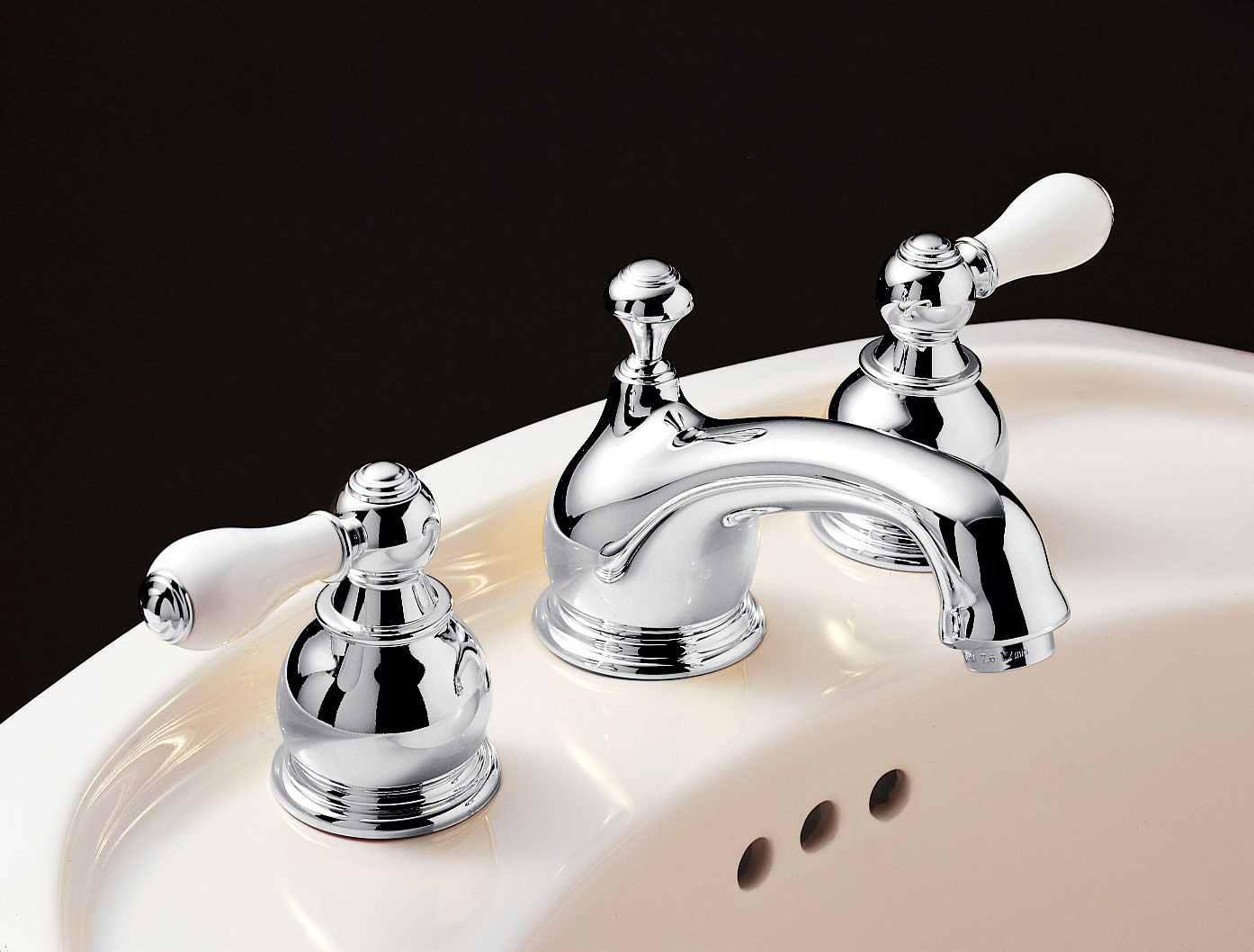
Faucet -Faucets, often overlooked but essential fixtures in our daily lives, play a crucial role in our homes. They serve as the primary means of controlling the flow of water, and their design and functionality can significantly impact both convenience and aesthetic appeal. In this comprehensive guide, we’ll explore the different types of faucets, their key components, and factors to consider when choosing the perfect faucet for your space.
Understanding Faucet Basics
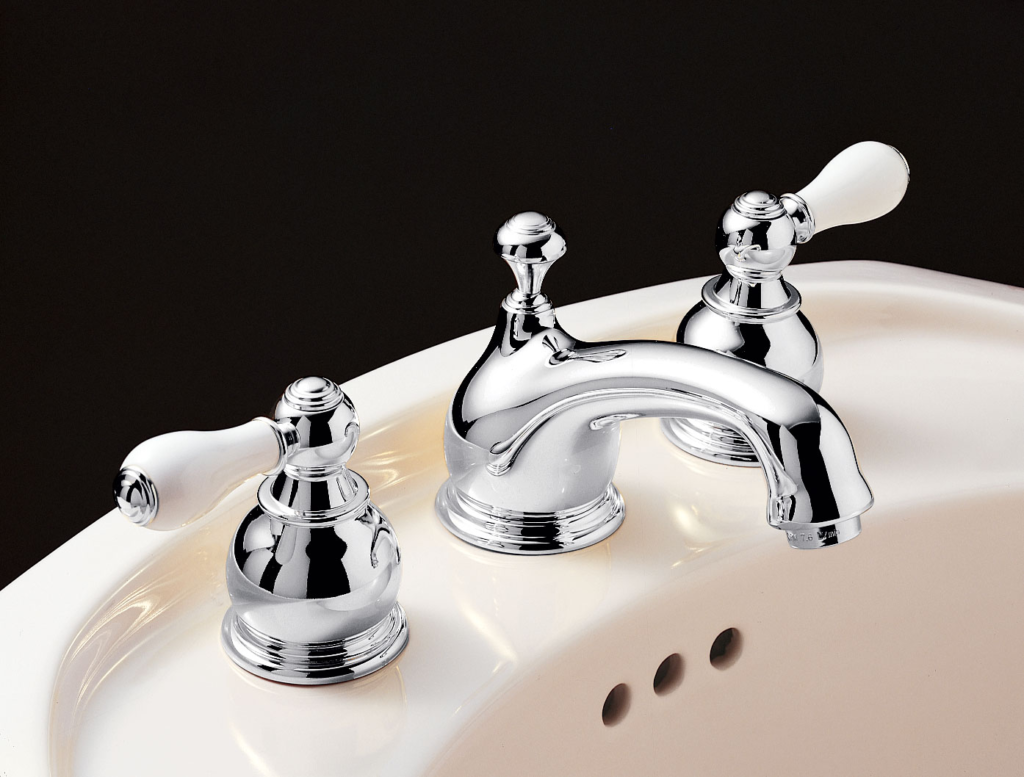
A faucet is a device designed to regulate the flow of water from a pipe. It typically consists of a spout, handle, and internal components that control the water flow. Faucets are commonly found in kitchens, bathrooms, and laundry rooms, and they come in a wide variety of styles and finishes.
Types of Faucets
There are several types of faucets available, each with its own unique features and benefits:
Single-Handle Faucet: This is the most common type of faucet, featuring a single handle that controls both the water temperature and flow. Single-handle faucets are easy to use and offer a sleek, modern design.
Two-Handle Faucet: Two-handle faucets have separate handles for controlling hot and cold water. They are a classic choice that offers precise temperature control.
Mixing Faucet: Mixing faucets combine hot and cold water to produce a desired temperature. They often feature a single handle or a lever that controls both temperature and flow.
Touch Faucet: Touch faucets are activated by simply touching the spout or handle. They are convenient and hygienic, as they eliminate the need for manual handles.
Sensor Faucet: Sensor faucets use infrared technology to detect the presence of hands and automatically turn the water on and off. They are ideal for high-traffic areas, such as public restrooms, as they help to conserve water.
Faucet Components
Faucets are composed of several key components:
Handle: The handle is used to control the water flow and temperature. It can be single-handle or two-handle.
Cartridge or Valve: The cartridge or valve is the internal mechanism that regulates the water flow. It is typically located inside the faucet body.
Aerator: The aerator is a small device at the end of the spout that mixes air with the water, creating a more forceful and efficient stream.
O-Rings and Gaskets: O-rings and gaskets are seals that prevent water leaks.
Factors to Consider When Choosing a Faucet
Style and Design: Choose a faucet that complements the overall style of your kitchen or bathroom. Consider the finish, shape, and size of the faucet.
Functionality: Think about your specific needs and preferences. Do you prefer a single-handle or two-handle faucet? Do you need a touch or sensor faucet for added convenience?
Water Pressure: If you have low water pressure, consider a faucet with a high-pressure aerator.
Budget: Faucets can range in price from affordable to luxury. Set a budget and stick to it.
Installation: If you are not a professional plumber, consider hiring a professional to install your new faucets.
Faucet Maintenance
Proper maintenance can help your faucets last longer and function properly. Here are some tips for maintaining your faucets:
Clean regularly: Wipe down your faucet with a soft cloth and mild soap to remove dirt and grime.
Replace worn parts: If your faucets is leaking or not functioning properly, replace any worn or damaged parts.
Use a faucet cleaner: For stubborn mineral deposits, use a specialized faucets cleaner.
By understanding the different types of faucets, their components, and the factors to consider when choosing one, you can select the perfect faucets for your home. With proper care and maintenance, your faucets will provide you with years of reliable service.
FAQs
Faucet Facts and Features
Q: What is a faucet?
A: A faucet is a plumbing fixture used to control the flow of water. It typically consists of a handle, spout, and internal mechanism.
Q: What are the different types of faucets?
A: There are various types of faucets, including:
Single-handle faucets: These have a single handle that controls both the water temperature and flow rate.
Double-handle faucets: These have two separate handles, one for hot water and one for cold water.
Touchless faucets: These are activated by a sensor and do not require physical contact.
Vessel faucets: These are designed to be mounted on a countertop and have a unique appearance.
Kitchen faucets: These are typically larger and have features like a sprayer or a pull-down spout.
Bathroom faucets: These are smaller and come in various styles, including widespread, centerset, and wall-mounted.
Q: What are the different materials used for faucets?
A: Faucets can be made from various materials, including brass, stainless steel, chrome, nickel, and ceramic. Each material has its own advantages and disadvantages.
Faucet Maintenance and Repair
Q: How often should I clean my faucet?
A: You should clean your faucets regularly to prevent mineral buildup and keep it looking its best. Use a mild cleaning solution and a soft cloth.
Q: What are some common faucet problems?
A: Some common faucets problems include:
Leaky faucets
Low water pressure
Stuck handles
Clogged aerators
Q: How can I fix a leaky faucet?
A: The best way to fix a leaky faucets is to replace the worn-out parts, such as the washer or O-ring. If you’re not comfortable doing this yourself, it’s best to call a plumber.
Q: How can I improve water pressure in my faucet?
A: Low water pressure can be caused by a variety of factors, including mineral buildup, a clogged aerator, or a faulty water supply line. You may need to clean the aerator, replace the water supply line, or adjust the pressure regulator.
Faucet Styles and Trends
Q: What are some popular faucet styles?
A: Some popular faucets styles include:
Modern: Sleek and minimalist designs
Traditional: Classic and timeless styles
Contemporary: A blend of modern and traditional elements
Industrial: Raw and unfinished looks
Q: What are the latest trends in faucets?
A: Some recent trends in faucets include:
Touchless faucets: For convenience and hygiene
Black finishes: For a bold and modern look
Dual-function faucets: With both a spout and a sprayer
Smart faucets: With built-in features like voice control and temperature sensing
Choosing the Right Faucets
Q: How do I choose the right faucet for my home?
A: When choosing a faucets, consider the following factors:
Style: Choose a faucets that complements your home’s decor.
Function: Consider your needs and preferences, such as whether you need a sprayer or a touchless faucets.
Budget: Set a budget for your faucet to help narrow down your options.
Installation: Determine if you will install the faucets yourself or hire a professional.
By understanding the different types of faucets, their maintenance requirements, and the latest trends, you can make an informed decision and choose the perfect faucets for your home.
Would you like to know more about a specific type of faucets or have other questions?
To Read More; click here