
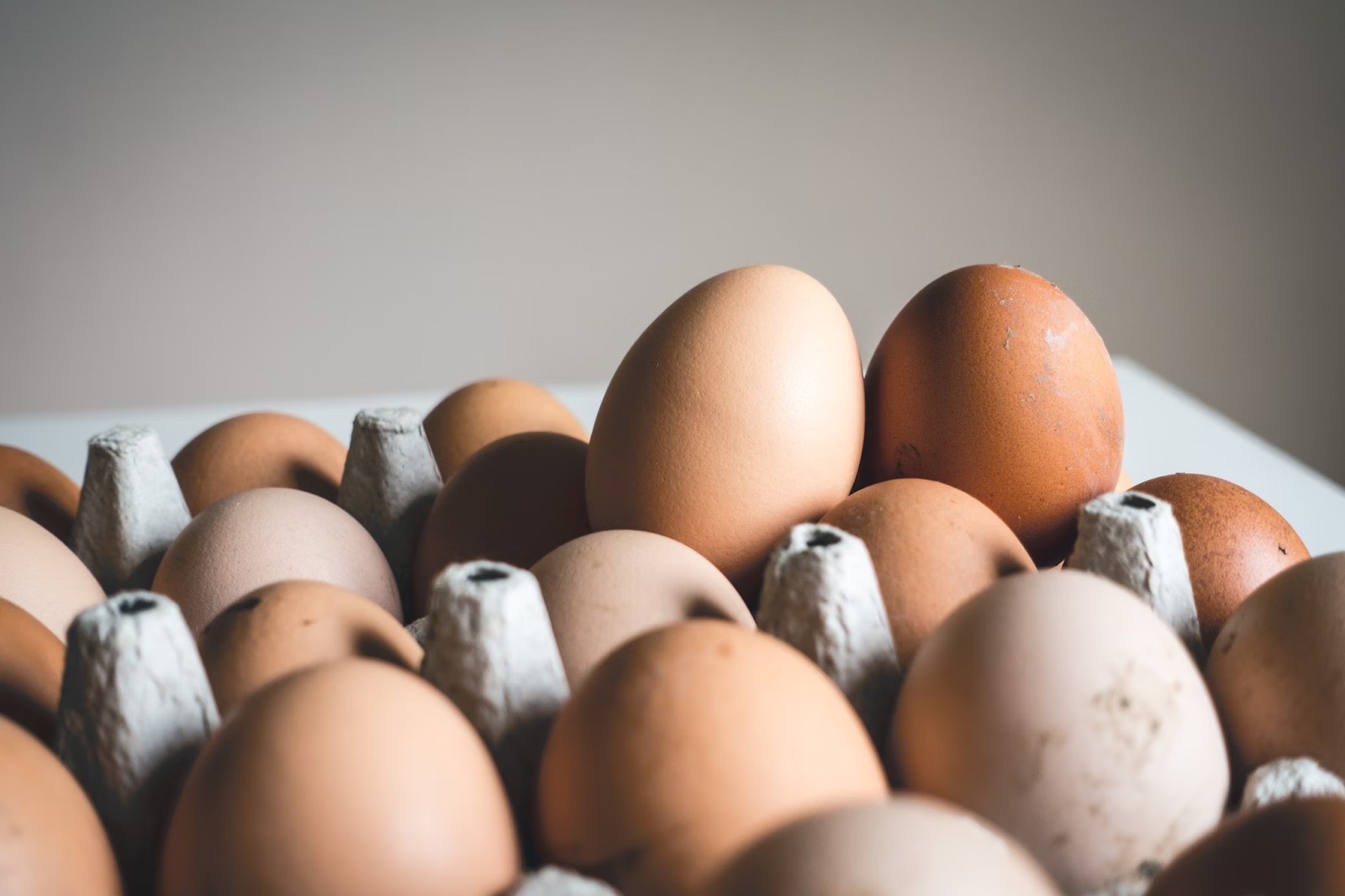
Boiling eggs may seem like a simple task, but anyone who’s tried to achieve the perfect consistency knows how tricky it can be. From overcooked yolks to undercooked whites, the process can be more challenging than expected. This is where the egg boiler comes in—a compact kitchen gadget that has gained popularity for its ability to deliver consistently perfect eggs with minimal effort. In this article, we’ll explore the latest trends, features, and common questions surrounding egg boilers based on the latest discussions from YouTube and Google.

The Growing Demand for Egg Boilers
Egg boilers have become a staple in modern kitchens, offering a quick and easy solution for perfectly cooked eggs. With the rising popularity of meal prepping and healthy eating, the demand for convenient cooking appliances has surged. Egg boilers, in particular, appeal to those looking for a hassle-free way to prepare eggs for breakfast, snacks, or as part of a meal.
Unlike traditional methods of boiling eggs in a pot of water, egg boilers allow you to set your desired level of doneness, whether it’s soft, medium, or hard-boiled, and then leave the device to do the work. This hands-free convenience is one of the major reasons why egg boilers are becoming increasingly popular.
Why Choose an Egg Boiler?
The appeal of egg boilers lies in their simplicity, efficiency, and ability to deliver consistent results. Here are a few reasons why people are turning to this kitchen gadget:
- Precision Cooking: Egg boilers come with settings that allow users to choose exactly how they want their eggs cooked—soft, medium, or hard-boiled. This ensures that the eggs are cooked to perfection every time.
- Time-Saving: Gone are the days of standing over the stove, waiting for water to boil and timing the cooking process. Egg boilers simplify the process by automatically shutting off once the eggs are done.
- Energy-Efficient: Since egg boilers require less water and heat, they are often more energy-efficient than boiling eggs on the stove.
- Multi-Functionality: Some egg boilers are versatile and come with additional trays for poaching eggs or steaming vegetables, making them a valuable all-in-one kitchen appliance.
- Consistent Results: With an egg boiler, you no longer have to worry about overcooking or undercooking your eggs. The device is designed to provide consistent results each time, with no need for trial and error.
The Latest Trends in Egg Boilers
As technology advances, egg boilers have evolved to offer more features, better design, and enhanced performance. Here are some of the latest trends in egg boilers:
1. Digital Controls and LCD Displays
Many modern egg boilers are equipped with digital controls and LCD displays, allowing for precise timing and temperature control. This feature makes it easier to set the exact cooking time for your preferred egg consistency. The LCD display also provides a clear countdown, so you know when your eggs will be ready.
2. Multi-Egg Capacity
As demand for egg boilers has increased, manufacturers have begun offering models with larger egg capacities. While most traditional egg boilers can cook up to six eggs at a time, newer models can handle up to 12 eggs, making them ideal for larger families or those who meal prep.
3. Automatic Shut-Off and Alarm Features
The automatic shut-off feature ensures that the egg boiler turns off once the cooking process is complete, preventing overcooking. Additionally, many devices come with an audible alarm that signals when the eggs are ready, allowing users to attend to other tasks without worrying about their food.
4. Portable and Compact Designs
With space being a premium in many modern kitchens, compact and portable egg boilers have become increasingly popular. These small, lightweight devices are perfect for those with limited counter space or for individuals who want to take their egg boiler on the go. Many models are designed with portability in mind, making them a convenient option for travelers or people with busy lifestyles.
5. Poaching and Omelette-Making Functions
Some egg boilers come with additional trays for poaching eggs or making omelettes. This added functionality is perfect for individuals who enjoy a variety of egg-based dishes. With one device, users can boil, poach, or make fluffy omelettes with ease.
How an Egg Boiler Works
The mechanism behind an egg boiler is simple yet effective. The device uses steam to cook the eggs. Here’s a step-by-step guide to how it works:
- Add Water: Depending on how you like your eggs (soft, medium, or hard-boiled), you’ll need to add a specific amount of water to the boiler. Most egg boilers come with a measuring cup to ensure the correct amount is used.
- Place the Eggs: Eggs are placed in designated slots within the boiler. The number of eggs you can cook will vary depending on the capacity of your device, but most standard models hold 6–12 eggs.
- Turn It On: Once the water is added, and the eggs are in place, you simply turn on the egg boiler. The water heats up and turns into steam, which cooks the eggs.
- Automatic Shut-Off: Once the water has evaporated, the device automatically shuts off, signaling that the eggs are ready. Some devices may also have an alarm or indicator light to notify you.
- Enjoy: After cooking, let the eggs cool for a few minutes, then peel and enjoy perfectly boiled eggs.
FAQs
What is an egg boiler, and how does it work?
An egg boiler is a small kitchen appliance designed to steam eggs to a desired level of doneness, such as soft, medium, or hard-boiled. It works by heating a small amount of water that turns into steam, cooking the eggs evenly. Depending on the model, you can place the eggs in a designated tray or slots, and the boiler automatically shuts off once the water evaporates and the eggs are cooked. Many egg boilers also offer additional features such as poaching trays or omelette makers.
How do you use an egg boiler for the first time?
Using an egg boiler is straightforward. First, measure the appropriate amount of water using the provided measuring cup. The amount of water will depend on whether you want soft, medium, or hard-boiled eggs. Place the eggs in the slots or tray, pour the water into the heating base, and turn on the machine. The boiler will steam the eggs for the set time and automatically turn off when finished. Once the eggs are done, let them cool before peeling.
How long does it take to boil eggs in an egg boiler?
The time it takes to boil eggs in an egg boiler depends on the desired consistency. Soft-boiled eggs typically take 5-7 minutes, medium-boiled eggs take around 8-10 minutes, and hard-boiled eggs require 12-15 minutes. Modern egg boilers are designed to shut off automatically once the eggs are cooked based on the amount of water added.
Can you poach eggs or make omelettes in an egg boiler?
Yes, many egg boilers come with extra trays for poaching eggs or making omelettes. To poach eggs, place them in the poaching tray, add a little water, and follow the same steaming process as for boiling eggs. For omelettes, pour the beaten eggs into the omelette tray and let the steam cook them until fluffy. These features add versatility, making the egg boiler useful for preparing various egg dishes.
Is it possible to cook other foods in an egg boiler?
In addition to eggs, some egg boilers allow you to steam small portions of other foods, like vegetables or even fish. Multi-functional egg boilers often come with steaming trays, enabling you to prepare a range of healthy meals. However, the primary function of an egg boiler is still to boil or poach eggs, and its capacity for other foods is usually limited.
How many eggs can an egg boiler cook at once?
The number of eggs an egg boiler can handle varies depending on the model. Most standard egg boilers can cook between 6 to 12 eggs at a time. Larger models designed for families or batch cooking may have a capacity for more eggs. Always check the product specifications to know the exact capacity of your egg boiler.
Can you cook soft, medium, and hard-boiled eggs at the same time in an egg boiler?
Most egg boilers are designed to cook all eggs to the same consistency during a single use. To achieve soft, medium, or hard-boiled eggs, you would need to adjust the amount of water added to the boiler. If you want different levels of doneness in the same batch, you may need to remove some eggs earlier and let the rest cook longer, which requires manual monitoring.
How do you clean an egg boiler after use?
Cleaning an egg boiler is simple and generally requires minimal effort. After use, let the device cool down, and then remove the egg tray and any additional components. These parts can usually be washed with warm soapy water or placed in the dishwasher if they are dishwasher-safe. Wipe down the heating plate with a damp cloth. It’s important to regularly clean your egg boiler to prevent any residue or buildup from affecting its performance.
What features should I look for when buying an egg boiler?
When choosing an egg boiler, consider the capacity—how many eggs you need to cook at once—and whether you want additional features like poaching trays, omelette-making functions, or steaming baskets for vegetables. Also, check for safety features such as automatic shut-off and alarms that signal when the eggs are done. Compact designs are beneficial for small kitchens, while digital controls and timers provide extra precision.
Do egg boilers make eggs taste different compared to traditional boiling?
No, the taste of the eggs remains the same regardless of whether they are boiled traditionally or in an egg boiler. The difference lies in the method of cooking. Egg boilers use steam to cook the eggs, which can often result in more consistent textures since there is less direct heat than boiling in water. Some users prefer the texture of eggs boiled in an egg boiler, particularly if they enjoy a precise level of softness or hardness.
Are egg boilers energy-efficient?
Yes, egg boilers are generally more energy-efficient than boiling eggs in a pot on the stove. They use less water and heat and typically cook eggs faster, reducing energy consumption. Since they are designed for small-scale cooking, egg boilers are ideal for quick breakfasts or snacks without the need for large amounts of water or prolonged heating.
What is the difference between electric egg boilers and microwave egg boilers?
Electric egg boilers use a heating element to create steam, which cooks the eggs evenly. These devices are plugged into an outlet and can usually cook multiple eggs at once. Microwave egg boilers, on the other hand, are designed to be used in the microwave. They are typically smaller, portable, and more convenient for single servings. However, microwave egg boilers often require more manual control, and results can be less consistent compared to electric models.
Can I use an egg boiler for meal prepping?
Yes, egg boilers are great for meal prepping. If you’re someone who enjoys boiled eggs throughout the week, using an egg boiler to cook multiple eggs at once can save time. You can easily prepare a batch of eggs in advance and store them in the refrigerator for use in salads, sandwiches, or as snacks.
Is it safe to leave an egg boiler unattended while cooking?
Most modern egg boilers are equipped with automatic shut-off features that make them safe to use. Once the water evaporates and the eggs are cooked, the boiler will turn off automatically, preventing overcooking or accidents. However, as with any kitchen appliance, it’s a good idea to follow safety instructions and avoid leaving it unattended for long periods.
Conclusion: The Egg Boiler as a Kitchen Essential
An egg boiler is a must-have kitchen gadget for anyone who enjoys eggs regularly. Whether you’re preparing breakfast for a large family, meal prepping for the week, or simply looking for a quick and easy way to cook eggs, an egg boiler can save you time and effort.
With the latest advancements in design and functionality, egg boilers have become more than just a tool for boiling eggs. They are multi-functional appliances that can poach, steam, and even make omelettes, catering to a variety of dietary preferences and needs.
If you’re someone who values convenience and consistency in the kitchen, investing in an egg boiler could be the perfect solution for your egg-cooking needs.
To read more, Click Here.