
The Himba people, a nomadic pastoral community inhabiting the northern regions of Namibia, have captivated the world with their distinctive lifestyle and rich cultural heritage. Their adherence to ancient traditions, coupled with their resilience in the face of modern challenges, has made them a subject of fascination for anthropologists, travelers, and curious minds alike.
This article delves into the fascinating world of the Himba people, exploring their history, cultural practices, and the challenges they face in the contemporary world.
A Brief History of the Himba
The Himba are believed to be descendants of ancient Bantu-speaking peoples who migrated southward from central Africa. They have lived in the arid landscapes of northern Namibia for centuries, adapting their way of life to the harsh conditions of the Namib Desert and the Kaokoveld.
Their nomadic lifestyle has been central to their survival, as they move with their livestock in search of grazing lands and water sources. This constant migration has allowed them to maintain a close connection with the land and its resources.
The Himba Way of Life
Pastoralism: The Himba primarily rely on pastoralism for their livelihood. They raise cattle, goats, sheep, and donkeys, which provide them with milk, meat, and hides. These animals are also a symbol of wealth and status within Himba society.
Traditional Dwellings: The Himba construct temporary huts made of mud, sticks, and thatch. These structures are designed to withstand the harsh desert climate and provide shelter for families.
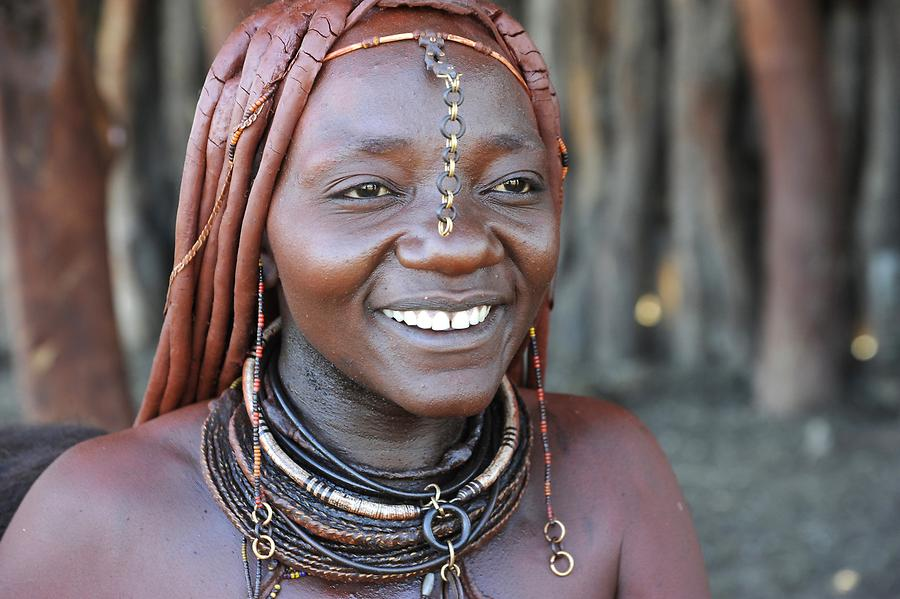
Ootjize: One of the most distinctive aspects of Himba culture is their use of otjize, a red ochre paste that is rubbed into their skin and hair. Otjize serves multiple purposes, including protecting the skin from the sun, repelling insects, and enhancing beauty. It also symbolizes the Himba’s connection to the earth and their ancestors.
Clothing: Himba clothing is simple and functional, consisting of loincloths for men and long skirts or dresses for women. These garments are often decorated with beads and other adornments.
Social Structure: Himba society is hierarchical, with clan leaders and elders playing important roles. The family unit is strong, and marriage is typically arranged by parents.
Cultural Practices and Beliefs
Initiation Rites: Himba young people undergo initiation ceremonies that mark their transition to adulthood. These rituals involve physical challenges, spiritual instruction, and the acquisition of traditional knowledge.
Spiritual Beliefs: The Himba have a deep connection to the natural world and believe in a pantheon of deities and ancestral spirits. They practice traditional rituals and ceremonies to appease the gods and maintain harmony with the environment.
Music and Dance: Music and dance are integral parts of Himba culture. Traditional instruments, such as the kora and the djembe, are used to accompany songs and dances that celebrate life, love, and community.
Challenges Facing the Himba
Modernization: The Himba are increasingly exposed to modern influences, such as tourism, education, and healthcare. While these developments can bring benefits, they also pose challenges to their traditional way of life.
Climate Change: Climate change is a significant threat to the Himba, as it can lead to drought, desertification, and reduced availability of resources. This can have a devastating impact on their pastoral livelihood.
Conservation Issues: The Himba’s nomadic lifestyle can sometimes conflict with conservation efforts. Their livestock grazing practices may contribute to land degradation and habitat loss for wildlife.
The Himba and the Future
Despite the challenges they face, the Himba people remain resilient and determined to preserve their cultural heritage. Many Himba communities are actively involved in conservation efforts and are working to adapt their way of life to the changing world.
By understanding the Himba people and their unique culture, we can appreciate the diversity of human experience and the importance of preserving traditional ways of life.
FAQs
Who are the Himba people?
The Himba are a nomadic pastoralist ethnic group inhabiting the northern regions of Namibia, particularly the Kunene Region. They are known for their unique culture, traditional attire, and their close connection to livestock.
Where do the Himba people live?
The Himba primarily reside in the arid and semi-arid landscapes of northern Namibia, often in remote areas with limited access to modern amenities. Their nomadic lifestyle requires them to move frequently in search of grazing lands for their livestock.
What is the Himba culture like?
The Himba culture is rich and diverse, characterized by its strong emphasis on tradition, family, and community. They have preserved many ancient customs and beliefs, including their distinctive red ochre body paint, which is used for both aesthetic and medicinal purposes.
Body Paint: The Himba are renowned for their use of otjize, a red ochre paste made from clay and butterfat. This paste is applied to the skin to protect against the harsh sun and insects, and it is also believed to have medicinal properties.
Traditional Attire: Himba men typically wear loincloths and animal skins, while women wear long, flowing dresses made from goatskin or kudu leather. They often adorn themselves with intricate beadwork and metal ornaments.
Social Structure: The Himba society is organized into clans and lineages, with elders playing a crucial role in decision-making and conflict resolution.
What is the Himba economy based on?
The Himba economy is primarily based on livestock, particularly cattle, goats, and sheep. They rely on their animals for milk, meat, and hides, which are used to make clothing and other items.
What are the challenges faced by the Himba people?
The Himba people face several challenges, including:
Climate Change: The changing climate is affecting their traditional way of life, as it leads to droughts and reduced grazing lands.
Modernization: The increasing influence of Western culture and technology is posing a threat to their traditional customs and beliefs.
Poverty: Many Himba people live in poverty, with limited access to education, healthcare, and basic amenities.
How are the Himba people adapting to modern society?
Despite the challenges they face, the Himba people are gradually adapting to modern society. Some Himba have embraced education and employment opportunities, while others have found ways to integrate their traditional culture with modern conveniences.
What is the future outlook for the Himba people?
The future of the Himba people is uncertain. While they face significant challenges, their resilience and strong cultural identity give them hope for a brighter future. Efforts are being made to protect their way of life and ensure their continued access to land and resources.
What can be done to help the Himba people?
Supporting sustainable development initiatives, promoting education and healthcare, and preserving their cultural heritage are some of the ways to help the Himba people. Organizations and individuals can contribute to their well-being by supporting projects that address their needs and empower them to build a better future.
To read more, Click Here.