
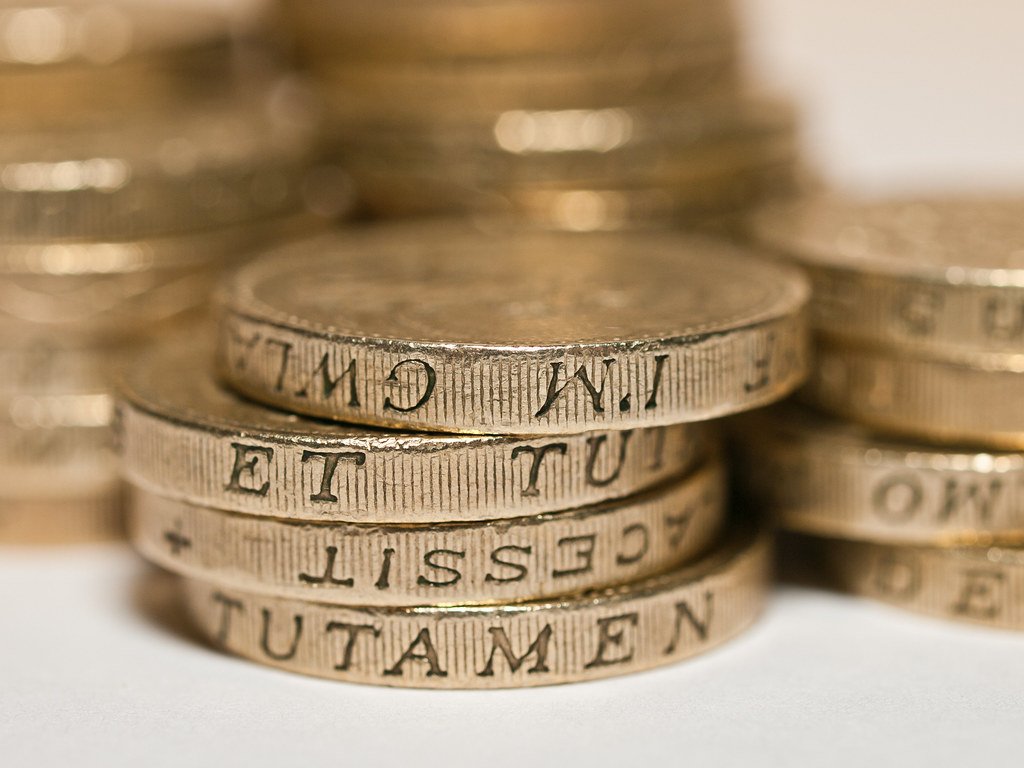
The British Pound (GBP) holds significant importance in the global economy and is widely traded on foreign exchange markets. For individuals and businesses dealing with international transactions, understanding the pound’s value in India is crucial. This article explores the current exchange rate, the factors influencing its value, practical conversion methods, and its implications for travelers and businesses in India.
Current Exchange Rate of Pound to Indian Rupee
As of the latest data, the exchange rate for the British Pound to Indian Rupee (INR) typically ranges between ₹100 and ₹110 per pound. However, this rate is subject to frequent fluctuations due to market conditions. To get the most accurate and up-to-date information, it’s advisable to check reliable financial news websites or use currency converter apps before making any transactions.
Factors Influencing the Pound’s Value in India
Several factors can impact the exchange rate between GBP and INR:
Economic Indicators
Economic health plays a critical role in currency valuation. Key indicators such as GDP growth, inflation rates, and employment statistics in both the UK and India can influence the pound’s strength. For example, if the UK experiences strong economic growth, the pound may appreciate against the rupee.
Political Stability
Political events and stability significantly affect investor confidence. Elections, government policies, and international relations can lead to fluctuations in currency values. If investors perceive uncertainty in the UK or India, they may move their assets to more stable currencies, affecting the pound’s value.
Market Demand
The demand for GBP in the foreign exchange market can vary based on tourism, trade, and investment flows. An increase in British tourism to India or Indian exports to the UK can drive demand for the pound, thereby impacting its value against the rupee.
Central Bank Policies
The monetary policies of the Bank of England and the Reserve Bank of India (RBI) can influence exchange rates. For instance, if the Bank of England raises interest rates, it may attract foreign investments, strengthening the pound. Conversely, changes in the RBI’s policies can impact the rupee’s value and, consequently, the GBP/INR exchange rate.
Global Economic Trends
Global events such as financial crises, trade wars, or pandemics can affect currency markets. For instance, during economic uncertainty, investors may flock to currencies perceived as safe havens, affecting the relative value of the pound against the rupee.
How to Convert Pounds to Indian Rupees
Converting GBP to INR can be done through several methods:
Online Currency Converters
Websites like XE.com, OANDA, or Google Finance provide real-time currency exchange rates. By entering the amount in pounds, users can easily find the equivalent in rupees.
Banks
Most banks offer currency exchange services for their customers. While banks provide a secure option for conversion, they may charge a commission or offer a less favorable rate than online converters.
Currency Exchange Bureaus
These are commonly found in airports and city centers. Currency exchange bureaus often offer competitive rates, but it’s essential to choose reputable ones to avoid scams or unfavorable terms.
Mobile Apps
Several mobile applications, such as Revolut or TransferWise, allow users to convert currencies at real-time rates and may charge lower fees than traditional banks.
ATMs
Withdrawing cash in rupees from ATMs in India is another convenient way to convert pounds. However, be cautious of international withdrawal fees that your bank may impose.
Practical Uses for Currency Conversion
Understanding the value of the pound in India has various practical applications:
Traveling to India: For British travelers, knowing the exchange rate helps in budgeting for their trips, ensuring they have sufficient funds for accommodation, food, and activities.
Business Transactions: Companies involved in trade between the UK and India must stay updated on exchange rates to set prices, manage costs, and ensure profitability.
Investing in Indian Markets: Investors looking to buy Indian assets must understand the GBP/INR exchange rate to evaluate potential returns on their investments.
Currency Trends and Future Predictions
Currency exchange rates can be volatile, and predicting future trends involves analyzing historical data and economic forecasts. Analysts often look at economic indicators and geopolitical events to make educated predictions.
For example, if the UK economy shows signs of growth while the Indian economy faces challenges, the pound may strengthen against the rupee. Conversely, if the Indian economy rebounds and attracts foreign investment, it could strengthen the rupee, impacting the GBP/INR exchange rate.
FAQs
What is the Current Exchange Rate for GBP to INR?
As of the latest data, the exchange rate for the British Pound to Indian Rupee typically hovers between ₹100 and ₹110 per pound. However, exchange rates fluctuate frequently due to market conditions. It’s advisable to consult reliable financial news sources or currency converter apps for the most accurate and up-to-date rates before making any transactions.
How Can I Convert Pounds to Indian Rupees?
There are several effective methods for converting GBP to INR:
Online Currency Converters: Websites like XE.com or OANDA provide real-time conversion rates. You can quickly input the amount in pounds to find its equivalent in rupees.
Banks: Most banks offer currency exchange services. While banks provide a secure option, they may charge a commission or offer a less favorable rate compared to online converters.
Currency Exchange Bureaus: Found in airports and urban areas, these bureaus often provide competitive rates. However, it’s essential to choose reputable ones to avoid unfavorable terms.
Mobile Apps: Apps such as Revolut and TransferWise allow users to convert currencies at real-time rates, often with lower fees than traditional banks.
ATMs: Withdrawing cash in rupees from ATMs in India is another convenient option. However, be cautious of international withdrawal fees that your bank may charge.
What Should I Do with Leftover Pounds After My Trip to India?
If you have leftover GBP after your visit to India, consider these options:
Exchange Back: Most banks and currency exchange services will allow you to convert pounds back to rupees or your home currency, though the rates may not be as favorable.
Save for Future Travel: If you plan to visit the UK again, keeping your pounds can save you from incurring exchange fees in the future.
Understanding the value of the pound in India is essential for travelers and businesses alike. By staying informed about current exchange rates and the factors that influence them, you can make better financial decisions. Whether you’re planning a trip, conducting business, or simply curious about currency exchange, this guide serves as a helpful resource for navigating the complexities of GBP to INR conversions.
To read more, click here