
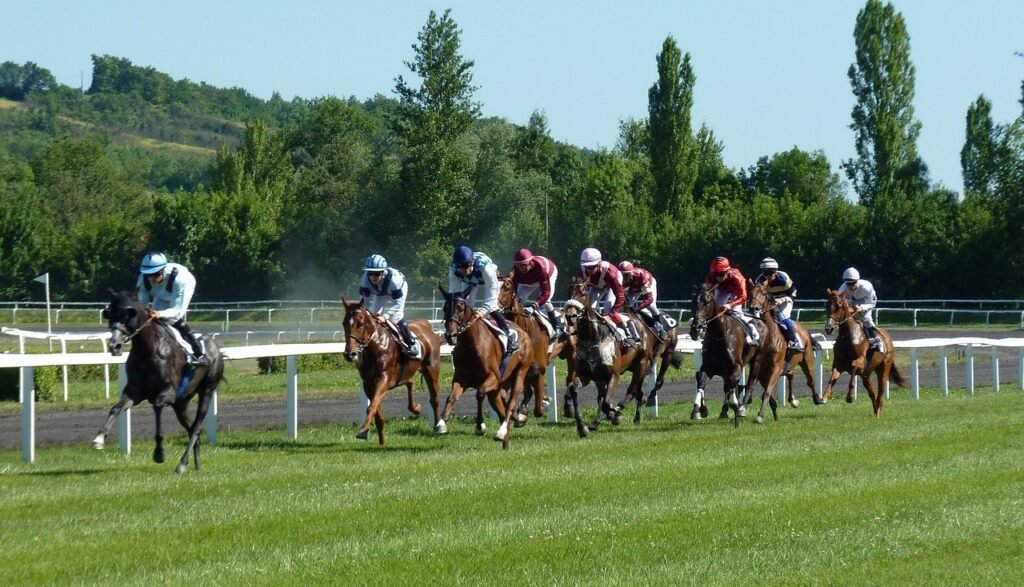
Royal Ascot returns from Tuesday 16 June to Saturday 20 June 2026, bringing five days of Flat racing, fashion, tradition and high-class sport back to Ascot Racecourse. It remains one of the most recognisable events in the British summer calendar, not only because of the horses on show, but because of the atmosphere around the meeting.
For racing fans, Royal Ascot is a week where every day has its own rhythm. For casual racegoers, it is often a social occasion as much as a sporting one. The wider interest around the meeting also brings attention from racing media, hospitality firms, fashion outlets and platforms such as BetAhoy, where betting is part of the broader conversation around major racing events without being the only reason people follow the action.
What makes Royal Ascot different is its mix of elite competition and occasion. A normal race meeting can be judged almost entirely on the card. Royal Ascot is judged on the racing, the setting, the crowd, the royal procession, the dress code and the sense that each afternoon has its own place in the week.
A meeting built around quality
Royal Ascot is not just famous because it is old or well attended. It has kept its status because the racing remains strong. The meeting attracts leading trainers, jockeys, owners and horses from Britain, Ireland and further afield.
The programme includes major Group races, competitive handicaps, two-year-old contests and staying races. That range gives the week its shape. Some races are about raw speed. Others are about stamina, balance, experience or tactical patience.
Opening day usually sets the tone with high-class action and a sense of expectation. Gold Cup day brings one of the great staying races of the Flat season. The final Saturday closes the meeting with another strong crowd and a card that often feels more relaxed, but still deeply competitive.
Why the Ascot setting matters
Ascot Racecourse gives the meeting part of its identity. The grandstand, parade ring, straight mile and wide track all help create a clear sense of place. For many people, a day at Royal Ascot is remembered as much for arriving at the course, seeing the horses in the paddock and watching the crowd build as it is for the race results.
The setting also changes how the racing feels. Ascot is a demanding track, especially in strongly run races. Horses need pace, balance and the ability to handle pressure. In big-field races, position can matter. On the straight course, different groups can form across the track, which adds to the drama for spectators.
For newcomers, the parade ring is one of the best places to understand the event. It gives people a chance to see the horses up close, watch the jockeys mount and feel the tension rise before each race.
Fashion remains part of the story
Royal Ascot has always been about more than racing. Fashion is one of the reasons the event reaches a wider audience each year. Hats, dresses, morning suits and formalwear are part of the spectacle, especially in the more traditional enclosures.
That does not make the event less sporting. It simply gives it a broader character. Some people attend mainly for the racing. Others go for the day out, the hospitality, the people-watching and the sense of occasion. Most experience a mixture of all those things.
The dress code also helps preserve the meeting’s distinctive tone. In an age when many events have become more casual, Royal Ascot still feels deliberately formal. That is part of its appeal.
The royal procession gives the week its signature moment
Each day of Royal Ascot traditionally begins with the royal procession, a short but symbolic part of the afternoon. It is one of the details that makes the meeting feel different from other race days.
For some spectators, it is a highlight. For others, it is simply part of the background. Either way, it contributes to the sense of ceremony that surrounds the event.
Royal Ascot has managed to hold onto that tradition while still functioning as a modern sporting festival. That balance is not easy. Too much ceremony could make the event feel distant. Too little would remove part of what makes it unique.
A major week for racing professionals
Behind the public side of Royal Ascot is a serious week for racing yards. Trainers plan campaigns around the meeting. Owners dream of having a runner good enough to compete there. Jockeys know that a Royal Ascot winner can be one of the defining moments of a season.
Stable staff also play a huge role. Horses do not arrive ready for Royal Ascot by accident. The work begins long before the meeting, with daily care, exercise, travel planning and preparation. The polished version seen in the parade ring is the result of months of routine and attention.
That human work is easy to miss during a busy race day, but it is central to the event.
International runners add to the appeal
Royal Ascot often attracts international runners, particularly in the sprint races. That gives the meeting extra interest because different racing styles meet on the same stage.
A horse travelling from overseas must handle the journey, the course, the ground and the occasion. When an international runner performs well, it adds to the global reputation of the meeting. It also gives racegoers a chance to see horses they might not normally watch during the British season.
This international element helps Royal Ascot feel larger than a domestic racing festival. It is part of the world racing calendar, not only the British one.
Why casual fans still connect with Royal Ascot
One of Royal Ascot’s strengths is that it does not rely only on regular racing followers. People who rarely attend a race meeting still recognise it. They may know the hats, the royal link, the summer timing or the Gold Cup, even if they do not follow form closely.
That matters for the sport. Racing needs events that can reach beyond its core audience. Royal Ascot does that better than most. It gives newcomers a reason to attend, watch, read and ask questions.
For first-time visitors, the day can feel busy at first. There are races to follow, enclosures to navigate, food and drink options, dress rules and crowds to manage. But that is also part of the experience. Royal Ascot feels like an event because there is always something happening.
A week that still earns its place
Royal Ascot has history, but history alone would not be enough. The meeting still matters because it combines strong racing with a setting and atmosphere that people remember.
It is formal without being dull, traditional without being frozen, and competitive without losing its social character. That blend is why it remains one of the standout fixtures of the British summer.
When Royal Ascot begins in June 2026, attention will naturally turn to the horses, the outfits, the royal procession, the crowds and the stories that develop across the five days. Some people will follow every race in detail. Others will simply enjoy the occasion.
Both approaches are part of what keeps the meeting alive. Royal Ascot is not only a race week. It is a sporting event with its own culture, and that is why it continues to stand apart.