
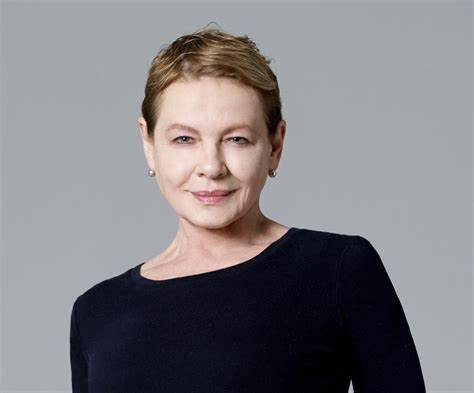
Dianne Wiest, a name synonymous with captivating performances and effortless versatility, has graced screens for over five decades. Her career, a tapestry woven with comedic brilliance, dramatic depth, and a quiet intensity, defies easy categorization. Wiest is not just an actress; she’s a chameleon, transforming into each character with a nuance that resonates long after the credits roll.
Born in Kansas City, Missouri in 1948, Wiest nurtured a love for theatre from a young age. She honed her craft at the University of Maryland, College Park, before moving to New York City to pursue her passion. The city’s vibrant theatre scene became her training ground, where she cut her teeth on off-Broadway productions.
Wiest’s screen debut came in 1975 with a small role in “Stagestruck,” but it was her collaboration with the legendary filmmaker Woody Allen that truly launched her career. Allen, known for his keen eye for talent, cast her in a string of films that showcased her comedic timing and ability to navigate his signature blend of humor and neurosis.
A Flourishing Partnership with Woody Allen:
Their first collaboration, “Interior Design” (1978), was a short film, followed by a supporting role in “Hannah and Her Sisters” (1986). Wiest’s performance as Holly, a lovelorn actress caught in a messy love triangle, earned her critical acclaim and the first of her two Academy Award nominations.
The following year, in “Radio Days” (1987), she portrayed a charmingly ditzy mother, imbuing the role with a sweetness that disarmed even the most cynical viewer. It was in “Bullets Over Broadway” (1994) that Wiest truly shone. Her portrayal of Helen Sinclair, a fading Hollywood star clinging to relevance, was a masterclass in comedic acting. Wiest’s portrayal of Helen’s desperation and vulnerability was both hilarious and heartbreaking, earning her the Academy Award for Best Supporting Actress.
Beyond the humor, Wiest brought a depth to Allen’s female characters that resonated with audiences. In “September” (1987), she played a woman grappling with infidelity, and in “Alice” (1990), she embodied a disillusioned housewife seeking a spark in her life. Wiest’s ability to navigate the complexities of these characters solidified her reputation as a versatile actress.

Beyond Woody Allen:
While her work with Allen garnered much recognition, Wiest’s talent extended far beyond his films. She displayed her dramatic chops in films like “Footloose” (1984), where she played the uptight Reverend’s wife yearning to loosen up, and in “Edward Scissorhands” (1990), delivering a poignant performance as Peg Boggs, the Avon lady who takes a chance on a misunderstood young man.
In “Life with Mikey” (1993), Wiest took on the role of a single mother navigating the complexities of raising a son with Tourette Syndrome. Her portrayal was both heartbreaking and hopeful, earning her a Golden Globe nomination.
Wiest continued to showcase her range throughout the 1990s and 2000s. She lent her voice to the animated film “Practical Magic” (1998) and brought warmth and humor to the role of Marmee in “Little Women” (1994). Her comedic talent was again on display in the critically acclaimed “The Birdcage” (1996) and “Quills” (2000).
Embracing the Stage and Television:
Wiest never strayed far from her theatrical roots. While her film career flourished, she continued to grace the stage, earning both acclaim and awards for her performances. She won a Tony Award for her role in Yasmina Reza’s “Salting the Wound” in 2005 and a Drama Desk Award for Edward Albee’s “A Delicate Balance” in 1996.
In recent years, Wiest has embraced television, delivering captivating performances in shows like “In Treatment” (2008), “The Good Wife” (2011-2016), “Life in Pieces” (2015-2019), and “Mare of Easttown” (2021). Her portrayal of Helen in “Life in Pieces” earned her an Emmy nomination in 2016, further solidifying her status as a powerhouse actress across mediums.
The Essence of Dianne Wiest:
Dianne Wiest is more than just an accomplished actress; she’s an artist who breathes life into every character she portrays. Her performances are characterized by a quiet intensity, a naturalism that makes her characters feel authentic and relatable.

FAQs
When and where was Dianne Wiest born?
Dianne Wiest was born in Kansas City, Missouri, in 1948.
How did Dianne Wiest get her start in acting?
Wiest nurtured a love for theatre from a young age. After honing her craft at the University of Maryland, College Park, she moved to New York City to pursue acting. The city’s vibrant theatre scene became her training ground, where she cut her teeth on off-Broadway productions.
What was Dianne Wiest’s breakout role?
While Wiest had appeared in films before, her collaboration with Woody Allen proved to be a major turning point. Her performance as Holly in “Hannah and Her Sisters” (1986) earned her critical acclaim and her first Academy Award nomination.
How many Academy Awards does Dianne Wiest have?
Dianne Wiest has won one Academy Award for Best Supporting Actress for her portrayal of Helen Sinclair in Woody Allen’s “Bullets Over Broadway” (1994). She received another nomination for her earlier role in “Hannah and Her Sisters” (1986).
Is Dianne Wiest known only for her work with Woody Allen?
Absolutely not! While her work with Allen garnered much attention, Wiest has excelled in a diverse range of films. From the dramatic intensity of “Footloose” (1984) to the whimsical charm of “Edward Scissorhands” (1990), she has consistently delivered captivating performances.
What are some of Dianne Wiest’s notable television roles?
In recent years, Wiest has embraced television, captivating audiences in shows like “In Treatment” (2008), “The Good Wife” (2011-2016), “Life in Pieces” (2015-2019), and the critically acclaimed “Mare of Easttown” (2021). Her performance as Helen in “Life in Pieces” earned her an Emmy nomination in 2016.
Does Dianne Wiest also perform on stage?
Yes! Wiest has never strayed far from her theatrical roots. Throughout her career, she has graced the stage, earning prestigious awards like the Tony Award for her role in “Salting the Wound” (2005) and the Drama Desk Award for “A Delicate Balance” (1996).
Dianne Wiest’s career is a testament to her unwavering dedication to her craft. She has traversed genres with ease, captivating audiences with her comedic timing, dramatic depth, and the ability to imbue every role with a quiet strength.
From the early days on stage to her celebrated collaborations with Woody Allen and her captivating performances on television, Wiest has consistently delivered work that resonates and inspires.
To read more, Click here