
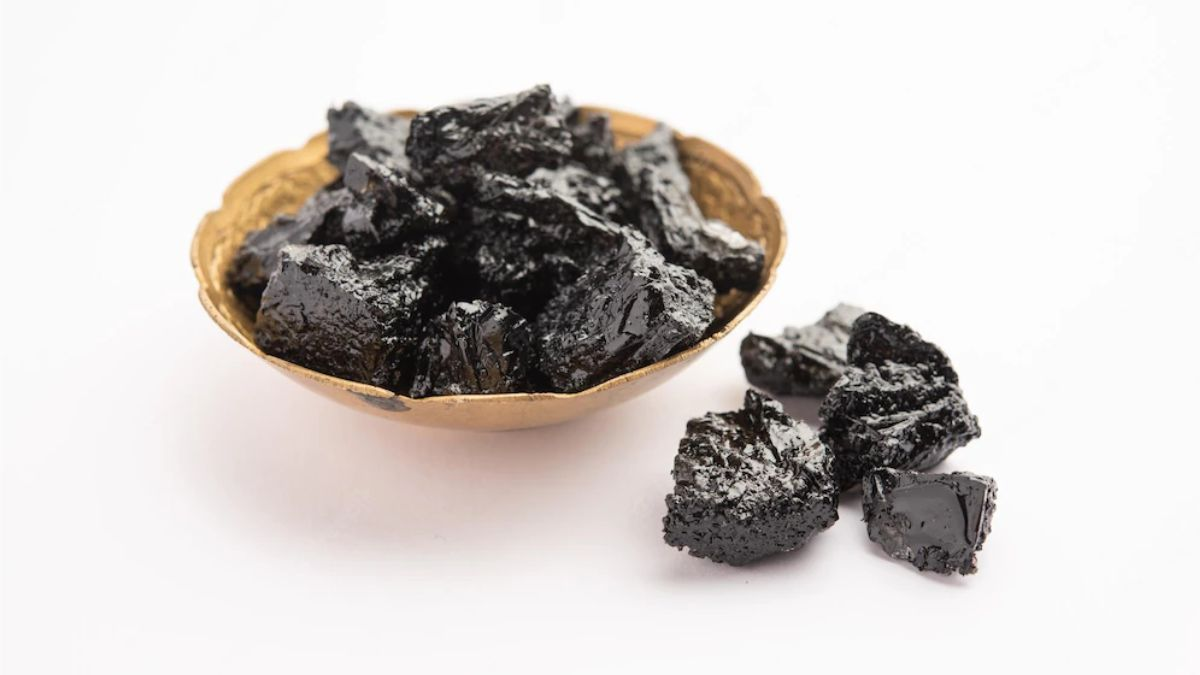
Nestled in the majestic Himalayas lies a dark, tar-like substance shrouded in myth and legend: Shilajit. For centuries, this organic mineral compound has been a staple of Ayurvedic medicine, used to treat a wide range of ailments. But what exactly is Shilajit, and does modern science support its ancient claims?
This article delves into the origins, composition, potential benefits, and safety considerations of this intriguing Himalayan treasure.

A Gift from the Mountains: The Formation of Shilajit
The origins of Shilajit remain a subject of debate. Traditionally, it is believed to form over centuries through the slow decomposition of plants interacting with rock minerals in the harsh Himalayan environment. Microbial activity also likely plays a role in this complex process. The resulting resin oozes from rock crevices, collected and purified for medicinal use.
A Rich Tapestry of Elements: The Composition of Shilajit
Shilajit’s complex composition contributes to its reputation as a versatile natural remedy. It contains over 80 minerals, including humic and fulvic acids, as well as trace amounts of vitamins, enzymes, and secondary plant compounds. Here’s a closer look at some key components:
Humic and Fulvic Acids: These organic acids are thought to enhance the absorption of other nutrients in it.
Fulvic Acid: This specific acid may possess antioxidant and anti-inflammatory properties.
Minerals: It contains essential minerals like iron, calcium, magnesium, and potassium, potentially supporting various bodily functions.

Ancient Wisdom Meets Modern Science: Exploring the Potential Benefits of Shilajit
It has been used in Ayurveda to treat a vast array of conditions, from fatigue and wounds to altitude sickness and infertility. While more research is needed, some promising areas of study include:
Antioxidant and Anti-inflammatory Effects: Fulvic acid in Shilajit may help combat oxidative stress and inflammation associated with chronic diseases.
Improved Physical Performance: Studies suggest Shilajit may enhance muscle recovery and reduce fatigue during exercise.
Cognitive Benefits: It may improve memory and learning due to its antioxidant properties and potential neuroprotective effects.
Blood Sugar Control: Early research indicates it may help regulate blood sugar levels. To validate this advantage, more research is necessary.

A Note of Caution: Safety Considerations for Shilajit
While generally considered safe for healthy adults in recommended doses, there are some important considerations for use:
Quality Control: Due to the lack of standardization, the quality and composition of Shilajit supplements can vary greatly. Choose high-quality brands from reputable sources.
Potential Contaminants: It can be contaminated with heavy metals or bacteria during collection or processing. Look for third-party tested supplements.
Side Effects: Some people may experience digestive issues like diarrhea or cramping with high doses.Start with a low dose and gradually increase to assess tolerance.
Drug Interactions: Shilajit may have an adverse effect on blood thinners and diabetes drugs, among other prescriptions. Consult a doctor before use if taking any prescription drugs.
Pregnancy and Breastfeeding: It is not recommended during pregnancy or breastfeeding due to a lack of safety data.
The Future of Shilajit: Research and Responsible Use
Shilajit remains an enigmatic substance with a long history of traditional use. While promising initial research exists, more high-quality clinical trials are needed to fully understand its potential benefits and risks. If you consider trying Shilajit, consult a healthcare professional versed in herbal remedies to discuss its suitability for your individual needs and ensure safe use.
Beyond the Physical: The Role of Shilajit in Ayurveda
While modern science focuses on isolating active compounds and their physiological effects, Ayurveda views Shilajit holistically. It’s believed to possess adaptogenic properties, helping the body adapt to stress and promote overall balance and wellbeing. Shilajit is also considered a source of ojas, the subtle essence of vitality in Ayurveda.
Traditional Uses and Preparations
In Ayurvedic practice, Shilajit is used in various forms, often depending on the specific condition being addressed. Here are a few examples:
Purified Powder: Mixed with warm water or milk, it can be consumed orally to improve energy levels and digestive function.
External Applications: Shilajit paste may be applied topically to wounds to promote healing or used in ointments for skin conditions.
The Ethical Wildcrafting Movement
The growing demand for Shilajit has raised concerns about over-harvesting and environmental impact. Ethical wildcrafting practices are crucial to ensure the sustainability of this precious resource. Look for brands committed to sustainable sourcing and supporting Himalayan communities.
Conclusion: A Journey of Discovery
Shilajit is a unique gift from nature, a potent blend of ancient wisdom and modern scientific inquiry. As research expands our understanding of its potential, responsible use and a commitment to sustainability are essential for harnessing the benefits of this intriguing Himalayan treasure. Whether you approach It from a traditional Ayurvedic perspective or a modern scientific lens, it represents a fascinating journey of discovery into the healing power of nature.
FAQs
Shilajit has long aroused interest since it resembles tar and is found in the Himalayan rocks. The most frequently asked questions concerning this natural chemical are broken down here:
What exactly is Shilajit?
It is a sticky, blackish-brown resin formed over millennia from the gradual decomposition of plants and organic matter within the Himalayan rocks. It’s a complex mixture containing humic and fulvic acids, minerals, trace elements, and organic compounds.
What are the purported health benefits of Shilajit?
For generations, Shilajit has been a part of traditional Ayurvedic therapy.. Modern research is exploring its potential benefits, but much remains inconclusive. Here’s what some studies suggest:
Increased Energy Levels: It might enhance energy production within cells, potentially reducing fatigue.
Antioxidant Effects: The fulvic acid content in Shilajit might have antioxidant properties, protecting cells from damage.
Improved Cognitive Function: Early research suggests it may benefit memory and cognitive function, but more studies are needed.
Boosted Testosterone Levels: Some studies suggest Shilajit might improve testosterone levels in men, although the evidence is weak.
Remember: These are potential benefits, and Shilajit is not a miracle cure. Consult a healthcare professional before using it.
Is Shilajit safe to consume?
Shilajit is generally considered safe for most healthy adults when taken in moderate doses. However, there are some potential side effects:
Digestive Issues: It might cause nausea, diarrhea, or stomach upset in some individuals.
Heavy Metal Contamination: Low-quality Shilajit may contain trace amounts of heavy metals. Opt for reputable sources.
Drug Interactions: It might interact with certain medications. If you are on medication, speak with your doctor before using.
Where can I find Shilajit?
It is available as a powder, capsule, or liquid extract at health food stores and online retailers. Be cautious and choose reputable brands that test for purity and heavy metal content.
Do YouTube videos on Shilajit offer reliable information?
While YouTube can provide a starting point, be wary of exaggerated claims or miracle cures. Look for videos from credible sources like health professionals or science communicators.
What are some good resources to learn more about Shilajit?
National Institutes of Health (NIH): https://www.nih.gov/ provides information on various health topics, including complementary and alternative medicine. Search for it
WebMD: https://www.webmd.com/ offers a balanced perspective on it, including potential benefits and side effects.
Mayo Clinic: https://www.mayoclinic.org/ is a trusted source for medical information. Search for it to see if they have any information available.
Remember: Shilajit is a natural substance with a long history of use, but scientific research on its effectiveness is ongoing. Consult your doctor before incorporating it into your health regimen.
To read more, Click Here.