
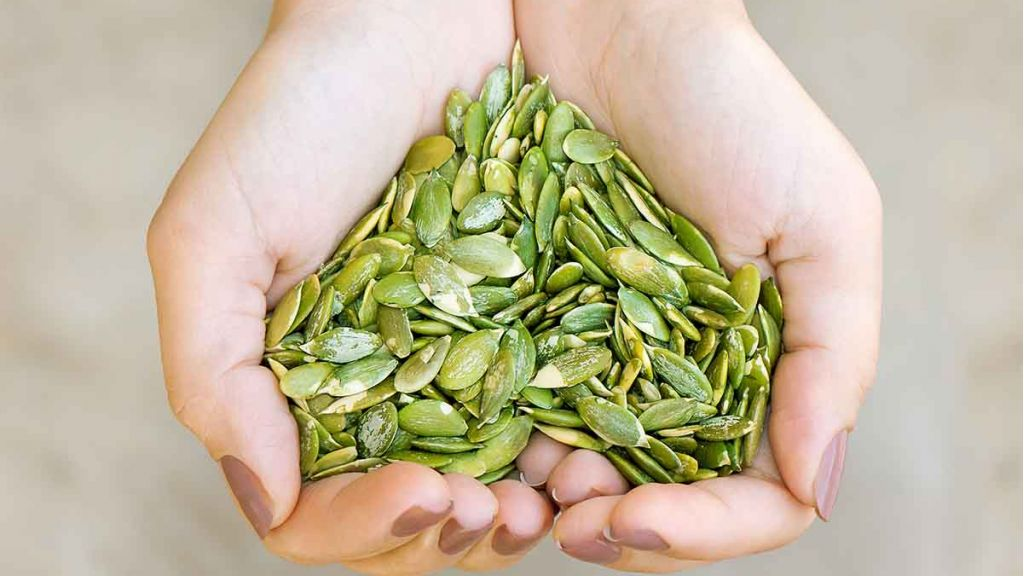
Pumpkin seeds, those delightful green nuggets nestled within everyone’s favorite fall gourd, are more than just a tasty seasonal treat. Packed with a surprising array of nutrients, pumpkin seeds have been touted for their potential health benefits for centuries.
This article delves into the science behind pumpkin seeds, exploring their nutritional content, potential benefits, and incorporating them into your diet.

A Nutritional Powerhouse: What Makes Pumpkin Seeds So Good For You?
Pumpkin seeds, also known as pepitas, are a nutritional goldmine. A single ounce (28 grams) serving boasts an impressive array of vitamins, minerals, and healthy fats:
Essential Minerals: Pumpkin seeds are an excellent source of magnesium, phosphorus, manganese, iron, and zinc. Blood pressure regulation, blood sugar regulation, and muscle and neuron function are all significantly impacted by magnesium. Phosphorus is necessary for the synthesis of energy and healthy bones. Manganese supports a healthy metabolism and antioxidant defenses. Iron carries oxygen throughout the body, and zinc is vital for immune function and wound healing.
Healthy Fats: Pumpkin seeds are a good source of polyunsaturated fats, including linoleic acid, an essential fatty acid your body cannot produce on its own. These fats contribute to heart health and may reduce inflammation.
Plant-Based Protein: Pumpkin seeds offer a complete protein source for vegetarians and vegans, containing all nine essential amino acids, although in smaller amounts compared to animal protein sources.
Fiber: Pumpkin seeds are a good source of dietary fiber, which aids digestion, promotes feelings of fullness, and supports gut health.
Antioxidant Powerhouse: Pumpkin seeds contain various antioxidants, including carotenoids and vitamin E. Antioxidants help combat free radical damage in the body, potentially reducing the risk of chronic diseases.

Potential Health Benefits of Pumpkin Seeds: From Heart Health to Sleep
While more research is needed to fully understand the extent of their benefits, pumpkin seeds hold promise in several areas of health:
Heart Health: The combination of healthy fats, magnesium, and fiber in pumpkin seeds may contribute to improved heart health by lowering bad (LDL) cholesterol and blood pressure.
Blood Sugar Control: Magnesium and fiber in pumpkin seeds may help regulate blood sugar levels, potentially benefiting those with prediabetes or type 2 diabetes.
Bone Health: The presence of minerals like magnesium, phosphorus, and zinc in pumpkin seeds may contribute to stronger bones and a reduced risk of osteoporosis.
Improved Sleep: Pumpkin seeds are a natural source of tryptophan, an amino acid converted into the sleep hormone melatonin. Consuming pumpkin seeds may promote better sleep quality.
Anti-inflammatory Effects: Early research suggests pumpkin seed extract may possess anti-inflammatory properties, potentially aiding conditions like arthritis and inflammatory bowel disease.
Prostate and Bladder Health: Pumpkin seeds have been traditionally used to support prostate and bladder health in men. While the exact mechanisms are not fully understood, some studies suggest pumpkin seed oil may improve symptoms of benign prostatic hyperplasia (BPH).
Important Considerations: Moderation is Key
Despite their numerous benefits, it’s important to remember moderation when consuming pumpkin seeds. Here’s why:
Calorie Content: Pumpkin seeds are calorie-dense, with a single ounce packing around 150 calories. While healthy, mindful portion control is key to avoid exceeding your daily calorie needs.
Saturated Fat: While pumpkin seeds are primarily a good fat source, they also contain a small amount of saturated fat. If you have concerns about saturated fat intake, discuss it with your doctor.

Incorporating Pumpkin Seeds into Your Diet: Easy and Delicious Ways to Enjoy
Pumpkin seeds are a versatile ingredient that can be easily incorporated into your diet in various ways:
Snacking: Enjoy them raw, roasted with a sprinkle of your favorite spices (think cinnamon, chili powder, or garlic powder), or coated with a thin layer of dark chocolate for a sweet and healthy treat.
Salads and Soups: Add a delightful crunch and a nutritional boost to salads, soups, and stews.
Yogurt and Oatmeal: Sprinkle them over yogurt, oatmeal, or granola for added protein, healthy fats, and a satisfying texture.
Baking: Use pumpkin seeds in baking muffins, breads, cookies, or energy bars for a dose of extra nutrients.
Homemade Nut Butter: Blend pumpkin seeds with other nuts or seeds to create a delicious and nutritious homemade nut butter.
FAQs
Pumpkin seeds, those little green nutritional gems nestled within your favorite fall gourd, offer a surprising range of health benefits. Here’s a breakdown of the top questions people are searching about these mighty seeds:
Why are pumpkin seeds so good for you?
Pumpkin seeds are a concentrated source of essential nutrients, including:
Healthy Fats: Rich in polyunsaturated fats, good for heart health.
Magnesium: Crucial for bone health, muscle function, and blood sugar control.
Zinc: Important for immune function and cell growth.
Iron: Helps carry oxygen throughout your body.
Protein: Provides building blocks for your body’s tissues.
Fiber: Aids digestion and promotes gut health.
Antioxidants: Combat free radicals and reduce inflammation.
What are the health benefits of eating pumpkin seeds?
The nutrients in pumpkin seeds offer a range of potential health benefits:
Improved Heart Health: The healthy fats and antioxidants in pumpkin seeds may help lower bad cholesterol and reduce the risk of heart disease.
Boosted Immunity: Zinc and antioxidants in pumpkin seeds can strengthen your immune system and help fight off infections.
Enhanced Prostate Health: Some studies suggest pumpkin seed oil may improve symptoms of an enlarged prostate.
Better Blood Sugar Control: Pumpkin seeds may help regulate blood sugar levels, potentially beneficial for those with diabetes.
Improved Sleep: Pumpkin seeds contain tryptophan, an amino acid that converts to serotonin and melatonin, hormones that promote sleep.
Stronger Bones: Magnesium in pumpkin seeds contributes to bone health and density.
How many pumpkin seeds should I eat daily?
A moderate serving of pumpkin seeds, around 1 ounce (28 grams), is a great way to reap the benefits without overdoing it.
How can I include seeds from pumpkin in my diet?
Pumpkin seeds are a versatile ingredient! Here are some ideas:
Snack on them raw or roasted.
Sprinkle them on salads, yogurt, or oatmeal.
Add them to granola bars or trail mix.
Apply them as a coating for fish or poultry.
Blend them into smoothies to provide extra nutrients and protein.
Does consuming pumpkin seeds have any negative effects?
Pumpkin seeds are generally safe for most people in moderation. However, excessive consumption could lead to digestive issues due to their high fiber content. Additionally, people with allergies to nuts or seeds should be cautious, as pumpkin seeds might trigger allergic reactions.
Do YouTube videos discuss pumpkin seed benefits?
Yes, many YouTube videos explore the health benefits of pumpkin seeds. However, remember to approach information critically and prioritize videos from reputable sources like health professionals or registered dietitians.
Where can I find reliable information about pumpkin seed nutrition?
Reputable health websites like Mayo Clinic or Harvard Health provide evidence-based information on pumpkin seeds and their nutritional value.
Government resources like the USDA National Nutrient Database offer detailed nutritional breakdowns of pumpkin seeds.
Remember: Pumpkin seeds are a delicious and nutritious addition to your diet. By incorporating them in moderation and consulting with a healthcare professional if needed, you can unlock the many health benefits these tiny powerhouses offer.
To read more, Click Here.