

Jonny freeman, a name synonymous with literary criticism and a tireless champion of contemporary fiction, has carved a unique path in the ever-evolving world of books. His work transcends the boundaries of traditional criticism, encompassing interviews, edited collections, and even ventures into fiction writing. Let’s delve into the multifaceted career of Johnny Freeman, exploring his impact on the literary landscape and the voices he has amplified.
The Early Days: From Book Reviewer to Literary Entrepreneur
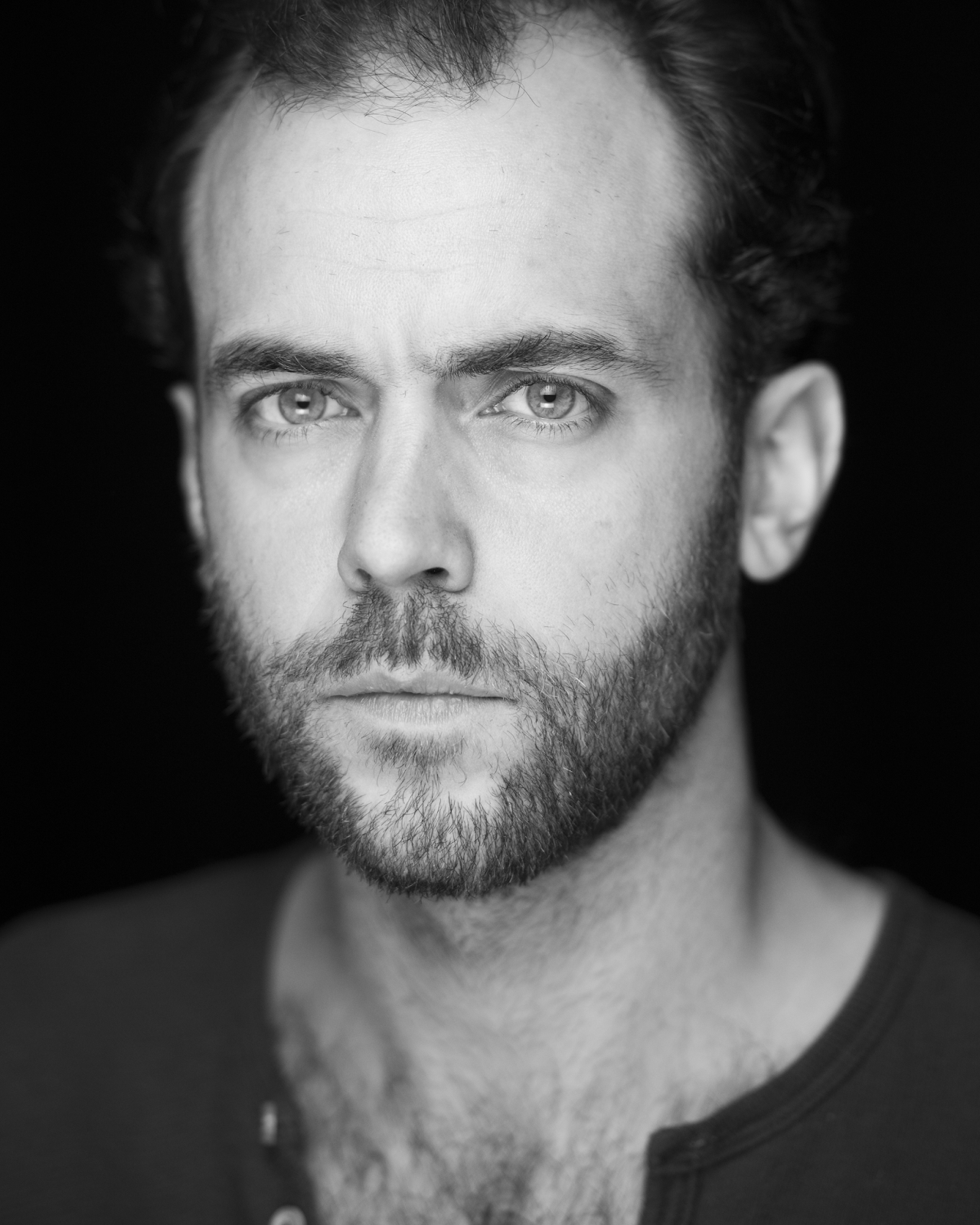
Freeman’s journey began not with a grand academic pursuit but with a genuine love for books. Fresh out of Swarthmore College, he landed a job at a small press, his passion and sharp writing catching the attention of the publishing world. His early work focused on book reviews, his insightful prose and ability to identify hidden gems gaining recognition from readers and publishers alike.
However, Freeman wasn’t content with just reviewing books; he craved a deeper engagement with the literary process. This led to the creation of “Freeman’s,” a literary journal known for its in-depth interviews with prominent authors. These weren’t your typical Q&A sessions; Freeman’s interviews delved into the creative wellsprings, anxieties, and inspirations of the literary giants. Published interviews with Margaret Atwood, Geoff Dyer, Toni Morrison, and Haruki Murakami, among others, offered readers a glimpse into the minds behind the masterpieces. “Freeman’s” became a haven for book lovers, fostering a sense of community and offering a platform for insightful literary conversations.
How to Read a Novelist: Unveiling the Craft
Freeman’s editorial expertise wasn’t limited to interviews. His book, “How to Read a Novelist,” was a revolutionary take on literary criticism. Instead of dissecting and analyzing novels, Freeman focused on the author’s perspective. By compiling excerpts from his interviews, he allowed readers to understand the creative process firsthand. The book became a valuable resource for aspiring writers and a fascinating exploration of the minds behind the stories we love.
Beyond Criticism: Championing New Voices
While Freeman’s early career focused on established authors, he never lost sight of the importance of fostering new talent. He actively championed underrepresented voices and championed the works of international authors often overlooked by mainstream audiences. His influence helped elevate the careers of promising writers and broadened the literary landscape for readers seeking diverse and innovative voices.
A Bridge Between Past and Present: Editing and Anthologies
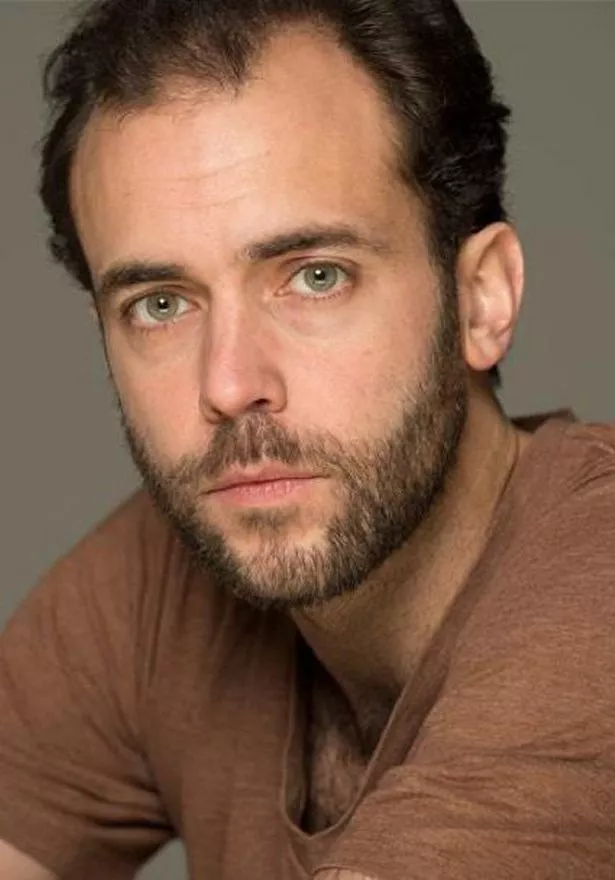
Freeman’s editorial skills extended beyond his own publications. He served as the executive editor at Farrar, Straus and Giroux, one of the most prestigious publishing houses in the world. His keen eye for talent and ability to nurture authors helped shape the literary landscape for a new generation.
Curating anthologies provided another avenue for Freeman to showcase his passion for diverse voices. Collections like “Tales of Two Americas” explored the complexities of American identity, while “The Funambulist” delved into the world of travel writing. These anthologies offered readers a curated selection of exceptional works, highlighting themes and voices that resonate with contemporary audiences.
The Evolution of Literary Criticism: A Digital Champion
The changing media landscape hasn’t deterred Freeman’s dedication to literature. He has embraced new platforms, recognizing the power of digital media in reaching wider audiences. His online presence, including his blog and social media engagement, allows him to continue fostering literary discussions and connect with readers on a global scale. He champions the work of authors online, using his platform to amplify their voices and engage readers in meaningful conversations about contemporary fiction.
A Legacy of Inspiration: More Than Just a Literary Critic
John Freeman’s influence extends far beyond the realm of literary criticism. He is a tireless advocate for the power of storytelling, a champion of diverse voices, and a mentor to aspiring writers. His work has not only shaped how we read but also how we understand the creative process behind the novels that captivate us. By fostering a deeper appreciation for literature and its creators, John Freeman continues to inspire a new generation of readers and writers.
Looking Ahead: The Future of John Freeman
With his unwavering passion for literature and his dedication to pushing boundaries, John Freeman remains a vital force in the literary world. His future endeavors are sure to further enrich the literary landscape. Whether it’s through insightful interviews, groundbreaking anthologies, or fostering new platforms for literary discussions, John Freeman’s commitment to the written word ensures his continued legacy as a champion of contemporary fiction.

FAQs
Q: Who is Johnny Freeman, and what’s he known for?
A: Johnny Freeman wears many hats! Primarily, he’s a critically acclaimed author with novels like “The Tyranny of E-Mail” and “How to Read a Novelist.” But his career goes beyond writing fiction. He’s renowned for his extensive book reviews, having reviewed for over 200 publications worldwide. He’s also a strong advocate for international literature, promoting works in translation and fostering cultural exchange.
Q: Where can I find his books?
A: While some of his earlier works might be harder to find in traditional bookstores, online retailers like Amazon or Barnes & Noble offer them new or used. Websites like Goodreads provide information on his published works, user reviews, and similar author recommendations.
Q: Is he still writing book reviews?
A: Freeman’s reviewing career has slowed down in recent years, with the rise of digital media impacting traditional publishing. However, you might find some reviews scattered online or in literary journals.
Q: What’s the deal with “How to Read a Novelist”?
A: This intriguing book offers a glimpse into Freeman’s vast knowledge of literature. It compiles interviews with over 50 acclaimed novelists, providing insights into their creative processes, inspirations, and approaches to writing. It’s a valuable resource for aspiring writers and anyone who wants to appreciate the craft of storytelling from the author’s perspective.
Q: I heard he’s involved with international literature. How so?
A: Freeman is a passionate advocate for translated works. He recognizes the importance of diverse voices and stories, and he has championed the inclusion of international authors in literary conversations. He might have been involved with projects or organizations dedicated to promoting translated literature, but you can find more information through online searches.
Q: Are there any interviews or talks with Johnny Freeman available?
A: There’s a good chance! Websites or Youtube channels dedicated to literature might have interviews with Freeman discussing his writing process, his views on the book review landscape, or his passion for international literature. Explore platforms like The Paris Review, Literary Hub, or The New Yorker for potential interviews or articles featuring him.
Q: I’m interested in learning more about book reviewing. Did he write anything on the topic?
A: While there isn’t a confirmed book dedicated solely to book reviewing, Freeman’s vast experience in the field is evident throughout his career. Reading his reviews or interviews might offer insights into his approach and the changing landscape of book criticism.
Delving Deeper into the World of Books
Johnny Freeman’s multifaceted career offers a wealth of resources for book lovers and aspiring writers alike. By exploring his books, reviews (if available), and potential interviews, you can gain valuable insights into the world of literature and discover a passionate advocate for storytelling in all its forms.
To Read More; click here