
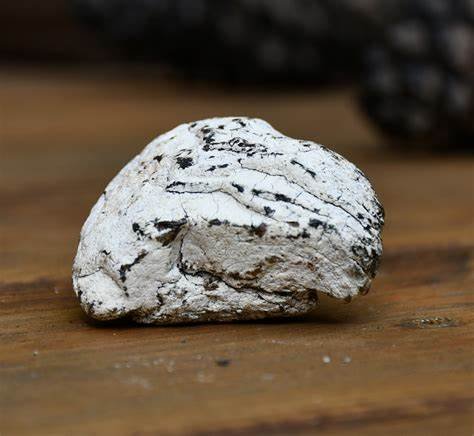
Ambergris, often referred to as “floating gold,” is a rare and highly valuable substance produced in the digestive systems of sperm whales. While initially considered a waste product, it has captivated humans for centuries due to its unique properties and captivating aroma.
What is Ambergris?
Ambergris is a solid, waxy, flammable substance produced in the digestive systems of sperm whales. It’s formed when the whale’s digestive system cannot process the hard beaks of squid and cuttlefish it consumes. These indigestible parts become coated in bile and other substances, forming a solid mass that can remain in the whale’s intestines for years.
How is Ambergris Formed?
The exact process of ambergris formation is still not fully understood. However, scientists believe it begins when the whale’s digestive system cannot process the hard beaks of squid and cuttlefish it consumes. These indigestible parts become coated in bile and other substances, forming a solid mass.
Initially, ambergris is a dark, tar-like substance with a strong, unpleasant odor. However, over time, as it floats in the ocean, it undergoes a remarkable transformation. Exposure to sunlight, air, and seawater causes the ambergris to harden and oxidize, gradually developing its distinctive, earthy, and musky aroma.
Properties of Ambergris
Color: Ambergris can vary in color from dark brown or black to gray, white, or even yellow.
Texture: It can range from a soft, waxy consistency to a hard, brittle substance.
Odor: Fresh ambergris has a strong, unpleasant fecal odor. However, as it ages and oxidizes, it develops a unique, earthy, and musky aroma that is highly prized in perfumery.
Uses of Ambergris
Perfumery: Ambergris is highly valued in the perfume industry due to its unique fragrance and its ability to fix and enhance other scents. It’s used to create long-lasting and complex perfumes.
Medicine: Historically, ambergris was used in traditional medicine to treat various ailments, including headaches, stomach problems, and even depression.
Aphrodisiac: Ambergris has been used as an aphrodisiac in some cultures.
Incense: It has been used in incense and as a room freshener.
Finding and Harvesting Ambergris
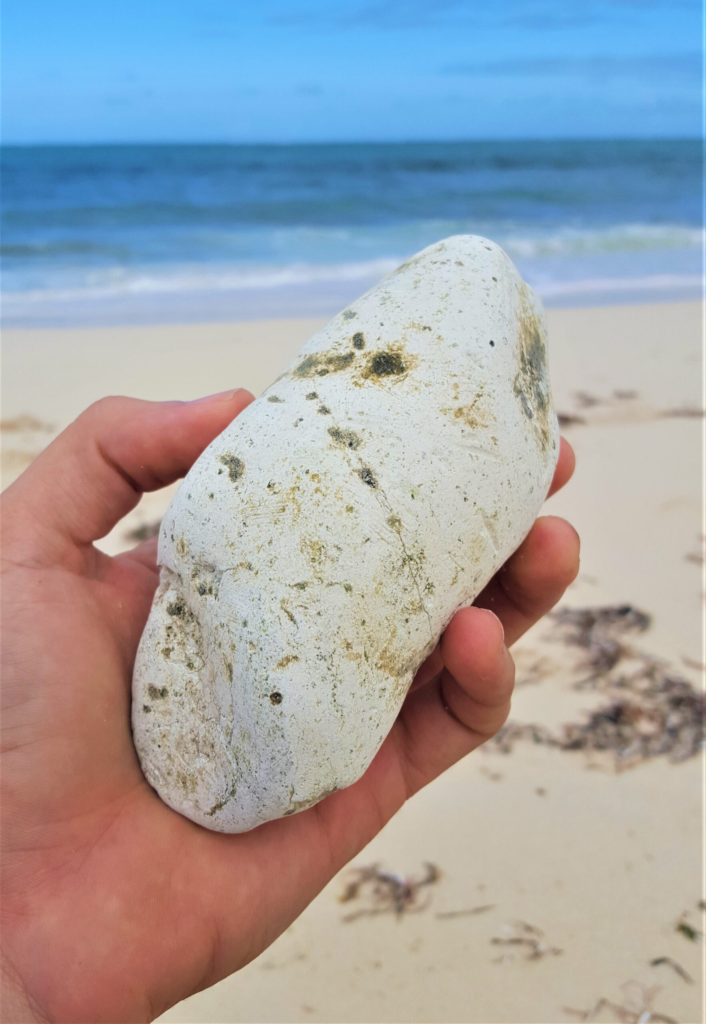
Finding ambergris is a rare and challenging endeavor. It’s often discovered washed ashore on beaches, floating in the ocean, or found in the stomachs of dead whales.
Beachcombers: Many pieces of ambergris are found by beachcombers who recognize its unique appearance and odor.
Whale hunters: In the past, ambergris was sometimes found in the intestines of hunted sperm whales.
The Controversy Surrounding Ambergris
While ambergris has been used for centuries, its use has become increasingly controversial due to concerns about animal welfare and conservation.
Whale Exploitation: The historical association of ambergris with whaling has raised ethical concerns about the exploitation of these magnificent creatures.
Sustainability: The harvesting of ambergris can have a negative impact on whale populations.
Animal Welfare: The formation of ambergris within a whale can cause significant discomfort and even health problems.
Chemical Composition
Ambreine: This is the primary alcohol found in ambergris, contributing significantly to its unique fragrance.
Sterols: Cholesterol and other sterols are also present in significant amounts.
Lipids: Various lipids, including fatty acids and wax esters, contribute to the waxy texture of ambergris.
Bile Acids: These are important for the emulsification of fats and play a crucial role in the digestive process. They are also present in ambergris.
Other Compounds: Ambergris also contains trace amounts of various other compounds, including alkaloids and terpenes, which contribute to its complex aroma.
Potential Health Effects
Generally Considered Safe: In small amounts and when properly handled, ambergris is generally considered safe for humans.
Respiratory Irritation: Inhaling ambergris dust can irritate the respiratory system.
Skin Irritation: Some individuals may experience skin irritation upon contact with ambergris.
Internal Consumption: Ingesting ambergris is not recommended and can have potential health risks.
The Future of Ambergris
Due to ethical and conservation concerns, the use of natural ambergris in the perfume industry is declining. Many perfumers are now turning to synthetic alternatives that replicate the unique scent of ambergris without harming whales.
Research and Future Directions
Scientific Research: Ongoing research aims to further elucidate the chemical composition of ambergris and its potential applications in various fields, including medicine and perfumery.
Therapeutic Potential: Some studies have explored the potential therapeutic properties of ambergris, but more research is needed to confirm its efficacy and safety.
Sustainable Alternatives: The development of sustainable and ethical alternatives to natural ambergris remains a crucial area of focus for the perfume industry.
Synthetic Ambergris
Synthetic ambergris, also known as ambroxan, is a synthetic compound that closely mimics the natural scent of ambergris. It is produced through chemical processes and offers a cruelty-free and sustainable alternative to the natural substance.
Conservation Efforts
Whaling Moratorium: The global moratorium on commercial whaling has significantly reduced the impact of whaling on sperm whale populations.
Conservation Organizations: Numerous organizations are dedicated to protecting whales and their habitats.
Final Thoughts
Ambergris, often referred the “floating gold,” is a fascinating and enigmatic substance with a rich history. While its use in perfumery has been controversial, the development of synthetic alternatives offers a promising path for the future. As we strive to protect whales and their habitats, it’s crucial to find ways to enjoy the unique beauty of ambergris while ensuring the long-term survival of these magnificent creatures.
FAQs
What is Ambergris?
Ambergris often referred is a solid, waxy, flammable substance produced in the digestive systems of sperm whales. It forms when the whale’s digestive system cannot process the hard beaks of squid and cuttlefish, leading to these indigestible parts becoming coated in bile and other substances, forming a solid mass.
How is Ambergris Formed?
The formation of ambergris involves a complex process within the sperm whale’s digestive system. Indigestible parts, primarily squid beaks, accumulate and become coated with bile acids, lipids, and other substances. This mixture then forms a solid mass within the whale’s intestines. Over time, this mass can be expelled from the whale and undergoes further changes as it floats in the ocean, exposed to sunlight, air, and seawater.
How to Identify Real Ambergris?
Authenticating ambergris often referred can be challenging and often requires expertise. Some traditional tests include the “hot needle” test, where a hot needle is inserted into the substance to see if it melts and releases a pleasant aroma. However, these tests are not foolproof and should be performed with caution.
To read more, Click Here