
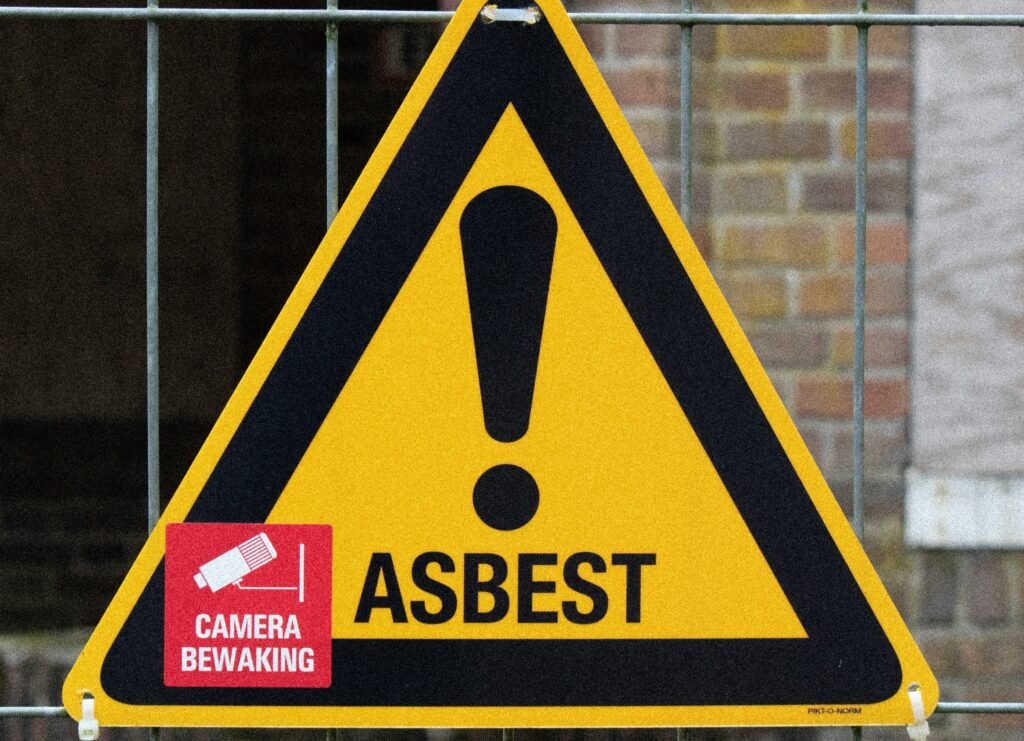
Asbestos removal is a critical process that requires careful planning and execution to ensure safety and compliance with regulations. This guide will walk you through the essential steps to effectively and safely eliminate asbestos from your property, minimizing health risks and environmental impact.
Understanding the Importance of Asbestos Removal
Asbestos, once a popular building material, is now known for its health hazards, including lung cancer and asbestosis. The importance of asbestos removal cannot be overstated, as it is crucial for maintaining a safe living and working environment. Proper removal not only protects current occupants but also ensures the safety of future generations.
Identifying Asbestos in Your Property
Before any removal process can begin, it is essential to identify the presence of asbestos in your property. This involves a thorough inspection by a qualified professional who can recognize asbestos-containing materials (ACMs). Common areas where asbestos might be found include insulation, roofing, and flooring materials.
Hiring a Professional Asbestos Removal Service
Due to the risks associated with asbestos, it is highly recommended to hire a professional asbestos removal service. These experts have the necessary training, equipment, and experience to handle asbestos safely. When selecting a service, ensure they are licensed and have a proven track record of successful asbestos removal projects.
Preparing for Asbestos Removal
Preparation is key to a successful asbestos removal process. This involves several steps to ensure the safety of both the workers and the occupants of the property. Here are some critical preparation steps:
- Clear the area of any personal belongings and furniture.
- Seal off the work area to prevent asbestos fibers from spreading.
- Ensure that all workers are equipped with appropriate personal protective equipment (PPE).
The Asbestos Removal Process
The actual removal of asbestos is a meticulous process that must be carried out with precision. Here is a step-by-step guide to the asbestos removal process:
- Wet the Asbestos: To minimize the release of fibers, the asbestos material should be thoroughly wetted before removal.
- Careful Removal: The material should be removed carefully, avoiding any breakage that could release fibers into the air.
- Sealing and Packaging: Once removed, the asbestos material should be sealed in leak-tight containers for safe disposal.
- Cleaning the Area: The work area should be cleaned using specialized equipment to ensure no asbestos fibers remain.
Disposing of Asbestos Safely
Proper disposal of asbestos is as important as its removal. Asbestos waste must be transported to a designated disposal facility that is equipped to handle hazardous materials. It is crucial to follow local regulations regarding the transportation and disposal of asbestos to avoid legal repercussions and environmental harm.
Post-Removal Inspection and Clearance
After the removal process, a thorough inspection should be conducted to ensure that all asbestos has been effectively eliminated. This inspection is typically carried out by an independent third party to provide an unbiased assessment. Once the area is deemed safe, a clearance certificate is issued, confirming that the property is free from asbestos hazards.
Maintaining a Safe Environment Post-Removal
Even after successful asbestos removal, it is important to maintain a safe environment. Regular inspections and maintenance can help prevent any future asbestos-related issues. Additionally, educating occupants about the potential risks and signs of asbestos can further enhance safety.
Conclusion: Ensuring Long-Term Safety
Effective asbestos removal is a comprehensive process that requires careful planning, professional expertise, and adherence to safety regulations. By following the steps outlined in this guide, you can ensure a risk-free and successful asbestos elimination, safeguarding the health of all occupants and the environment. Remember, when it comes to asbestos, safety should always be the top priority.