
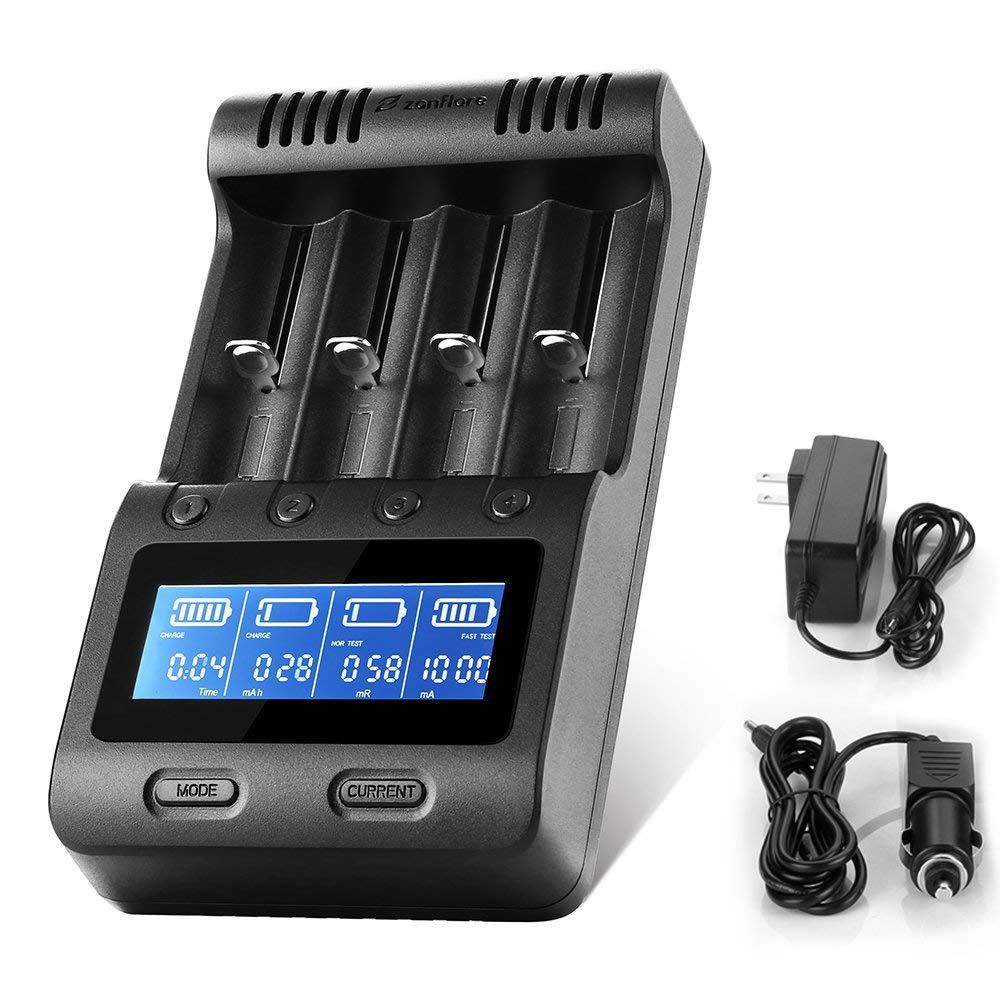
Rechargeable batteries are a practical and eco-friendly alternative to disposable ones, offering long-term savings and reduced environmental impact. However, to maximize their efficiency and lifespan, having the right battery charger is crucial. This guide provides an in-depth look at battery chargers for rechargeable batteries, helping you understand their types, features, and best practices.
What Are Battery Chargers for Rechargeable Batteries
Battery chargers for rechargeable batteries are devices designed to replenish the energy of batteries that can be used multiple times. Unlike single-use batteries, rechargeable batteries can be recharged and reused, making them a more sustainable choice. Chargers ensure that these batteries are restored to their full capacity safely and effectively.
Types of Battery Chargers
Battery chargers vary in design and functionality, each suited for different types of rechargeable batteries. Here are some of the most common types:
NiMH and NiCd Chargers
Nickel-Metal Hydride (NiMH) and Nickel-Cadmium (NiCd) batteries are popular for their reliability and performance. Chargers for these batteries typically come with the following features:
Standard Chargers: Basic chargers that can handle one or more batteries at a time. They are usually inexpensive but may not offer advanced features.
Smart Chargers: Equipped with technology to detect battery status and adjust charging accordingly. They help prevent overcharging and extend battery life.
Li-ion and Li-Poly Chargers
Lithium-Ion (Li-ion) and Lithium-Polymer (Li-Poly) batteries are commonly used in electronics like smartphones, laptops, and cameras. Chargers for these batteries often include:
Universal Chargers: Designed to work with various sizes and types of Li-ion and Li-Poly batteries. They come with adjustable slots or adapters.
Dedicated Chargers: Specifically designed for particular battery models, offering precise charging and enhanced safety features.
Lead-Acid Chargers
Lead-Acid batteries are used in larger applications, such as automotive and backup power systems. Their chargers include:
Float Chargers: Maintain the battery at a full charge level without overcharging, suitable for long-term maintenance.
Bulk Chargers: Charge batteries quickly but may require monitoring to prevent overcharging.
Features to Consider in a Battery Charger
When selecting a battery charger, consider the following features to ensure it meets your needs:
Charging Speed
Different chargers offer varying charging speeds. Some may charge batteries quickly but can generate more heat, while others may offer a slower but more gradual charge, which can be gentler on the battery.
Battery Compatibility
Ensure the charger is compatible with the type and size of rechargeable batteries you use. Some chargers are designed to handle multiple battery types and sizes, while others are more specialized.
Smart Technology
Smart chargers use advanced technology to detect battery status, adjust charging rates, and prevent overcharging. This can enhance battery lifespan and safety.
Safety Features
Look for chargers with built-in safety features, such as:
Overcharge Protection: Prevents the battery from charging beyond its capacity.
Temperature Monitoring: Ensures the battery does not overheat during charging.
Short-Circuit Protection: Guards against electrical faults that could damage the battery or charger.
User Interface
Consider the ease of use. Chargers with clear displays and intuitive controls make it easier to monitor the charging process and battery status.
Best Practices for Using Battery Chargers
To ensure optimal performance and longevity of your rechargeable batteries, follow these best practices:
Use the Correct Charger
Always use a charger that is specifically designed for your battery type. Using the wrong charger can lead to poor performance, overheating, or damage.
Avoid Overcharging
Even with smart chargers, it’s a good practice to remove batteries from the charger once they are fully charged. Overcharging can reduce battery life and efficiency.
Keep Chargers and Batteries Clean
Ensure that both the charger and batteries are free from dust and debris, which can affect charging efficiency and safety.
Store Batteries Properly
Store batteries in a cool, dry place when not in use. Avoid exposing them to extreme temperatures, which can impact their performance and lifespan.
Regular Maintenance
Periodically check and clean your charger and batteries to ensure they are functioning properly. Replace any damaged or worn-out components promptly.
Environmental and Economic Benefits
Switching to rechargeable batteries and using the right charger offers several benefits:
Cost Savings
Rechargeable batteries can be used hundreds of times, reducing the need for frequent replacements and saving money in the long run.
Environmental Impact
Using rechargeable batteries reduces the number of single-use batteries that end up in landfills, which helps minimize environmental pollution and resource depletion.
Convenience
Rechargeable batteries and their chargers provide a convenient solution for powering various devices, eliminating the need for constant battery replacements.
FAQs
What Are Smart Chargers, and Why Are They Important?
Smart chargers use advanced technology to optimize the charging process. They:
Detect Battery Type: Automatically adjust the charging mode based on the battery type and condition.
Prevent Overcharging: Stop charging once the battery is full to avoid damage and extend battery life.
Monitor Battery Health: Provide real-time information about the battery’s charge status and health, helping you avoid potential issues.
How Can I Ensure Safe and Effective Charging?
To use your battery charger safely and effectively:
Use the Correct Charger: Match the charger to your battery’s chemistry and specifications to avoid damage.
Avoid Overcharging: Even with smart chargers, it’s best to remove batteries from the charger once they are fully charged.
Keep Equipment Clean: Regularly clean the charger and battery contacts to ensure optimal performance and avoid connection issues.
What Maintenance Is Required for Battery Chargers?
Proper maintenance includes:
Regular Inspection: Check the charger and batteries for any signs of wear or damage. Replace any damaged components immediately.
Clean Contacts: Wipe down the contacts on both the charger and batteries to prevent build-up that could affect charging.
Store Properly: Keep the charger and batteries in a cool, dry place when not in use to avoid damage and degradation.
Are There Environmental Benefits to Using Rechargeable Batteries and Chargers?
Yes, there are several environmental benefits:
Reduced Waste: Rechargeable batteries decrease the number of disposable batteries that end up in landfills.
Lower Resource Consumption: By reusing batteries, you reduce the need for new materials and manufacturing processes.
Energy Efficiency: Rechargeable batteries typically have a lower overall environmental impact compared to single-use batteries, particularly when used with efficient chargers.
Choosing and using the right battery charger for rechargeable batteries involves understanding the types of chargers available, ensuring compatibility with your batteries, and adhering to best practices for safe and effective charging. Smart chargers with advanced features can enhance battery performance and lifespan, while proper maintenance and environmental benefits highlight the advantages of using rechargeable batteries.
To read more, click here