
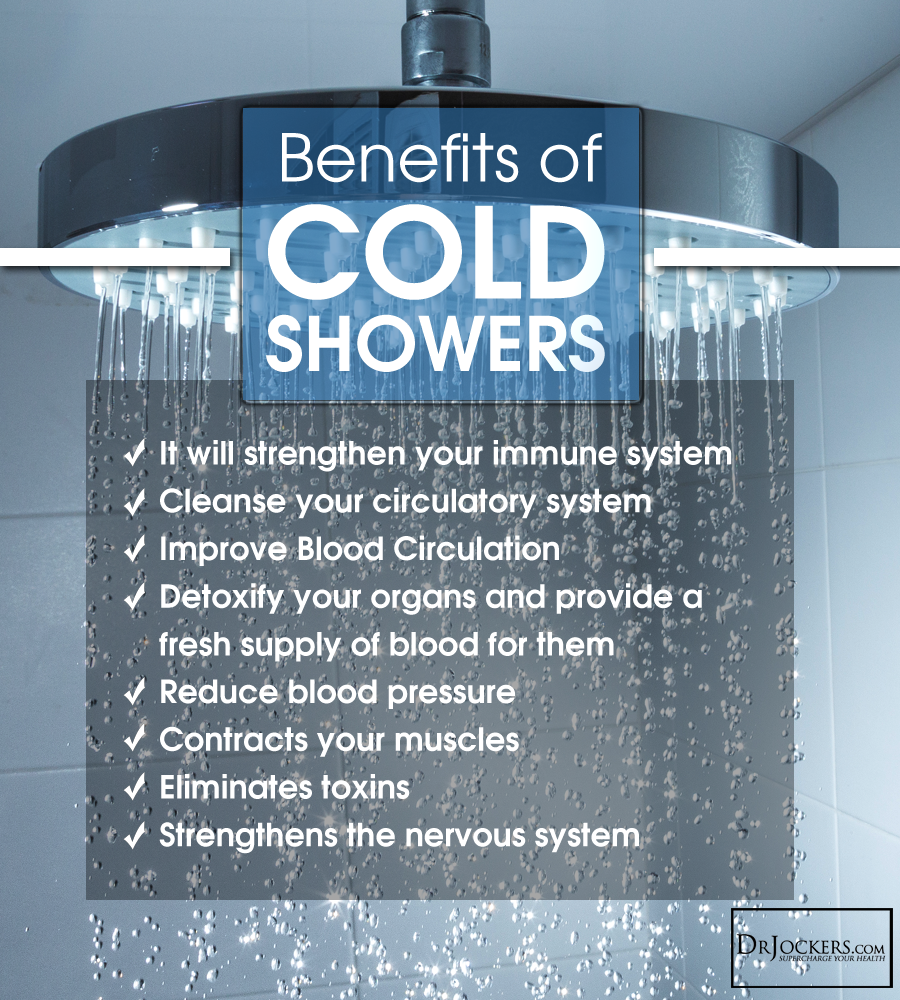
Stepping under a cold shower might seem like a quick way to wake yourself up in the morning, but the potential benefits of cold showers extend far beyond a morning jolt. While research on cold shower therapy is still emerging, enthusiasts tout a range of advantages, from improved circulation to boosted mood.
This article delves into the science behind cold showers, explores their potential benefits, and offers tips for gradually incorporating them into your routine.

The Science of the Shiver: How Cold Showers Affect Your Body
The human body works hard to maintain a constant internal temperature (homeostasis). When exposed to cold water, several physiological processes kick in:
Vasoconstriction: Blood vessels constrict to limit blood flow near the skin’s surface, preventing further heat loss.
Increased Heart Rate: The heart works faster to pump blood away from the skin and maintain core body temperature.
Hormonal Response: The release of norepinephrine, a stress hormone, helps mobilize the body’s resources to generate heat.
These physiological responses are thought to be behind the various benefits attributed to cold showers.
A Plunge into Potential Benefits: What Cold Showers Might Offer
While more research is needed, studies suggest cold showers may hold promise for several wellness aspects:
Enhanced Circulation: The initial vasoconstriction followed by vasodilation (widening of blood vessels) during a cold shower may improve overall circulation.
Improved Mood and Alertness: The release of norepinephrine during cold exposure can have mood-boosting effects and increase alertness.
Reduced Muscle Soreness: Some athletes use cold water immersion to reduce muscle soreness after exercise. The constriction of blood vessels may limit inflammation and promote muscle recovery.
Potential Immune System Boost: While evidence is limited, some research suggests cold showers might increase the activity of the immune system.

Beyond the Physical: The Mind-Body Connection of Cold Showers
The experience of a cold shower can also have psychological benefits:
Increased Willpower: Regularly bracing yourself with cold showers can strengthen your willpower and resilience.
Stress Management: The shock of cold water can be distracting, forcing you to focus on the present moment and potentially reducing stress levels.
Taking the Plunge: Tips for Cold Shower Success
Intrigued by the potential benefits? Here’s how to introduce cold showers safely and effectively into your routine:
Start Gradually: Don’t blast yourself with freezing water right away. Lower the temperature steadily over time, starting with colder water.
Focus on Short Bursts: Start with a short cold shower (30 seconds to 1 minute) and gradually increase the duration as you adapt.
End on Warm: Finish your shower with warm water to help your body regulate temperature and prevent excessive shivering.
Cold showers aren’t for everyone, so pay attention to your body. If you have certain medical conditions like heart disease or respiratory problems, consult your doctor before trying cold therapy.
Remember: Consistency is key. Regular cold showers may yield better results than sporadic attempts. Embrace the challenge, focus on your breath, and gradually you might discover the benefits of cold showers extend beyond just an invigorating start to your day. They might become a powerful tool for enhancing your physical and mental wellbeing. So, are you ready to turn the tap and turn up your resilience?

FAQs
Cold showers have been a topic of curiosity and debate for years. People searching Youtube and Google are curious about the potential benefits and wondering if a blast of cold water is worth the initial shock. This FAQ dives into the world of cold showers to explore the science and answer your burning questions.
What are the potential benefits of cold showers?
While research on cold showers is ongoing, here are some potential benefits people have reported:
Improved Circulation: Cold water exposure can cause your blood vessels to constrict initially, followed by dilation to bring warm blood to the core. This rapid change could improve overall circulation.
Enhanced Alertness: The cold shock can activate your sympathetic nervous system, potentially leading to increased alertness and focus.
Reduced Muscle Soreness: Some studies suggest cold water immersion might help reduce muscle soreness after exercise.
Boosted Mood: The cold shock might trigger the release of endorphins, hormones that can elevate mood and reduce stress.
Improved Hair and Skin Health: Cold water might help seal hair cuticles and invigorate the scalp. Additionally, some claim it tightens pores, although more research is needed.
How long should a cold shower last?
Start gradually! Begin with 30 seconds of cold water at the end of your regular shower and slowly increase the duration as you adjust. Most recommend 2-3 minutes for potential benefits.
Are cold showers safe for everyone?
While generally safe for healthy adults, consult your doctor before starting cold showers if you have any pre-existing health conditions, especially heart problems.
What are some things to consider before taking a cold shower?
Listen to your body: Don’t push yourself too hard, especially if you’re new to cold showers. Discomfort is okay, but stop if you experience pain or dizziness.
Warm up first: Take a warm shower before finishing with cold water to ease the transition.
Focus on breathing: Deep, controlled breaths can help manage the initial shock of cold water.
Are there any downsides to cold showers?
While generally beneficial, some potential downsides include:
Discomfort: Cold showers can be unpleasant, especially at first.
Limited research: More research is needed to confirm the long-term benefits of cold showers.
What do Youtube videos say about cold showers?
Many Youtube videos discuss cold showers, offering personal experiences and anecdotal evidence of potential benefits. Remember, individual results may vary. It’s important to consult reliable sources and listen to your body.
Should I try cold showers?
The decision is ultimately yours! Cold showers are a practice with a long history and potential benefits. If you’re curious and healthy, give it a try – gradually and with caution! You might be surprised by the positive effects.
Here are some additional questions you might have about cold showers, building on the previous FAQ:
How can I make cold showers more tolerable?
Start Cold, End Cold: Instead of switching abruptly, gradually decrease the water temperature throughout your shower, ending completely cold.
Focus on Breathwork: Practice deep, controlled breathing throughout the cold shower. This can help manage the shock and activate the relaxation response.
Mind Over Matter: Maintain a positive mindset. Focus on the potential benefits and the invigorating feeling after the initial shock.
Are there different types of cold showers?
Full Cold Shower: The classic approach – a complete blast of cold water.
Contrast Showers: Alternate between hot and cold water throughout your shower. This can improve circulation and potentially aid muscle recovery.
Cold Water Immersion: Submerging yourself in a cold bath for a shorter duration (1-3 minutes).
What are some alternative cold water therapies?
Cold Water Face Plunges: A splash of cold water on the face can be a milder introduction to cold therapy and might offer similar alertness benefits.
Ice Baths: A more intense form of cold water immersion, typically used by athletes for muscle recovery.
Are there any risks of cold showers?
While generally safe, there are potential risks for certain individuals:
People with heart problems: Cold water can increase heart rate and strain the cardiovascular system. Consult your doctor before starting cold showers if you have any heart conditions.
Pregnant women: Sudden changes in temperature might not be advisable during pregnancy. Talk to your doctor before trying cold showers.
Those with respiratory problems: Cold water could trigger asthma attacks in some individuals. Consult your doctor if you have respiratory issues.
Can cold showers help with weight loss?
There’s no definitive evidence that cold showers directly lead to weight loss. However, the potential boost in metabolism and alertness might contribute to increased activity levels, which could indirectly aid weight management.
Remember: Cold showers are a practice with potential benefits, but consult your doctor before starting, especially if you have any pre-existing health conditions. Listen to your body, embrace the initial shock, and enjoy the potential invigorating effects!
To read more, Click Here.