
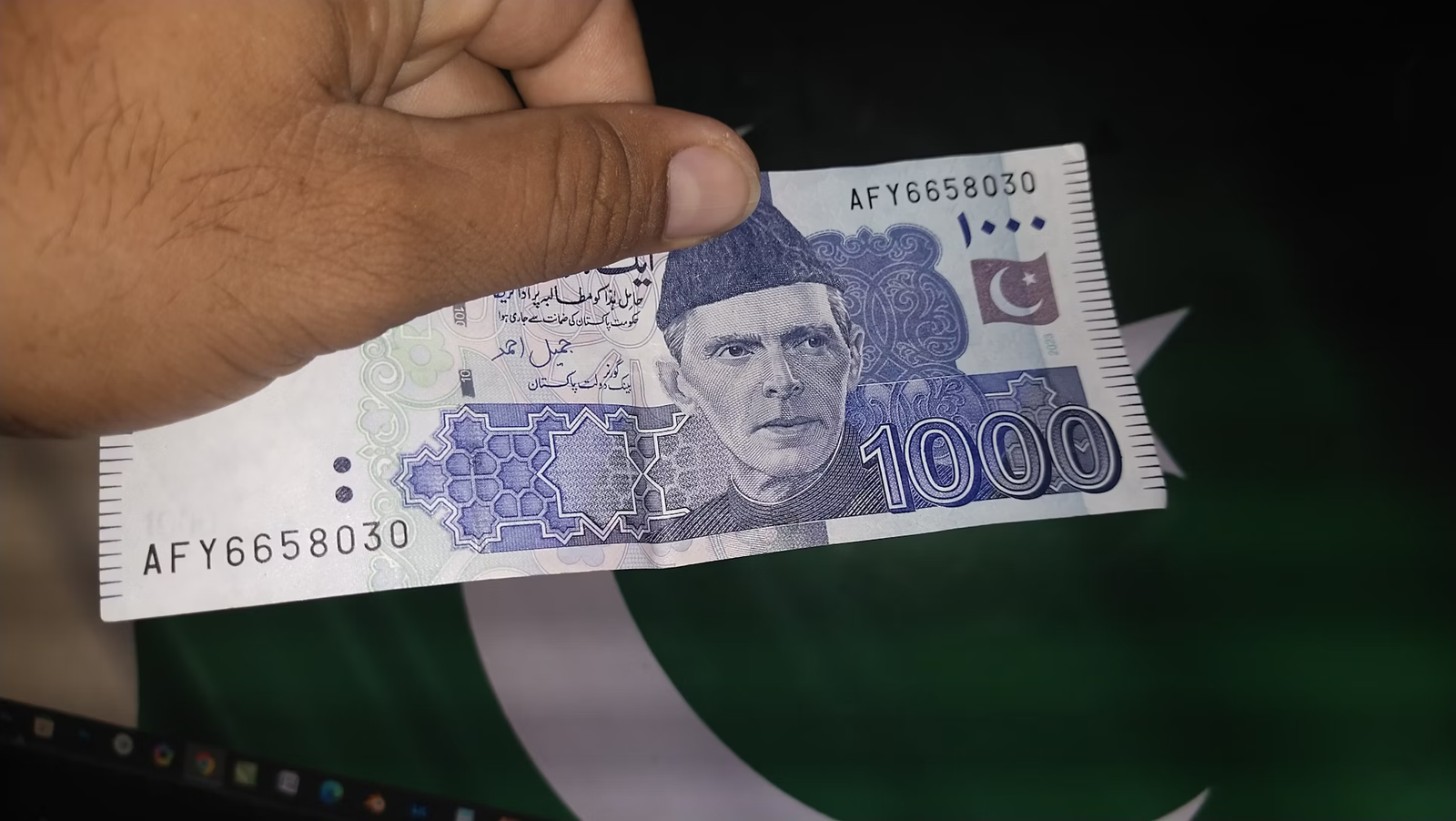
The exchange rate between the British Pound (GBP) and the Pakistani Rupee (PKR) is a crucial aspect of international trade and finance for both countries. As globalization intensifies and the interconnectedness of economies grows, understanding how currency values fluctuate can greatly impact individuals, businesses, and investors. This article explores the current status of the British Pound in Pakistani Rupees, the factors influencing this exchange rate, and its implications for various stakeholders.
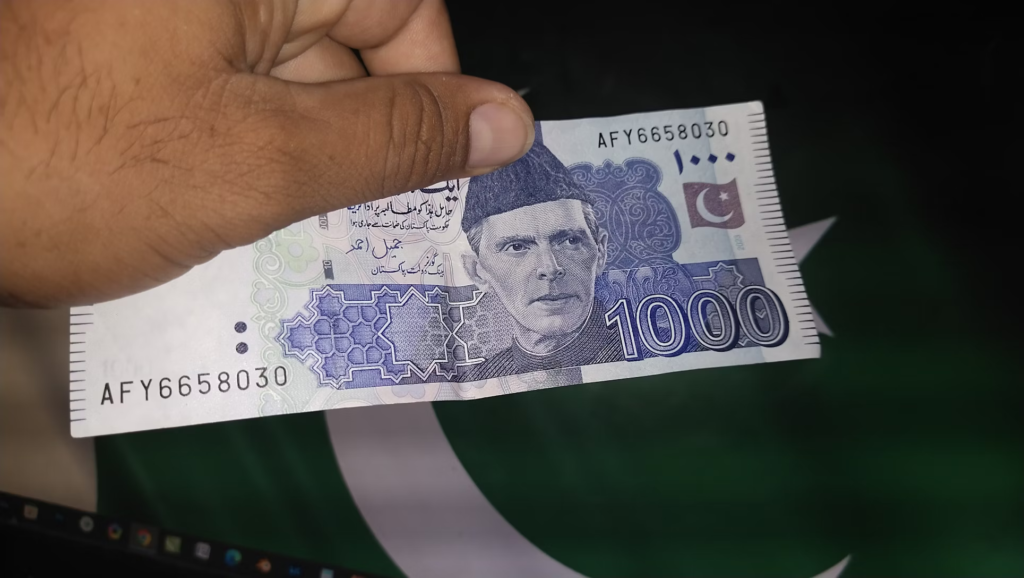
The Current Exchange Rate Dynamics
As of September 2024, the exchange rate for the British Pound against the Pakistani Rupee stands at approximately 371.99 PKR to 1 GBP. However, this value fluctuates daily due to various factors including market demand, economic indicators, and geopolitical events. Keeping track of the exchange rate is crucial for anyone involved in trade, travel, or investment between the UK and Pakistan.
Recent Trends
In recent months, the GBP to PKR exchange rate has shown significant fluctuations. Factors such as inflation rates in both countries, changes in interest rates, and shifts in political stability can cause the exchange rate to rise or fall dramatically. For instance, recent economic policies introduced in the UK or Pakistan, or macroeconomic trends like rising inflation or recession concerns, can lead to volatility in the exchange rate.
Factors Influencing the Exchange Rate
Several key factors play a role in determining the value of the British Pound against the Pakistani Rupee. Understanding these elements can provide valuable insights into future trends and potential investment opportunities.
Economic Indicators
Economic indicators such as Gross Domestic Product (GDP), inflation rates, and employment figures have a direct impact on currency value. For example, if the UK shows strong GDP growth, the Pound may strengthen against the Rupee. Conversely, economic difficulties in Pakistan, such as high inflation or low growth rates, can weaken the Rupee.
Political Stability
Political events, including elections, governmental changes, and international relations, can significantly influence currency values. For instance, political instability in Pakistan may lead to decreased investor confidence, causing the PKR to weaken against the GBP. On the other hand, a stable political environment in the UK can boost confidence in the Pound.
Global Market Trends
Global economic trends, including commodity prices, trade balances, and shifts in investor sentiment, also play a significant role. For example, changes in oil prices can affect the Pakistani economy, which is reliant on oil imports. Such changes can subsequently influence the GBP/PKR exchange rate.
Speculation and Market Sentiment
Currency traders often influence exchange rates through speculation. If traders believe that the British economy will outperform the Pakistani economy, they may buy Pounds, thus increasing demand and raising its value against the Rupee.
The Impact of the Exchange Rate on Various Stakeholders
The fluctuating exchange rate between the British Pound and the Pakistani Rupee has significant implications for various stakeholders, including businesses, travelers, and expatriates.
For Businesses and Importers
For businesses engaged in international trade, the exchange rate directly affects profit margins. Importers in Pakistan who rely on British goods must consider the fluctuating GBP/PKR rate when pricing their products. If the Pound strengthens against the Rupee, the cost of imports rises, which could lead to higher prices for consumers. Conversely, exporters may benefit from a weaker Pound, as their products become cheaper for foreign buyers.
For Travelers
For travelers planning to visit the UK from Pakistan, understanding the current exchange rate is vital for budgeting purposes. A strong Pound means that travelers will receive fewer Rupees in exchange for their currency, potentially making trips to the UK more expensive. Conversely, a weaker Pound offers travelers more value for their money.
For Expatriates and Remittances
The exchange rate also significantly impacts expatriates living in the UK who send remittances back to Pakistan. A favorable exchange rate allows expatriates to send more value back home, thus improving the financial stability of their families. However, if the Pound weakens, the value of remittances decreases, which could strain the financial resources of recipients in Pakistan.
Predictions for the Future Exchange Rate
Looking ahead, predicting the future exchange rate between the British Pound and the Pakistani Rupee involves considering various factors. Analysts often monitor economic indicators, political developments, and global market trends to make informed forecasts.
Economic Recovery
The pace of economic recovery in both the UK and Pakistan will play a critical role in determining future exchange rates. If the UK economy rebounds strongly post-pandemic, the Pound may strengthen further. On the other hand, Pakistan’s recovery, particularly concerning inflation and economic growth, will significantly influence the Rupee’s value.
Government Policies
Changes in government policies, such as adjustments to interest rates or trade agreements, can have immediate impacts on currency values. For instance, if the Bank of England raises interest rates, it may attract foreign investments, strengthening the Pound against the Rupee.
Global Economic Conditions
External factors, including global economic trends and geopolitical tensions, can lead to sudden fluctuations in the GBP/PKR exchange rate. For example, instability in Europe or rising oil prices could create volatility that affects both currencies.
FAQs
What is the current exchange rate of the British Pound to the Pakistani Rupee?
The current exchange rate between the British Pound (GBP) and the Pakistani Rupee (PKR) fluctuates regularly due to market conditions. As of the latest updates, 1 GBP is approximately equivalent to 371.99 PKR. It’s essential to check reliable financial news sources or currency converters for real-time rates, as these can change daily.
Why does the exchange rate between the GBP and PKR fluctuate?
The exchange rate fluctuates due to various factors, including economic indicators, interest rates, political stability, inflation rates, and market speculation. Changes in these factors can lead to increased or decreased demand for either currency, resulting in fluctuations in the exchange rate.
How can I convert British Pounds to Pakistani Rupees?
To convert GBP to PKR, you can use online currency converters, visit banks or currency exchange offices, or utilize financial apps that provide real-time exchange rates. Always check the fees associated with currency conversion, as they can vary widely between services.
What factors influence the strength of the British Pound against the Pakistani Rupee?
Several key factors influence the strength of the GBP against the PKR, including the economic performance of the UK and Pakistan, inflation rates, political events, global economic conditions, and market sentiment. A strong UK economy or political stability can lead to a stronger Pound, while issues in Pakistan such as inflation or political turmoil can weaken the Rupee.
How does the exchange rate impact businesses involved in trade between the UK and Pakistan?
For businesses engaged in import and export activities, the exchange rate directly affects profit margins. A strong GBP means that Pakistani importers will pay more in Rupees for British goods, potentially leading to higher prices for consumers. Conversely, if the PKR strengthens, it may reduce the cost of imports.
What should travelers from Pakistan consider regarding the GBP to PKR exchange rate?
Travelers should closely monitor the GBP to PKR exchange rate to budget effectively for their trips to the UK. A higher exchange rate means that travelers will receive fewer Rupees for their Pounds, impacting spending power. It may be beneficial to exchange currency in advance when rates are more favorable.
How do expatriates sending remittances from the UK to Pakistan factor in the exchange rate?
Expatriates should consider the exchange rate when sending remittances back to Pakistan, as fluctuations can significantly impact the amount received. A favorable rate allows expatriates to send more value home, improving financial support for their families. Staying informed about the exchange rate can help maximize the value of remittances.
What tools or apps can I use to track the GBP to PKR exchange rate?
Numerous tools and applications can help track the GBP to PKR exchange rate, including financial news websites, mobile banking apps, and dedicated currency converter applications. These platforms often provide real-time updates and historical data, allowing users to make informed decisions.
What are the long-term predictions for the GBP to PKR exchange rate?
Long-term predictions for the GBP to PKR exchange rate are challenging due to the influence of numerous unpredictable factors, including economic growth, inflation, and political stability. Analysts often consider these factors alongside global economic trends to provide insights, but these predictions can vary significantly.
How does inflation in Pakistan affect the value of the Rupee against the Pound?
High inflation in Pakistan typically weakens the Rupee against the Pound. As prices rise, the purchasing power of the Rupee decreases, leading to higher demand for foreign currencies like the Pound. This dynamic often results in a lower exchange rate for the PKR.
What is the impact of the UK’s economic policies on the GBP/PKR exchange rate?
The UK’s economic policies, such as changes in interest rates set by the Bank of England or fiscal policies enacted by the government, can have significant impacts on the GBP/PKR exchange rate. For instance, an increase in interest rates may attract foreign investment, strengthening the Pound against the Rupee.
How does political stability in Pakistan influence the GBP to PKR exchange rate?
Political stability in Pakistan can greatly affect the value of the Rupee. A stable political environment tends to enhance investor confidence, potentially strengthening the Rupee. Conversely, political turmoil or instability can lead to a decrease in confidence and a weaker Rupee against the Pound.
Conclusion
The exchange rate between the British Pound and the Pakistani Rupee is an essential element of economic interaction between the two countries. As globalization continues to evolve, understanding the dynamics of this exchange rate will become increasingly important for individuals, businesses, and policymakers alike. By staying informed about the factors that influence the GBP/PKR rate, stakeholders can make more informed decisions regarding trade, travel, and investment. Whether for personal finance or business strategy, keeping a close eye on the British Pound in Pakistani Rupees is vital in today’s interconnected world.
To read more, Click Here.