

Codewords, a popular word puzzle game, offers a challenging yet entertaining way to exercise your brain. It’s a game of deduction, logic, and patience that requires players to decipher hidden words within a grid of numbers.
Understanding the Game
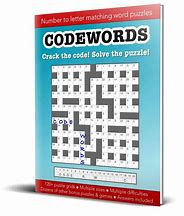
Codewords is a grid-based puzzle where each letter of the alphabet is assigned a number from 1 to 26. The challenge lies in determining which number corresponds to which letter. To aid players, a few letters are revealed at the start.
The Grid: A square grid filled with numbers, representing the encrypted letters.
The Key: A small area where revealed letters are displayed.
The Rules: Players must deduce the letters based on the pattern of numbers and the revealed letters.
How to Play Codewords
- Analyze the Grid: Start by examining the grid for repeated numbers, as these likely represent the same letter.
- Identify Common Letter Patterns: Look for common letter combinations or word patterns within the grid.
- Use Deduction: Employ logical reasoning to eliminate possibilities and narrow down the options.
- Check for Word Formation: As you uncover letters, try to form words within the grid to confirm your deductions.
- Backtracking: If you make a mistake, don’t be afraid to erase and start again.
Tips for Solving Codewords
Start with Short Words:
Focus on finding short words first, as they are often easier to identify.
Look for Proper Nouns:
Proper nouns can be helpful starting points as they often have unique letter combinations.

Use the Process of Elimination: Rule out impossible letter combinations based on the revealed letters.
Check for Patterns: Look for repeating number patterns, as they might indicate common letter sequences.
Take Breaks: If you get stuck, step away from the puzzle for a while and come back with a fresh perspective.
The Benefits of Playing Codewords
Beyond being an entertaining pastime, Codewords offers several cognitive benefits:
Improved Problem-Solving Skills: The game challenges players to think critically and logically.
Enhanced Vocabulary: Regular play can expand your vocabulary as you encounter new words.
Boosted Concentration: Codewords require focused attention, improving concentration skills.
Relaxation: Engaging in puzzles can be a relaxing and enjoyable way to unwind.
Codewords Variations and Online Platforms
While the core concept remains the same, various platforms offer different versions of Codewords with varying difficulty levels and additional features. Some popular online platforms include:
Arkadium: Offers a classic Codewords experience.
Simply Daily Puzzles: Provides daily Codewords puzzles for practice.
Codewordsgame.com: Offers multiplayer Codewords for added fun and competition.
Whether you prefer to play on paper or online, Codewords is a stimulating puzzle that can provide hours of enjoyment while sharpening your mind.
Would you like to know about any specific Codewords strategies or tips?
Faqs
CodeCost: A Breakdown of Potential Meanings
The term “codecost” doesn’t have a widely recognized, standalone definition.
It’s likely a combination of two words: “code” and “cost.”
Potential Interpretations
Based on this breakdown, here are some possible meanings:
1. Software Development Costs
development Costs
This could refer to the overall expenses incurred in creating software, including labor, tools, infrastructure, and testing.
Code Maintenance Costs
The ongoing expenses associated with maintaining and updating existing software code.
Code Review Costs
The cost of having code reviewed for quality and security purposes.
2. Coding as a Cost Center
Departmental Costs
In some organizations, the coding department might be treated as a cost center, contributing to overall operational expenses.
Cost Allocation
This could refer to the process of assigning costs to specific code projects or products.
3. Coding as a Cost-Saving Measure
Cost Reduction: Using code to automate processes or optimize operations can lead to cost savings.
Cost Analysis
Analyzing code to identify potential cost-saving opportunities.
Need More Context?
To provide a more accurate and helpful explanation, please provide additional details about:
The industry or field where you encountered the term.
The specific context in which it was used.
Any related terms or phrases.
With more information, I can offer a more precise and informative response.
Possible Examples:
If you’re in the software development industry
You might be referring to the cost of developing a specific software application or the ongoing maintenance costs of a software product.
If you’re in a business context
You might be discussing the costs associated with your IT department or the financial impact of software development projects.
Please feel free to share more details about your query.
To read more click here