
D3 K2 vitamin- Vitamin D3 and K2 are two essential nutrients that work together to support bone health, immune function, and overall well-being. While they are often discussed separately, the synergistic effects of these vitamins are crucial for maintaining optimal health. In this comprehensive guide, we’ll delve into the benefits, sources, and recommended intake of vitamins D3 and K2.
Understanding Vitamin D3
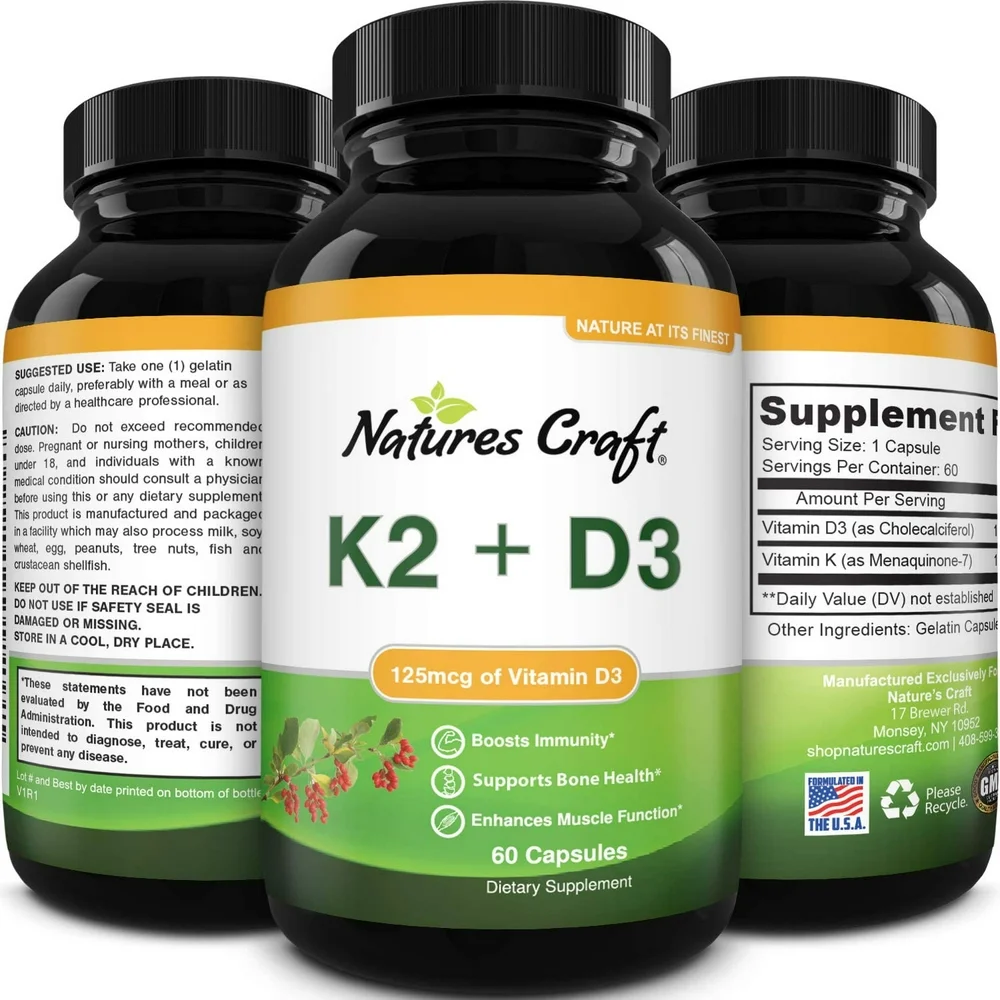
Vitamin D3, also known as cholecalciferol, is a fat-soluble vitamin that plays a vital role in calcium absorption, bone health, and immune function. The human body can produce vitamin D3 when exposed to sunlight, but many factors, including limited sun exposure, aging, and certain medical conditions, can lead to a deficiency.
Benefits of Vitamin D3:
Bone Health: Vitamin D3 is essential for calcium absorption, which is crucial for strong bones and teeth. A deficiency in vitamin D3 can lead to osteoporosis, a condition characterized by weak and brittle bones.
Immune Function: Vitamin D3 helps regulate the immune system, making it better equipped to fight off infections and diseases.
Mood and Mental Health: Some studies suggest that vitamin D3 may play a role in mood regulation and mental health. A deficiency in vitamin D3 has been linked to depression and seasonal affective disorder (SAD).
Heart Health: Vitamin D3 may help reduce the risk of heart disease by lowering blood pressure and improving cholesterol levels.
Weight Management: Some research indicates that vitamin D3 may play a role in weight management by regulating metabolism.
Understanding Vitamin K2
Vitamin K2 is a fat-soluble vitamin that is primarily found in fermented foods and animal products. It is essential for bone health, cardiovascular health, and blood clotting.
Benefits of Vitamin K2:
Bone Health: Vitamin K2 works with vitamin D3 to direct calcium to the bones, helping to prevent osteoporosis and fractures.
Cardiovascular Health: Vitamin K2 may help reduce the risk of heart disease by preventing calcium buildup in the arteries, which can lead to atherosclerosis.
Blood Clotting: Vitamin K2 is essential for blood clotting, helping to prevent excessive bleeding.
The Synergistic Effects of Vitamin D3 and K2
Vitamin D3 and K2 work together to optimize bone health and reduce the risk of chronic diseases. Vitamin D3 helps to increase calcium absorption, while vitamin K2 directs the calcium to the bones, preventing it from accumulating in the arteries. This synergistic effect is crucial for maintaining strong bones and a healthy cardiovascular system.
Sources of Vitamin D3 and K2
There are several ways to obtain vitamin D3 and K2.
Dietary Sources:
Vitamin D3: Fatty fish (salmon, mackerel, tuna), egg yolks, fortified foods (milk, cereal, orange juice)
Vitamin K2: Fermented foods (natto, sauerkraut, tempeh), animal products (liver, cheese, eggs)
Sun Exposure: The body can produce vitamin D3 when exposed to sunlight. However, the amount of sun exposure needed varies depending on factors such as skin type and geographic location. It is important to consult with a healthcare professional to determine the appropriate amount of sun exposure.
Supplements: Many people choose to take supplements to ensure adequate intake of vitamin D3 and K2.
Recommended Intake of Vitamin D3 and K2
The recommended daily intake of vitamin D3 and K2 varies depending on age, gender, and other factors.
General Recommendations:
Vitamin D3: 1000-4000 IU per day
Vitamin K2: 65-200 mcg per day
Factors That May Influence Intake:
Age: As we age, our ability to synthesize vitamin D3 from sunlight decreases.
Skin Color: People with darker skin tones require more sun exposure to produce vitamin D3.
Geographic Location: People living in regions with limited sunlight exposure may need to rely on dietary sources or supplements.
Medical Conditions: Certain medical conditions, such as obesity and malabsorption disorders, can interfere with vitamin D3 absorption.
Precautions and Considerations
Toxicity: Excessive intake of vitamin D3 can lead to toxicity. It is important to follow the recommended dosage and consult with a healthcare professional if you have any concerns.
Interactions: Vitamins D3 and K2 may interact with certain medications.
Individual Needs: The optimal intake of vitamins D3 and K2 may vary depending on individual factors. It is important to consult with a healthcare professional to determine your specific needs.
Conclusion
Vitamins D3 and K2 are two essential nutrients that work together to support bone health, immune function, and overall well-being. By ensuring adequate intake of these vitamins through dietary sources, sun exposure, or supplements, you can optimize your health and reduce your risk of chronic diseases.
FAQs
Understanding Vitamin D3 and K2
Q: What are Vitamins D3 and K2?
A: Vitamin D3 is a fat-soluble vitamin produced by the skin when exposed to sunlight. It’s also found in certain foods like fatty fish and fortified dairy products. Vitamin K2 is a fat-soluble vitamin primarily produced by gut bacteria. It’s also found in certain foods like fermented foods and meat.
Q: Why are Vitamin D3 and K2 important?
A: Vitamin D3 is essential for calcium absorption and bone health. Vitamin K2 helps direct calcium to the bones and teeth, preventing it from accumulating in soft tissues. Together, they work to maintain strong bones and reduce the risk of osteoporosis.
Benefits of Vitamin D3 and K2
Q: What are the benefits of taking Vitamin D3 and K2 supplements?
A: Taking Vitamins D3 and K2 supplements can offer several benefits, including:
Improved bone health: Helps prevent osteoporosis and fractures
Boosted immune system: Supports the body’s ability to fight infections
Reduced risk of heart disease: May help lower blood pressure and cholesterol levels
Enhanced mood: May help alleviate symptoms of depression
Improved blood sugar control: May help regulate blood sugar levels
How to Get Enough Vitamin D3 and K2
Q: How can I get enough Vitamin D3 and K2 naturally?
A: To get enough Vitamin D3, spend time in sunlight, especially during midday hours. Consume foods rich in Vitamin D, such as fatty fish, fortified dairy products, and eggs. To increase Vitamin K2 intake, incorporate fermented foods like sauerkraut and kimchi into your diet.
Q: When should I consider taking Vitamin D3 and K2 supplements?
A: If you have a deficiency in either Vitamins D3 or K2, your healthcare provider may recommend supplements. Factors such as limited sun exposure, certain medical conditions, and certain medications can contribute to deficiencies.
Safety and Side Effects
Q: Are there any side effects to taking Vitamin D3 and K2 supplements?
A: When taken as directed, Vitamins D3 and K2 supplements are generally safe. However, excessive intake can lead to side effects like nausea, vomiting, and diarrhea. It’s important to consult with a healthcare professional before starting any new supplements.
Q: How much Vitamin D3 and K2 should I take?
A: The recommended daily intake of Vitamins D3 and K2 varies depending on individual factors. It’s best to consult with a healthcare provider to determine the appropriate dosage for your needs.
By understanding the benefits and potential risks of Vitamins D3 and K2, you can make informed decisions about incorporating these essential nutrients into your daily routine.
To Read More; click here