
Understanding Drug Test Kits
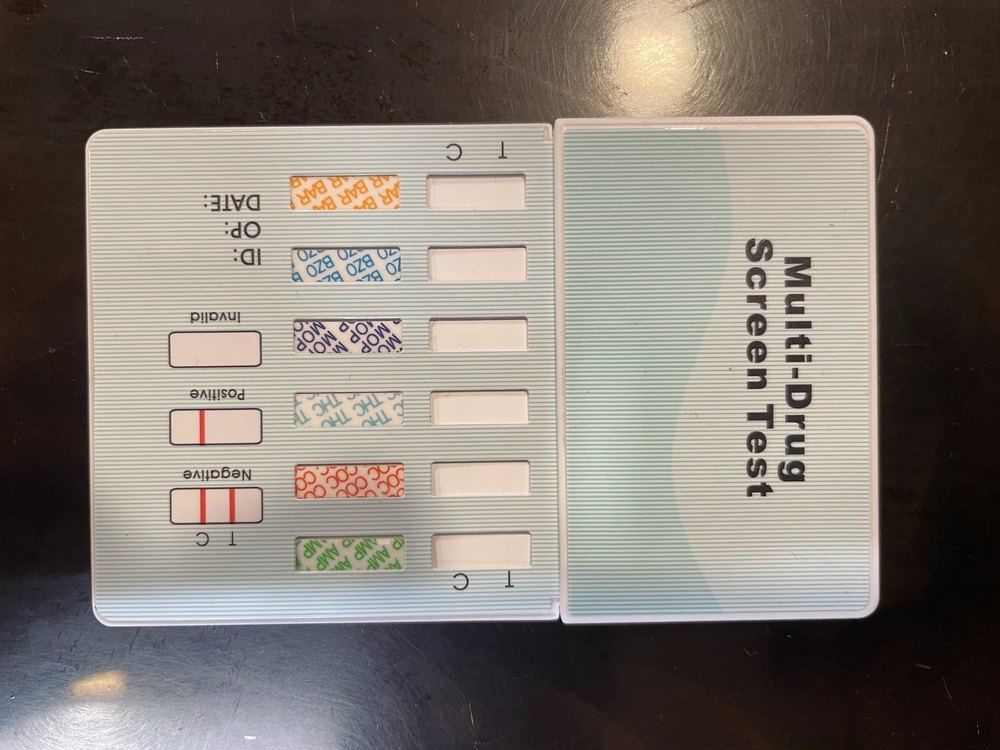
Drug test kits are a valuable tool for detecting the presence of various substances in the body. These kits can be used in various settings, including workplaces, schools, and homes. They offer a convenient and relatively inexpensive way to screen for drug use.
Types of Drug Test Kits
Urine Drug Test Kits: These are the most common type of drug test kit. They involve collecting a urine sample and adding a reagent to detect the presence of specific drugs. Urine drug test kits can be used to screen for a wide range of substances, including marijuana, cocaine, opioids, and amphetamines.
Saliva Drug Test Kits: These kits involve collecting a saliva sample and adding a reagent to detect the presence of drugs. Saliva drug test kits are often used for rapid screening purposes, as they provide results within minutes.
Hair Drug Test Kits: These kits involve cutting a hair sample and analyzing it for the presence of drugs. Hair drug test kits can detect drug use over a longer period, typically up to 90 days.
Blood Drug Test Kits: These kits involve collecting a blood sample and analyzing it for the presence of drugs. Blood drug test kits are often used for medical or legal purposes, as they can provide a more accurate measurement of drug levels in the body.
How Drug Test Kits Work
Drug test kits typically use immunoassay technology to detect the presence of drugs. This involves using antibodies that bind to specific molecules in the drug. When the antibodies bind to the drug, a chemical reaction occurs that produces a visible result, such as a color change.
Factors Affecting Drug Test Kit Accuracy
The accuracy of drug test kits can be influenced by several factors, including:
Kit Quality: The quality of the drug test kit can vary significantly.
Sample Collection: Proper sample collection is essential for accurate results. Following the instructions provided with the kit is crucial.
Storage and Handling: Drug test kits should be stored and handled according to the manufacturer’s instructions. Exposure to extreme temperatures or humidity can affect the kit’s performance.
Drug Type and Concentration: The type of drug and its concentration in the sample can affect the sensitivity of the test. Some drugs may be more difficult to detect than others.
Drug Test Kit Limitations
Drug test kits have some limitations that should be considered:
False Positives: Drug test kits can sometimes produce false positive results, indicating the presence of a drug when it is not present. This can occur due to factors such as cross-reactivity with other substances or errors in the testing process.
False Negatives: Drug test kits can also produce false negative results, indicating the absence of a drug when it is present. This can occur due to factors such as the drug being below the detection limit of the test or the sample being diluted.
Window of Detection: The window of detection for drug test kits varies depending on the type of drug and the type of test. Some drugs can be detected for a longer period than others.
Drug Test Kits in Different Settings
Drug test kits are used in a variety of settings, including:
Workplace: Many employers use drug test kits to screen job applicants and employees for drug use. This can help to ensure a safe and productive workplace.
Schools: Schools may use drug test kits to screen students for drug use. This can help to address drug-related issues and promote a healthy learning environment.
Healthcare Settings: Healthcare providers may use drug test kits to screen patients for drug use. This can help to identify and address underlying health issues.
Home Use: Individuals may use drug test kits at home for personal reasons, such as monitoring their own drug use or that of a family member.
Choosing the Right Drug Test Kit
Drug Type: The type of drug you are testing for will determine the appropriate kit.
Sensitivity: The sensitivity of the kit will determine how low a concentration of the drug can be detected.
Ease of Use: The kit should be easy to use and follow the instructions provided.
Cost: The cost of the kit will vary depending on the type of test and the manufacturer.
Conclusion
Drug test kits are a valuable tool for detecting the presence of various substances in the body. They can be used in a variety of settings, including workplaces, schools, and homes. When choosing a drug test kit, it is important to consider the factors discussed in this article to ensure that you select the most appropriate option for your needs.
FAQs
What is a drug test kit?
A drug test kit is a home-use device designed to detect the presence of specific drugs in a person’s urine or saliva. These kits are often used for personal screening, pre-employment testing, or to monitor individuals undergoing drug rehabilitation programs.
How accurate are drug test kits?
While drug test kits are generally reliable, their accuracy can vary depending on factors such as the specific drug being tested for, the quality of the kit, and the user’s adherence to instructions. It’s important to follow the kit’s directions carefully and to consider using a professional laboratory for more definitive results.
What drugs can drug test kits detect?
Most drug test kits are designed to detect commonly abused substances, including:
Opiates: Heroin, morphine, codeine
Amphetamines: Cocaine, methamphetamine, MDMA (ecstasy)
Marijuana: THC
PCP: Phencyclidine
Barbiturates: Sedatives like phenobarbital
Cocaine: Crack cocaine
How do drug test kits work?
Drug test kits typically use immunoassay technology, which involves the interaction of antibodies with specific drug molecules. When a drug is present in the sample, it binds to the antibodies, triggering a visible reaction (e.g., a color change) that indicates a positive result.
How long do drugs stay in your system?
The length of time a drug remains detectable in your system depends on various factors, including the drug, the amount used, your metabolism, and your overall health. Generally, marijuana can be detected for up to 30 days, while other drugs may be detectable for a shorter period.
Can drug test kits detect synthetic cannabinoids?
Yes, some drug test kits are designed to detect synthetic cannabinoids, also known as “spice” or “K2.” These substances are often sold as legal alternatives to marijuana but can have similar effects.
Are drug test kits legal?
The legality of drug test kits can vary depending on your location and the specific laws governing drug possession and testing. It’s essential to check local regulations before purchasing or using a drug test kit.
Where can I buy drug test kits?
Drug test kits are widely available online and in some retail stores. When purchasing a kit, it’s important to choose a reputable seller to ensure the quality and accuracy of the product.
Can I use a drug test kit to test someone else’s urine?
It is generally not recommended to test someone else’s urine without their consent. Doing so may violate privacy laws and could lead to legal consequences.
What should I do if I test positive on a drug test kit?
If you test positive on a drug test kit, it is important to consult with a healthcare professional or a drug addiction specialist. They can provide guidance on next steps, including seeking treatment if necessary.
Are there any limitations to using drug test kits?
While drug test kits are convenient and easy to use, they may have some limitations. For example, they may not detect very low levels of drugs, and they may be susceptible to interference from certain substances. If you have concerns about the accuracy of a drug test kit, it is recommended to seek professional testing.
For more information, please visit the following resources:
National Institute on Drug Abuse (NIDA): https://www.nih.gov/about-nih/what-we-do/nih-almanac/national-institute-drug-abuse-nida
Substance Abuse and Mental Health Services Administration (SAMHSA): https://www.samhsa.gov/
DrugAbuse.com: https://drugabuse.com/treatment/drug-rehab/
To Read More; click here