

Easel – A tool that has been essential for artists throughout history, the easel is more than just a stand for holding a canvas. It’s a symbol of the artistic process and an important part of how an artist brings their vision to life. Whether you’re a seasoned painter or a beginner looking to explore your creativity, the easel plays a crucial role in your artistic journey. This article delves into the many facets of the easel, from its history to its modern use, and explores how it has evolved in the creative world.
The History of the Easel
The easel has a long and storied history that dates back to the Renaissance period. Artists during this time, such as Leonardo da Vinci and Michelangelo, were among the first to use easels in their workshops. Early easels were simple structures made from wood, designed to support canvases while artists worked on them. They provided stability and allowed for greater comfort during painting, especially for larger pieces.
Over time, the design of the easel evolved to suit the needs of different types of art. By the 17th and 18th centuries, the easel had become more refined, with adjustable legs and tilting features. This allowed artists to work more flexibly, adjusting the height and angle of the canvas as needed. Easels became a permanent fixture in artists’ studios, and the tool became synonymous with the act of painting itself.
Types of Easels
Easels come in many different shapes and sizes, and selecting the right one depends on the artist’s needs and the type of work they do. Here are the most common types of easels that have gained popularity over the years.
Studio Easel
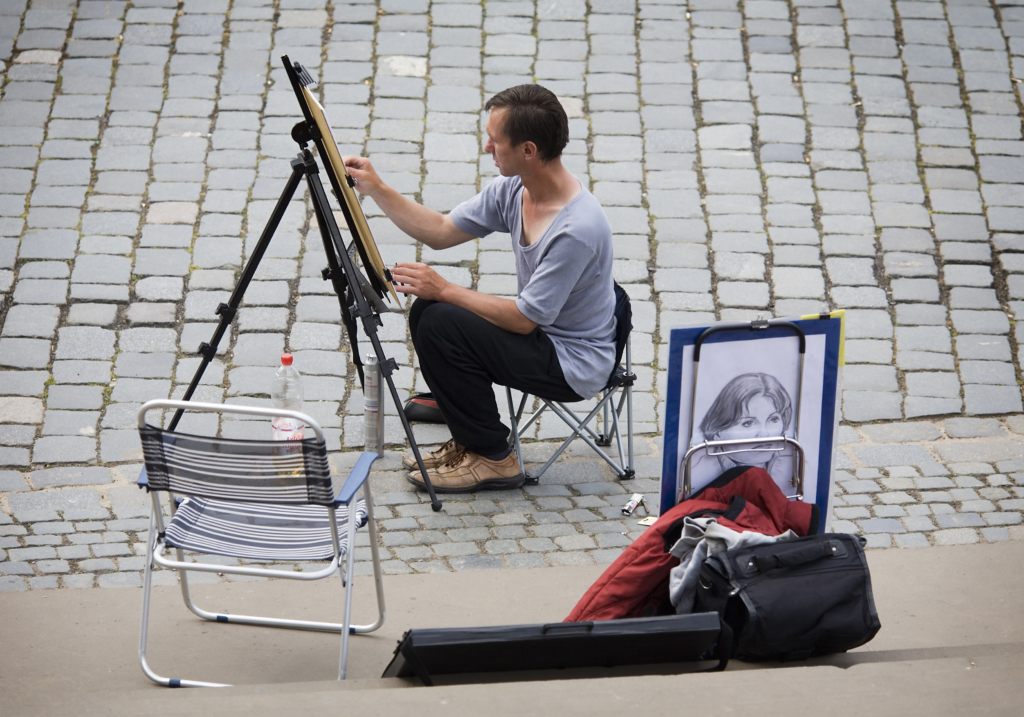
The studio easel is the most common and widely used type. Designed for stationary use, it provides stability and support for large canvases. Studio easels are often made of wood or metal and come in a range of styles, from traditional A-frame models to more contemporary designs. Many of these easels feature adjustable height and tilt, allowing the artist to work from a comfortable position.
Field Easel
For artists who prefer to paint outdoors or on location, the field easel is the ideal choice. Lightweight and portable, field easels are designed for easy transportation. They are usually made of aluminium or lightweight wood and can be folded up into a compact size. Many modern field easels are even equipped with carrying cases for added convenience.
Tabletop Easel
A tabletop easel is a smaller version of the traditional easel, perfect for artists who have limited space or prefer to work on smaller canvases. These easels are often adjustable and can be placed on a flat surface such as a table or desk. They are ideal for those who create smaller pieces of art, such as sketches, portraits, or miniature paintings.
French Easel
The French easel is a hybrid between a field easel and a studio easel. It is highly portable, often with a built-in storage compartment to hold art supplies. French easels are typically used by artists who prefer to paint on location but still want the convenience and comfort of a larger easel. They fold up easily and are ideal for plein air painting.
H-frame Easel
The H-frame easel is typically used in professional studios. It offers maximum support for large canvases and is often used by fine artists working on expansive projects. The H-frame design features two vertical supports connected by horizontal beams, providing excellent stability. These easels are ideal for artists who work on large-scale projects or for those who need to create intricate details in their artwork.
Choosing the Right Easel for Your Needs
When selecting an easel, it’s essential to consider several factors, such as the type of work you plan to create, your available workspace, and your budget. Here are a few things to keep in mind when choosing an easel:
Size of Canvas: Consider the size of the canvases you typically use. If you’re working with large canvases, you will need a studio or H-frame easel. For smaller pieces, a tabletop or French easel may be more appropriate.
Portability: If you’re someone who likes to paint outdoors, a field or French easel is the best option. These easels are lightweight and designed for easy transportation.
Adjustability: Look for an easel with adjustable height and tilt options to ensure you can work comfortably and at the correct angle.
Material: Easels are commonly made from wood, metal, or a combination of both. Wooden easels are classic and durable but may be heavier, while metal easels are often lighter and more modern in design.
Budget: Easels come in a range of prices. If you’re just starting, consider purchasing a more affordable model, but if you’re a professional artist, investing in a high-quality easel will benefit you in the long run.
Modern Innovations in Easel Design
In recent years, easels have evolved with advancements in materials and design. Modern artists have access to lightweight, durable materials such as aluminium and composite plastics, which allow for greater portability without sacrificing stability. Additionally, digital tools have influenced the design of modern easels, with some models now incorporating features like built-in LED lights or tablet holders.
Some easels are now designed with built-in storage compartments, providing artists with a convenient space to store paints, brushes, and other tools. This innovation helps keep the workspace organised and reduces the need for additional equipment.
The Role of Easels in Contemporary Art
The easel has not only remained a vital tool in traditional art forms but has also found its place in contemporary creative practices. Artists working with new media, mixed media, and even digital art continue to rely on easels for their practical functions.
For example, artists who work with large-scale murals or installations often use easels to work on small preliminary sketches or concepts before transferring them to larger surfaces. Additionally, digital artists may use easels to hold their tablets or display screens, which helps improve ergonomics and efficiency during the creative process.
The continued use of easels in modern art underscores their timeless appeal and functionality. While the mediums and techniques may change, the fundamental need for a supportive structure to hold and display the artwork remains the same.
Trends in Easel Use on Social Media
In today’s digital world, the art community has found new ways to engage and share their work through social media platforms like Instagram, TikTok, X (formerly Twitter), and Meta (Facebook). These platforms have created new trends and conversations around easels and the process of creating art.
Time-Lapse Videos: One of the most popular trends on platforms like Instagram and TikTok is sharing time-lapse videos of the painting process. These videos often show the artist working on their easel, capturing the evolution of the artwork from start to finish. This trend has helped make the easel an integral part of the creative journey that audiences love to watch.
Studio Tours and Behind-the-Scenes: Artists have also embraced social media to share their studios and the tools they use, including their easels. These behind-the-scenes glimpses allow followers to connect with artists on a more personal level and learn about the creative process.
Easel Reviews and Recommendations: Many artists share reviews of their favourite easels on social media, helping others find the best models for their specific needs. These reviews often include unboxing videos, demonstrations, and tips for getting the most out of your easel.
Hashtags and Challenges: Platforms like X and Instagram have seen the rise of art-related hashtags such as #ArtOnEasel, #EaselArt, and #EaselLove, which encourage users to share their artwork created on easels. Some challenges have even encouraged artists to create something new on their easels within a limited timeframe.
These trends not only highlight the importance of the easel in the creative process but also foster a sense of community among artists, offering inspiration, support, and engagement from a wider audience.
Final Thoughts
The easel is more than just a tool; it is a symbol of the artist’s journey. Whether you’re a seasoned professional or a beginner, the easel continues to be an indispensable part of the creative process. As we look to the future, it’s clear that the easel will remain a cornerstone of artistic expression, continuously evolving to meet the needs of new generations of creators.
Whether you’re painting a large-scale masterpiece in your studio or working on a quick sketch outdoors, the right easel can make all the difference. So, whether you’re exploring new media, experimenting with different art forms, or simply enjoying the joy of creation, the easel is there to support your artistic vision.
FAQs
What Is an Easel and How Is It Used?
An easel is a stand or frame designed to hold artwork, typically used by artists for painting or displaying their work. They provide stability and support for canvases during creation or display. Easels come in various types, such as table, studio, and plein air models, to suit different artistic needs.
What Are the Different Types of Easels?
The most common types of easels include:
A-frame easels: Ideal for studio use, providing stability for large canvases.
Box easels: Portable and often used by plein air artists.
Convertible easels: Can be adjusted for sitting or standing positions.
Tripod easels: Lightweight and compact, suitable for outdoor painting.
How Do I Choose the Right Easel?
Choosing the right easel depends on your style and needs. Consider the size of your artwork, whether you paint indoors or outdoors, and portability. For beginners, a sturdy A-frame or tabletop easel is a great start, while professionals may opt for larger, more durable studio models.
Can an Easel Be Used for Drawing?
Yes, easels can be used for drawing as well as painting. Artists use easels to elevate their work to a comfortable level, reducing strain on the neck and back while providing better control over their creations.
What Are the Latest Trends in Easels?
Current trends on platforms like X (formerly Twitter) highlight the popularity of lightweight, adjustable easels, perfect for artists who need portability. Digital painting easels, designed to support tablets and screens, are also gaining traction as technology integrates with traditional artistry.
Are Easels Suitable for Kids?
Yes, easels designed for children are widely available. These often feature smaller, adjustable designs, making them perfect for young artists to learn and create comfortably.
How Do I Maintain My Easel?
To keep your easel in top condition, regularly clean it to remove paint splatters and dust. For wooden easels, use wood polish to maintain their appearance. If your easel has adjustable parts, ensure they are securely tightened to prevent any wobbling during use.
To Read More; click here