
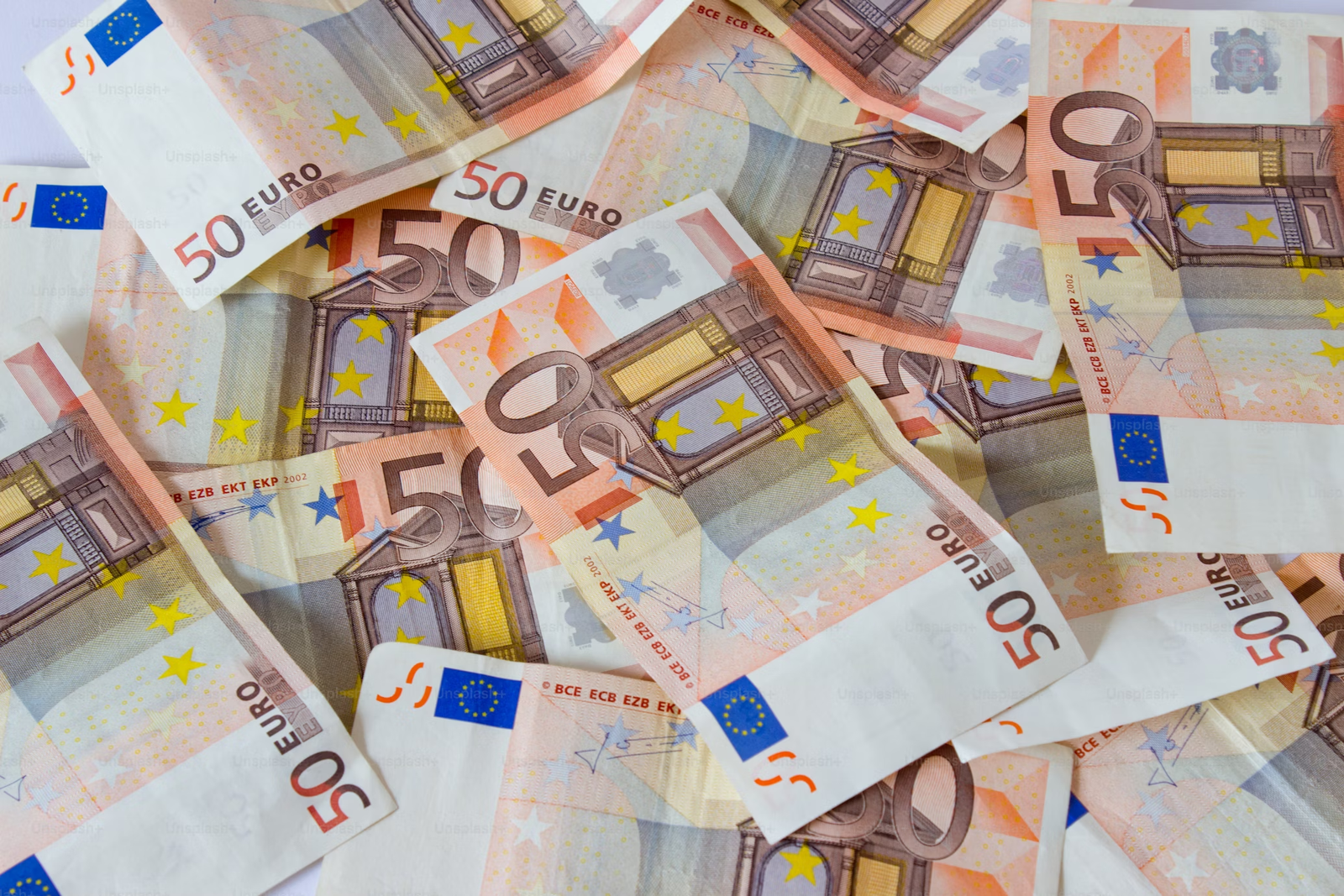
The euro to sterling conversion rate is a significant indicator for many people, including travelers, businesses, and investors. This exchange rate determines how much one euro is worth in British pounds, impacting a wide range of financial decisions and transactions. With the ongoing changes in the global economy, keeping up with the latest trends in the euro to sterling conversion is essential. This article explores the factors influencing this currency pair, its historical context, current trends, and its impact on various sectors of society.

The Basics of Euro to Sterling Conversion
The euro (EUR) and the British pound (GBP), also known as sterling, are two of the most traded currencies in the world. The exchange rate between these two currencies indicates how many British pounds one euro can buy. For instance, if the euro to sterling rate is 0.85, it means that one euro is equivalent to 0.85 pounds. This rate fluctuates constantly due to various economic factors and is monitored closely by businesses, tourists, and investors.
Historical Context of the Euro and Sterling
The euro was introduced in 1999 as the official currency of the Eurozone, replacing the former national currencies of member countries. The British pound, however, has a much longer history, being one of the oldest currencies still in use today. Despite the UK being a member of the European Union until 2020, it never adopted the euro, choosing to retain the pound as its official currency.
The relationship between the euro and sterling has been shaped by various historical events, including the global financial crisis of 2008, the Brexit referendum in 2016, and the COVID-19 pandemic. These events have caused significant fluctuations in the euro to sterling exchange rate, reflecting the economic uncertainties and shifting political landscapes of Europe and the UK.
Factors Influencing the Euro to Sterling Exchange Rate
- Monetary Policy: The policies of the European Central Bank (ECB) and the Bank of England (BoE) play a crucial role in determining the value of the euro and sterling. Interest rate changes, quantitative easing, and other monetary policies can strengthen or weaken a currency.
- Economic Indicators: Economic performance indicators, such as GDP growth, employment rates, and inflation, affect investor confidence in a currency. Strong economic performance in the UK or the Eurozone can lead to an appreciation of their respective currencies.
- Political Events: Political stability is a major factor in currency value. Events like the Brexit referendum and ongoing negotiations between the UK and EU have led to significant volatility in the euro to sterling rate.
- Market Sentiment: Currency markets are highly influenced by trader speculation and market sentiment. If investors expect a currency to strengthen, they will buy more of it, increasing its value.
- Global Market Movements: The euro and sterling are also affected by global economic trends and investor behavior. For instance, economic crises or geopolitical tensions can cause shifts in the demand for these currencies.
Current Trends in Euro to Sterling Conversion
As of 2024, the euro to sterling exchange rate has been relatively stable, hovering around 0.85 to 0.90. However, the rate has been influenced by several recent developments:
- Post-Brexit Adjustments: After the UK’s exit from the European Union, both the UK and EU economies have been adjusting to the new trading arrangements. The impact of these changes on trade, investment, and economic growth has been a significant factor in the exchange rate movements.
- Monetary Policy Divergence: The European Central Bank and the Bank of England have taken different approaches to monetary policy in response to inflation and economic recovery from the pandemic. These differing strategies have contributed to fluctuations in the euro to sterling rate.
- Inflation Concerns: Both the Eurozone and the UK have faced rising inflation in recent years. The ECB and BoE have had to navigate these challenges carefully, influencing their respective currencies.
- Economic Growth Prospects: Economic forecasts for the UK and the Eurozone have a direct impact on the exchange rate. Expectations of stronger growth in one region relative to the other can lead to an appreciation of that region’s currency.
Impact of the Exchange Rate on Different Sectors
The euro to sterling exchange rate affects various sectors, from tourism to international trade:
- Tourism: For travelers, the exchange rate determines the cost of visiting the UK from the Eurozone or vice versa. A strong pound means European tourists will get less value for their money, while a weak pound makes the UK a more attractive destination.
- Business and Trade: Companies involved in importing or exporting goods and services between the Eurozone and the UK are highly sensitive to exchange rate fluctuations. A stronger euro can make UK goods more expensive in Europe, potentially reducing demand.
- Investment: Investors in both regions keep a close eye on the euro to sterling rate. Currency fluctuations can affect the value of investments in stocks, bonds, and real estate, especially for those investing across borders.
- Remittances: People sending money between the UK and Eurozone countries are directly impacted by the exchange rate, which determines how much money the recipient will receive.
FAQs
What is the current exchange rate for euro to sterling?
The exchange rate between the euro (EUR) and the British pound sterling (GBP) fluctuates constantly due to factors like economic data, political events, and market sentiment. To get the most accurate and up-to-date conversion rate, you can check financial news websites, currency converter apps, or financial platforms like XE, OANDA, or Bloomberg. These sources provide real-time data and historical trends for better insight into the current rate.
How do I convert euros to sterling?
Converting euros to sterling can be done in several ways, depending on your needs. If you’re traveling, you can use currency exchange services available at airports, banks, or dedicated currency exchange offices. For digital transactions, online platforms like TransferWise (now Wise), Revolut, or PayPal offer competitive exchange rates. It’s always a good idea to compare rates across different providers to get the best deal, as they may vary significantly due to fees and commissions.
What affects the euro to sterling exchange rate?
Several factors can influence the EUR/GBP exchange rate. Economic indicators such as inflation rates, employment data, and GDP growth in both the Eurozone and the UK play a significant role. Political events like Brexit, monetary policies set by the European Central Bank (ECB) and the Bank of England (BoE), and market sentiment also have a direct impact. For example, an increase in interest rates by the BoE may strengthen the pound, making it more valuable compared to the euro.
Where can I find the best rates for euro to sterling conversion?
The best rates for euro to sterling conversions can be found by comparing multiple options. Online platforms like Wise, Revolut, and CurrencyFair often offer better rates and lower fees compared to traditional banks. For physical cash, checking rates at various currency exchange offices or banks before making a transaction can help you find the best deal. Additionally, some travel money providers like Post Office or supermarkets in the UK may offer competitive rates with no commission.
Is it better to exchange euros for sterling before traveling or once I arrive in the UK?
It often depends on the rates available at your local exchange services compared to those in the UK. Generally, exchanging a small amount before traveling for immediate expenses is advisable. Once in the UK, you can explore local options to get a better rate. Avoid exchanging currency at airports as they typically offer less favorable rates. Using a debit or credit card that offers good exchange rates and low foreign transaction fees can also be a convenient option for spending.
What is the historical trend of the euro to sterling exchange rate?
The historical trend of the EUR/GBP exchange rate shows significant fluctuations influenced by economic and political events. For instance, the exchange rate experienced volatility during the Brexit referendum and the subsequent negotiations. The rate has also been affected by differences in economic performance between the UK and the Eurozone, as well as changes in interest rates by the respective central banks.
Conclusion
The euro to sterling conversion rate is more than just a number; it’s a reflection of the complex economic, political, and social factors that shape the relationship between the UK and the Eurozone. Understanding the dynamics of this exchange rate is crucial for making informed financial decisions, whether you’re planning a holiday, running a business, or investing in international markets. As global events continue to unfold, staying informed about the euro to sterling conversion will remain a valuable skill for navigating the interconnected world of finance.
To read more, click here.