
Introduction
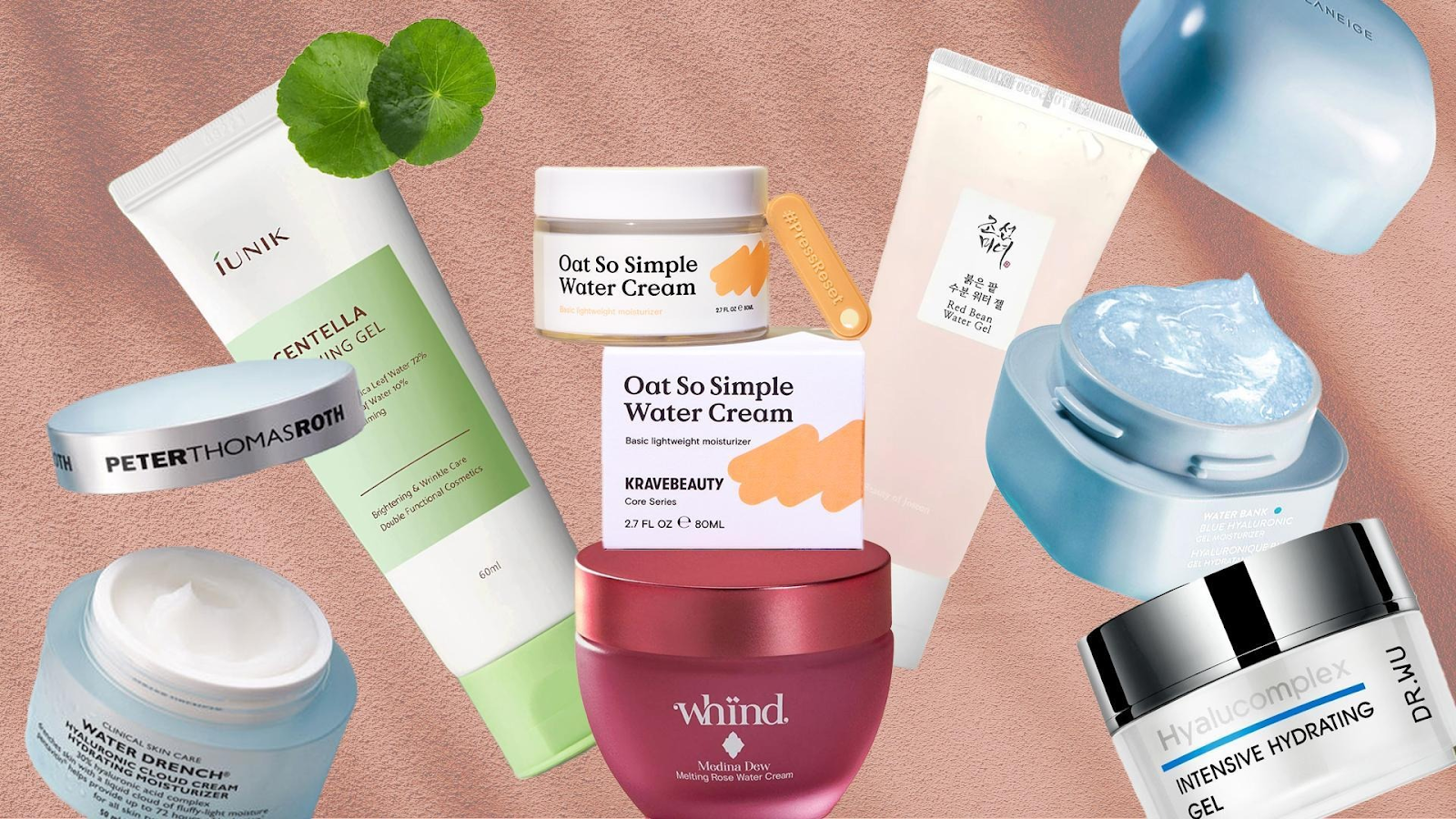
In the realm of skincare, a good face moisturizer is often considered the cornerstone of a healthy and glowing complexion. It’s the product that hydrates, protects, and helps to maintain the skin’s natural barrier, preventing moisture loss and environmental damage. But with countless options available in the market, selecting the right moisturizer can be a daunting task. This comprehensive guide aims to shed light on the importance of face moisturizers, their types, key ingredients, and how to choose the best one for your specific skin needs.
The Importance of Face Moisturizers
- Hydration: The primary function of a moisturizer is to hydrate the skin by replenishing lost moisture. Dry skin can become flaky, itchy, and prone to irritation. Regular moisturizing helps to maintain optimal hydration levels, keeping the skin soft, supple, and healthy.
- Protection: Moisturizers act as a barrier between the skin and the environment, shielding it from harmful pollutants, UV rays, and other external factors that can cause damage. They help to prevent moisture loss and premature aging.
- Improved Skin Texture: A well-moisturized skin tends to have a smoother, more even texture. It may also appear plumper and more youthful.
- Reduced Inflammation: Moisturizers can help to soothe and reduce inflammation, which is often associated with conditions like eczema and psoriasis.
Types of Face Moisturizers
- Creams: Creams are thicker and richer in texture, making them ideal for dry to very dry skin. They provide intense hydration and nourishment.
- Lotions: Lotions are lighter and more easily absorbed than creams, making them suitable for normal to slightly dry skin. They offer a good balance of hydration and moisture retention.
- Gels: Gels are lightweight and non-greasy, making them perfect for oily or combination skin. They hydrate without clogging pores.
- Serums: Serums are concentrated formulas that deliver potent active ingredients to the skin. They are often used in conjunction with a moisturizer to target specific skin concerns, such as wrinkles, hyperpigmentation, or acne.

Key Ingredients to Look For
- Hyaluronic Acid: This naturally occurring substance is a powerful humectant that can hold up to 1000 times its weight in water, providing intense hydration.
- Glycerin: Another humectant, glycerin draws moisture from the air and into the skin, leaving it soft and supple.
- Ceramides: They help to seal in moisture and protect the skin from irritants.
- Antioxidants: Antioxidants, such as vitamin C, vitamin E, and green tea extract, help to neutralize harmful free radicals that can contribute to premature aging and skin damage.
- SPF: If you’re looking for a daytime moisturizer, choose one with a broad-spectrum SPF of at least 30 to protect your skin from harmful UV rays.
Choosing the Right Moisturizer for Your Skin Type
- Dry Skin: Opt for a rich cream or lotion that is packed with hydrating ingredients like hyaluronic acid and glycerin.
- Oily Skin: Choose a lightweight gel or lotion that is non-comedogenic (won’t clog pores). Look for ingredients like salicylic acid to help control excess oil.
- Combination Skin: Use a moisturizer that is specifically formulated for combination skin. It should provide hydration to dry areas without leaving oily areas greasy.
- Sensitive Skin: Look for fragrance-free and hypoallergenic moisturizers. Avoid products containing harsh chemicals or irritants.

Tips for Effective Moisturizing
- Cleanse Gently: Before applying moisturizer, cleanse your face with a gentle cleanser to remove dirt, oil, and makeup.
- Apply Immediately: Apply moisturizer to damp skin to help seal in moisture.
- Use a Night Cream: A thicker night cream can provide more intense hydration while you sleep.
- Patch Test: If you have sensitive skin, do a patch test on a small area of skin before applying a new moisturizer.
- Consider Your Lifestyle: If you spend a lot of time outdoors or in dry climates, you may need a more intensive moisturizer.
Conclusion
A good face moisturizer is an important part of any skincare routine. By understanding your skin type and choosing the right product, you can help to maintain a healthy, hydrated, and radiant complexion. Remember, consistency is key. Regular moisturizing will yield the best results over time.
FAQs
What is a face moisturizer?
A face moisturizer is a skincare product designed to hydrate and protect your skin from dryness and environmental factors. It helps to maintain your skin’s moisture barrier, preventing it from losing water and becoming flaky or irritated.
Why is it important to use a face moisturizer?
Moisturizing your face is crucial for maintaining healthy, glowing skin. It helps to:
Prevent dryness: By replenishing lost moisture, moisturizers keep your skin soft and supple.
Protect against environmental damage: Moisturizers act as a barrier, shielding your skin from harmful UV rays, pollution, and other environmental stressors.
Reduce the appearance of fine lines and wrinkles: Well-hydrated skin appears plumper and more youthful.
Improve skin texture: Regular moisturizing can help to improve skin texture and reduce the appearance of rough patches.
How to choose the right face moisturizer for your skin type:
Dry skin: Look for moisturizers that are rich in emollients and humectants, such as shea butter, glycerin, and hyaluronic acid.
Oily skin: Opt for lightweight, oil-free moisturizers that won’t clog your pores. Look for products labeled as “non-comedogenic.”
Combination skin: Use a moisturizer that balances hydration and oil control. Look for products that contain ingredients like niacinamide and salicylic acid.
Sensitive skin: Choose fragrance-free, hypoallergenic moisturizers that are gentle on your skin. Look for products with soothing ingredients like aloe vera and chamomile.
When should you apply face moisturizer?
The best time to apply face moisturizer is after cleansing your face, while your skin is still slightly damp. This helps to lock in moisture and enhance the effectiveness of the product.
How often should you apply face moisturizer?
Most people should apply face moisturizer twice a day, once in the morning and once at night. However, you may need to apply it more frequently during dry weather or if your skin is particularly dry.
To read more, click here.