
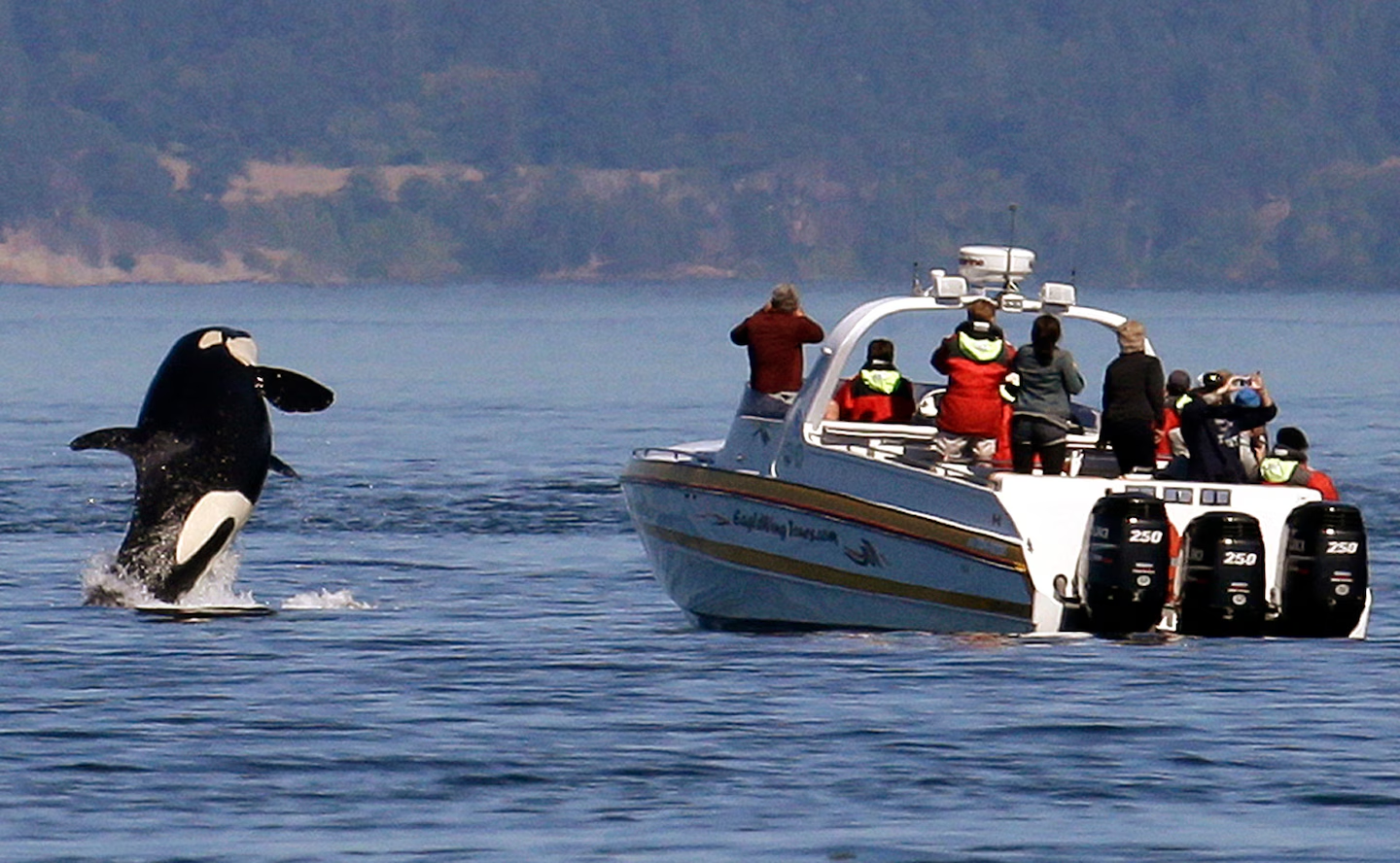
Killer whales attacking boats- The once harmonious relationship between humans and orcas, often hailed as the ocean’s most intelligent creatures, has taken a surprising turn. In recent years, there has been a surge in incidents involving killer whales and boats, sparking a wave of concern and intrigue. This article delves into the puzzling phenomenon, exploring the potential reasons behind these interactions, and the implications for both marine life and human activities.
A New Chapter in Orca Behavior
Historically, killer whales have commanded respect and awe, often viewed as apex predators at the top of the marine food chain. Their intelligence, complex social structures, and powerful hunting abilities have fascinated scientists and the public alike. However, a shift in their behavior is challenging our long-held perceptions.
The spate of incidents involving orcas and boats began to gain prominence in 2020 when multiple reports emerged of these majestic creatures interacting aggressively with vessels in European waters. These interactions ranged from minor nudges and bites to more severe attacks resulting in damaged rudders and even sunken yachts.
Unraveling the Mystery: Why Are Orcas Targeting Boats?
Scientists and marine biologists are racing to understand the reasons behind this unusual behavior. While definitive answers remain elusive, several theories have been proposed:
Playful Behavior: Some experts suggest that these interactions might be a form of juvenile play, with young orcas experimenting with their environment. This theory is supported by observations of orcas engaging in similar playful activities with other marine objects.
Accidental Encounters: It’s possible that these incidents are accidental, with orcas simply misidentifying boats as potential prey or toys. Their powerful sonar systems might be misinterpreting the echoes from boats as those of fish or marine mammals.
Stress and Frustration: Changes in marine ecosystems, including overfishing, pollution, and habitat loss, could be contributing to increased stress and frustration among orca populations. This stress might manifest in aggressive behavior towards human-made objects.
Learned Behavior: There’s growing evidence to suggest that orcas are capable of learning new behaviors from each other. Once one individual discovers that interacting with boats can be rewarding, either through curiosity or accidental damage, other members of the pod might imitate the behavior.
The Impact on Marine Ecosystems and Human Activities
The increasing frequency of orca-boat interactions raises significant concerns for both marine ecosystems and human activities. Damaged boats and lost livelihoods are immediate consequences for the boating community. Moreover, these encounters can disrupt orca behavior, affecting their feeding patterns, social structures, and overall well-being.
As the number of incidents grows, there is a pressing need to develop effective strategies to mitigate the risks for both humans and orcas. This includes improving our understanding of orca behavior, implementing stricter boating regulations in certain areas, and exploring innovative technologies to deter orcas from approaching boats.
A Call for Conservation and Coexistence
Ultimately, the key to addressing the issue of orca-boat interactions lies in a comprehensive approach that prioritizes both marine conservation and human safety. Protecting orca habitats, reducing pollution, and implementing sustainable fishing practices are crucial steps towards ensuring the long-term survival of these magnificent creatures.
By fostering a deeper understanding of orcas and their behavior, we can work towards a future where humans and marine life can coexist peacefully. The challenge is immense, but the rewards of preserving these iconic animals and their delicate ecosystems are immeasurable.
As research continues to shed light on the complex factors driving this phenomenon, it is essential to approach the issue with caution and empathy. By working together, scientists, policymakers, and the public can contribute to finding sustainable solutions that protect both orcas and the human communities that rely on the ocean.
The mystery surrounding killer whales attacking boats remains a captivating and concerning subject. As our knowledge of these intelligent creatures grows, so too does our responsibility to ensure their protection and the preservation of the delicate balance of marine ecosystems.
FAQs
Killer Whales and Boats: A Growing Concern
Killer whales, often mistakenly called “killer whales,” are intelligent and powerful marine mammals. While they usually pose no threat to humans, a recent surge in incidents involving orcas and boats has raised concerns.
Orca Behavior
Q: Why are orcas attacking boats?
A: The exact reasons behind this behavior are still under investigation. Theories include playful interactions, defense of territory, and a learned behavior spreading through the orca population. Some experts believe it might be a form of retaliation for past human interactions with these animals.
Q: Are orcas dangerous to humans?
A: While orcas are apex predators, attacks on humans are extremely rare. The incidents involving boats primarily target the vessels themselves, not the people on board. However, it’s essential to maintain a safe distance and respect these animals.
Q: Where are these attacks happening?
A: Most of the reported incidents have occurred in the Strait of Gibraltar and surrounding waters. However, similar behavior has been observed in other regions as well.
Boat Safety
Q: How can boaters protect themselves from orca attacks?
A: While there’s no guaranteed way to prevent an orca encounter, boaters can take precautions. These include:
Maintaining a safe distance from orcas
Avoiding sudden movements or aggressive behavior
Using noise-making devices to deter orcas (although effectiveness is debatable)
Wearing life jackets and having emergency equipment on board
Q: Should I avoid certain areas due to orca activity?
A: If you’re planning a trip to an area known for orca encounters, it’s advisable to research the situation beforehand. Local authorities and marine organizations can provide the latest information.
Q: What should I do if I encounter orcas while boating?
A: If you encounter orcas, remain calm and avoid provoking them. Keep a safe distance and observe the animals without disturbing their behavior. If the orcas become aggressive, it’s crucial to prioritize the safety of yourself and your crew.
Research and Conservation
Q: Are scientists studying this phenomenon?
A: Yes, marine biologists and researchers are actively studying orca behavior to understand the reasons behind these attacks. Their findings will help develop effective strategies to protect both humans and orcas.
Q: How can I help protect orcas?
A: Supporting conservation efforts, reducing plastic pollution, and promoting sustainable fishing practices can help protect orca populations and their habitat. Additionally, educating the public about orca behavior and the importance of marine ecosystems is crucial.
Media Coverage and Misinformation
Q: Is the media exaggerating the threat of orca attacks?
A: It’s essential to approach media reports with a critical eye. While it’s important to be aware of the situation, sensationalized headlines can create unnecessary fear. Rely on reputable sources for accurate information.
Q: How can I verify information about orca attacks?
A: Check information from multiple sources, including scientific publications, government agencies, and reputable marine conservation organizations. Be cautious of social media posts and unverified claims.
It’s important to remember that orcas are wild animals and should be treated with respect. By understanding their behavior and taking appropriate precautions, we can coexist peacefully with these magnificent creatures.
Would you like to know more about a specific aspect of orca behavior or boat safety?
To read more; click here