
Have you ever had the feeling that despite your best efforts, your spouse is just not understanding you? Or maybe you crave acts of service, but your partner showers you with compliments that leave you feeling emotionally distant? The reason for this disconnect might lie in something called Love Languages.
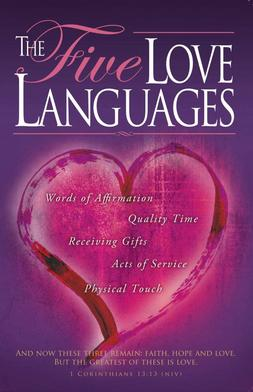
Developed by Dr. Gary Chapman in his book The 5 Love Languages, this concept proposes that people give and receive love in five distinct ways: Words of Affirmation, Acts of Service, Receiving Gifts, Quality Time, and Physical Touch. By understanding your own love language and your partner’s, you can bridge the communication gap and create a more fulfilling relationship.

Unveiling the Love Languages
Let’s delve deeper into each of the five love languages and explore how people express and experience love through them:
Words of Affirmation: For individuals with this love language, verbal expressions of love and appreciation hold immense value. They thrive on compliments, words of encouragement, and terms of endearment. If this is your language, hearing things like “I love you,” “You look amazing,” or “I’m so proud of you” can truly make your day.
Acts of Service: Actions speak louder than words for those whose love language is Acts of Service. Grand gestures aren’t necessary; it’s the thoughtfulness behind everyday tasks that matters. Running errands, doing chores, making coffee, or planning a surprise dinner are all ways to show love and devotion.
Receiving Gifts: People with this love language feel cherished when they receive gifts, big or small. It’s not about materialism, but the symbolism behind the gift. A thoughtful present, a bouquet of flowers for no reason, or a handmade card can demonstrate that you’re thinking of them and care about their happiness.
Quality Time: For those who value Quality Time, undivided attention and shared experiences are the key to feeling loved. Putting away distractions, engaging in meaningful conversations, or simply enjoying a quiet activity together shows them you prioritize their presence in your life.
Physical Touch: Physical intimacy is a core aspect of love for individuals with this love language. Hugs, kisses, cuddles, or simply holding hands are essential ways they feel loved and connected. It’s not just about sexual intimacy, but any form of non-sexual touch that conveys affection and care.
Beyond the Basics: Nuances and Individuality
It’s important to remember that these are just categories, and most people have a combination of two or more love languages. The strength of each language can also vary between individuals. Here are some additional factors to consider:
Love languages can change over time: Your primary love language might shift throughout your life based on experiences and relationships.
Love languages are not about getting: The goal is to understand how your partner feels loved, not to manipulate them into fulfilling your needs.
Love languages apply to all relationships: This concept can be used to strengthen bonds with friends, family members, and even colleagues.

How to Discover Your Love Language
If you’re unsure about your primary love language, here are a few tips to help you discover it:
Reflect on past relationships: Think back on times you’ve felt most loved and appreciated. What kinds of gestures resonated most with you?
Consider what you crave most: Do you yearn for words of praise, quality time spent together, or thoughtful acts of service?
Pay attention to what you give: Often, the way we express love to others reflects our own love language.
Taking the Love Language Quiz
While not a definitive answer, online quizzes based on Dr. Chapman’s work can provide valuable insights into your love languages. You can find these quizzes on Dr. Chapman’s website [1].
Putting Love Languages into Practice
Once you and your partner understand each other’s love languages, the real magic begins! Here’s how to use this knowledge to strengthen your connection:
Speak each other’s language: Make a conscious effort to express love in ways that resonate with your partner.
Don’t neglect your own language: While it’s important to fulfill your partner’s needs, don’t forget to nurture your own.
Appreciate the differences: Embrace the fact that you might have different love languages. Celebrate the unique ways you express and experience love.
Communication is key: Talk openly about your love languages and how you’d like to be shown love.
Be patient and understanding: Changing ingrained habits takes time. Be patient with yourself and your partner as you learn to speak each other’s love languages.
Love is a journey: The five love languages are a tool, not a guarantee. Keep the spark alive by finding new ways to express love and appreciation throughout your relationship.
By understanding and appreciating your partner’s love language, you can create a deeper connection, foster a more fulfilling relationship, and ensure both your needs are met. Remember, love is a journey, and with a little effort, you can navigate it together, hand-in-hand.

FAQs
In the ever-confusing world of relationships, understanding how your partner (and yourself) prefers to receive love can be a game-changer. Here, we delve into the five love languages, a concept created by Dr. Gary Chapman, to help you navigate the beautiful yet sometimes bewildering world of love.
What are the Five Love Languages?
The five love languages are:
Words of Affirmation: For these individuals, expressing love through compliments, words of encouragement, and verbal expressions of affection is paramount.
Acts of Service: Love is shown through helpful actions that lighten their load. Running errands, cooking dinner, or doing chores speaks volumes to them.
Receiving Gifts: The tangible tokens of love, big or small, hold deep meaning for them. It signifies that you’re thinking of them and putting effort into the relationship.
Quality Time: Undistracted, focused attention is their love language. Putting away your phone, having deep conversations, or engaging in shared activities makes them feel loved.
Physical Touch: Non-sexual physical affection like hugs, cuddles, holding hands, or a back rub communicates love and emotional connection for them.
Why are the Love Languages Important?
People often express love in the way they themselves prefer to receive it. However, misunderstandings arise when partners speak different “love languages.” By understanding your partner’s language and expressing love in a way that resonates with them, you can strengthen your connection and feel more loved and appreciated.
YouTube Whispers: Addressing Your Love Language Concerns
Based on popular YouTube searches, here are some common questions about love languages addressed:
“How do I find out my love language?” Your predominant love language can be found with the use of numerous internet quizzes. However, remember, these are not definitive. You might have a combination of preferences.
“What if my partner and I have different love languages?” This is common! The key is to understand each other’s languages and make a conscious effort to express love in ways that resonate with your partner.
“Can the love languages change over time?”It is possible for your love languages to change over time. Communication and open discussions about your needs are crucial for a healthy relationship.
Where can I find more information about the Love Languages?
Dr. Gary Chapman’s website: https://5lovelanguages.com/ offers resources, books, and quizzes to delve deeper into the concept.
Relationship blogs and websites often discuss the love languages and provide tips for incorporating them into your relationship.
Remember: The love languages are a tool for understanding and nurturing your relationship. By speaking each other’s language, you can build a stronger connection and create a more fulfilling love story.
To read more, Click Here.