

Melissa vandella, The internet thrives on outlandish theories, and the world of music is no stranger to them. One such enduring conspiracy theory revolves around Canadian pop-punk icon Avril Lavigne and a mysterious figure named Melissa Vandella. Here, we delve into the origins of this theory, explore the “evidence” used to support it, and ultimately debunk it for what it is: a creative internet myth.
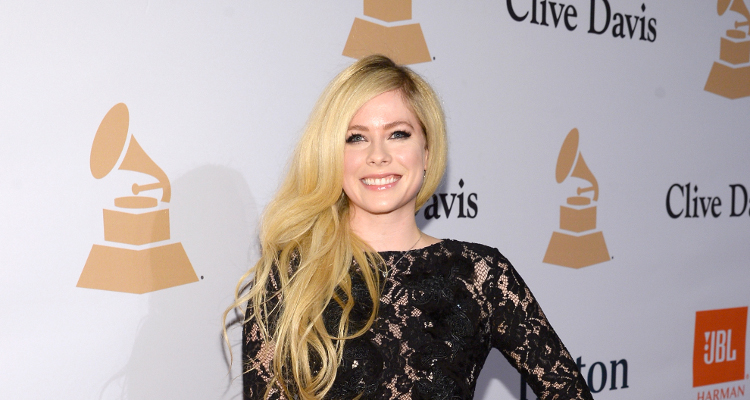
The Rise of the Conspiracy: Avril Lavigne, Dead at 18?
The rumor mill started churning in the early 2000s, shortly after Lavigne’s explosive debut album, “Let Go,” propelled her to international stardom. The narrative goes that Lavigne tragically died in 2003, and her record company, in a desperate bid to maintain profits, replaced her with a lookalike named Melissa Vandella.
This theory gained traction on online forums and social media, fueled by a combination of factors:
Shifting Appearance: Lavigne’s style undeniably evolved over the years. Her signature skater punk look with choppy black hair and heavy eyeliner gradually softened. Fans fixated on these changes, interpreting them as evidence of a different person inhabiting Lavigne’s life.
Subliminal Messaging Claims: Some listeners scrutinized the lyrics and music videos of Lavigne’s follow-up album, “Under My Skin” (2004), searching for cryptic messages hinting at her demise. The darkness and introspection present in the album were seen as clues rather than artistic growth.
The “Melissa” Photo: An image from a promotional photoshoot added fuel to the fire. Lavigne has the name “Melissa” written on her hand, leading some to believe it was a deliberate hint at her supposed replacement.
Unveiling the Fallacies: Why the Theory Doesn’t Hold Up
While the conspiracy has captivated some corners of the internet, it crumbles under closer examination. Here’s why the Melissa Vandella theory simply doesn’t hold water:
Evolving Image is Natural: It’s common for artists to experiment with their sound and image as they mature. Lavigne’s stylistic shift mirrored her personal growth and desire to explore different musical avenues. Attributing this evolution to a body double is a stretch.
Misinterpreted Lyrics: The darkness in “Under My Skin” likely stemmed from Lavigne’s experiences with fame and heartbreak, not a morbid plot twist. Songwriters often use metaphors and symbolism, which were misconstrued as literal messages of death.
The “Melissa” Photo Debunked: The name “Melissa” on Lavigne’s hand was most likely a playful note from a stylist or makeup artist during the photoshoot. It holds no deeper meaning.
Beyond the Conspiracy: Lavigne’s Enduring Legacy
The Melissa Vandella theory, while imaginative, takes away from Lavigne’s talent and dedication. Here’s a look at her achievements:
Chart-Topping Success: Lavigne’s debut album remains a pop-punk masterpiece, selling over 16 million copies worldwide. Her subsequent albums have seen continued success, solidifying her place in music history.
Influential Figure: Lavigne’s music empowered young women, particularly with her rebellious spirit and focus on female empowerment.
Addressing the Rumors: Lavigne herself has addressed the conspiracy theory with humor, even wearing a t-shirt that playfully reads “Avril Lavigne is alive.”
The Allure of Conspiracy Theories: Why Do We Believe Them?
The Melissa Vandella theory exemplifies the human fascination with conspiracy theories. Here are some reasons why they spread:
Need for Explanation: Conspiracy theories offer a sense of control and understanding in a complex world. They provide a seemingly clear answer to confusing events.
Confirmation Bias: People tend to seek out information that confirms their existing beliefs, ignoring evidence that contradicts them. This selective processing fuels conspiracy theories.
The Power of Community: Online forums dedicated to these theories foster a sense of belonging and shared knowledge. Believers feel part of a group “in the know.”
Fact vs. Fiction: The Importance of Critical Thinking
The internet offers a wealth of information, but it also allows misinformation to spread. Here are some tips to approach online information critically:
Source Credibility: Check the source of information before accepting it as fact. Look for reputable news outlets or established websites.
Evidence-Based Claims: Reliable information is backed by evidence. Look for factual citations and avoid articles relying solely on speculation.
Cross-Verification: Don’t rely on a single source. Verify information by checking other credible sources.

FAQ’S
Who is Melissa Vandella?
Melissa Vandella is a name that popped up in a bizarre conspiracy theory surrounding Canadian singer Avril Lavigne. The theory suggests that Lavigne died in 2003, shortly after the release of her debut album “Let Go,” and was replaced by a lookalike named Melissa Vandella.
Why did this conspiracy theory even start?
There’s no single reason, but some factors fueled the speculation:
Changes in Appearance: Lavigne’s style and appearance did evolve over the years. This is natural for any artist, but some fans fixated on these changes as evidence of a switcheroo.
Subliminal Messaging Claims: Some theorized hidden messages in Lavigne’s album “Under My Skin” (2004) hinted at her death or replacement. These messages have been widely debunked.
Promotional Photoshoot: A photoshoot where Lavigne has “Melissa” written on her hand is often cited as proof. This was likely just a random word scribbled during the shoot and has no deeper meaning.
Is there any truth to the Melissa Vandella story?
No. Lavigne herself has addressed the theory multiple times, calling it “crazy” and untrue. There’s simply no credible evidence to support the idea of her being replaced.
Why do conspiracy theories like this emerge?
There are many reasons. Some fans might have difficulty accepting the idea of their favorite artist changing or maturing. In the age of social media, these theories can spread quickly and gain traction, even without factual basis.
What are some common questions people have about Melissa Vandella?
Is Melissa Vandella a real person? There’s no evidence to suggest Melissa Vandella is a real person beyond the conspiracy theory.
Did Avril Lavigne really die? Absolutely not. Lavigne is alive and well, continuing to make music and tour.
Where can I find proof of the Melissa Vandella theory? Most “proof” comes from speculation and misinterpretations. Reliable sources debunk the theory.
Has Avril Lavigne ever addressed the conspiracy? Yes, Lavigne has laughed it off in interviews and even embraced the absurdity by wearing shirts that say “Avril Lavigne is alive.”
What are some reliable sources for information on Avril Lavigne?
Avril Lavigne’s official website and social media channels.
Reputable music news outlets and interviews.
Established biographies of Lavigne.
So, what can we take away from this?
The Melissa Vandella conspiracy theory is a fun internet oddity, but it’s important to rely on credible sources for information. Lavigne is a talented artist who continues to make music, and fans can enjoy her work without getting lost in conspiracy theories.
To read more, Click here