
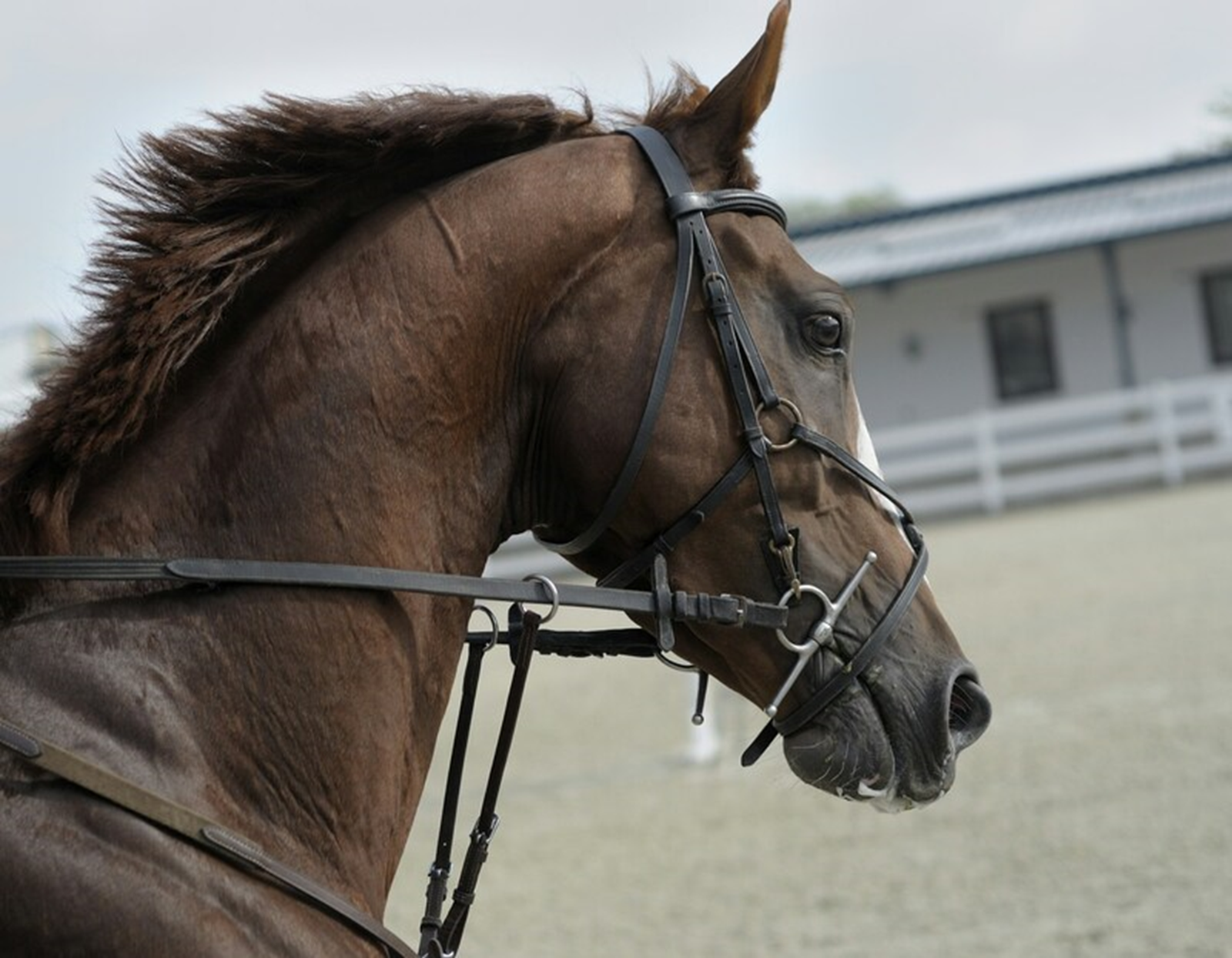
The imagery of Leeds and Yorkshire is filled with symbols, from the white rose encompassing the region to eagles and the blazon on county council coats of arms. Yet an image that crops up in and around Yorkshire frequently is that of the horse. Entwined with its past, the horse helped build the foundations of the county and the industry of Leeds itself. In this article, we discuss the symbolism of the horse in Yorkshire’s rich cultural heritage.
The Horse’s Place in the History of Leeds and Yorkshire
Leeds would not exist in its current form had it not been for the fabric and textile industry. At the time of the Industrial Revolution, the city began to grow rapidly due to its production of these products. Horses became integral to the transportation of these goods. The animals would be stacked up with rolls of cloth and moved around the city, to canal boats that would send them across the world.
You can even visit a beautiful statue dedicated to the animal at Leeds Trinity Shopping Centre. This giant silver horse was created by the artist Andy Scott, who was also responsible for a series of sculptures in Grangemouth, Scotland.
Racecourses of North Yorkshire
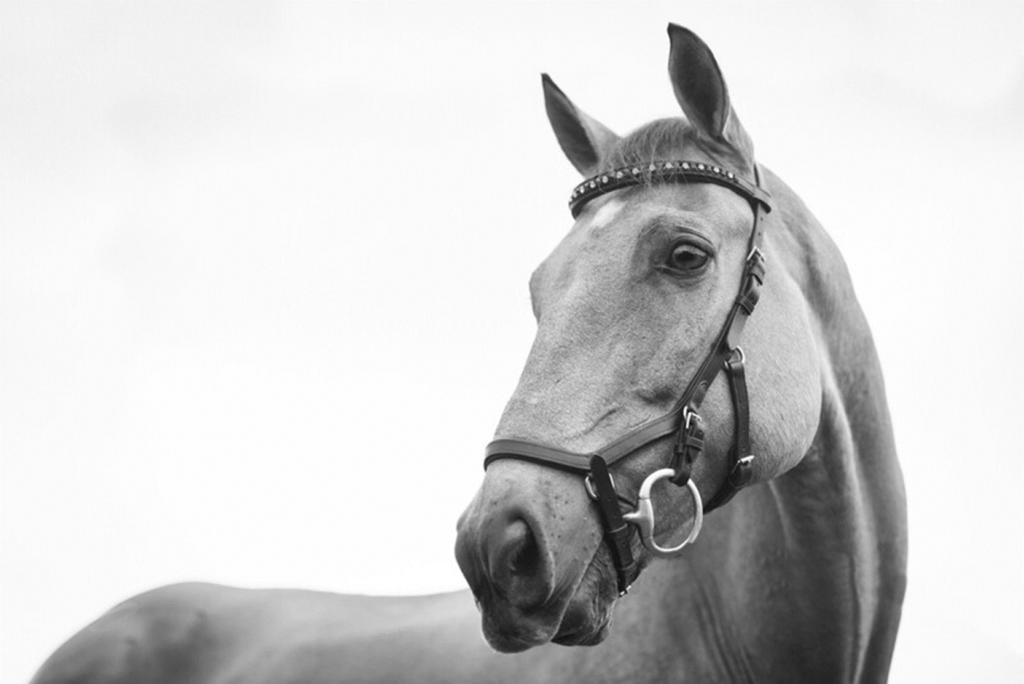
This fascination with the horse is evident in the burgeoning equine culture endemic in the area. Racecourse are aplenty in North Yorkshire, and much loved by its inhabitants. This has only grown in the past few years, as the ability to watch races through streaming devices has improved. Racing has become more accessible, and even racehorse ownership has been put in the grasp of the person on the street. This has been done through online syndicates, which have very low entry fees for buying shares. Owners can then track the horse’s progress through the web portals provided. Thus, there has never been a better time to be involved in horse racing in Yorkshire.
To the north east of Leeds lies Wetherby Racecourse. It is primarily a National Hunt course, which means horses that race have to jump obstacles in longer races. Racing there is known to date as far back as 1891, and before the fifties the course even had its own railroad station due to its popularity.
In contrast, a short drive away at York Racecourse you can watch some of the best flat racing in the country. Racing in this city is believed to have dated back to Roman times. Its most important meeting is the Ebor festival in August. It is the third biggest racecourse in the UK in terms of the prize money it offers in the space of a year.
The Kilburn White Horse
On a clear day, from a good vantage point, you may be able to see the Kilburn White Horse from Leeds. Despite being 28 miles away, this piece of art created in 1857 is the largest and most northerly white horse hill figure in the United Kingdom. Known as the Old Grey Mare, it skirts the border of the North Yorkshire Moores National Park.
Many people believe that this is not a true geoglyph, as it was carved into limestone and not chalk. Thus, every once in a while it requires a spray of white to keep it looking bright and alive. However, most people don’t mind what it is made from. It is another symbol, standing bright on the hillside, that shows the beauty and majesty of this beautiful county and its eternal link with the horse.
To read more, Click Here