

Understanding Robot Vacuum Cleaners
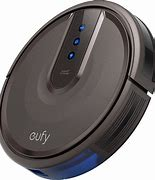
Robot vacuum cleaners, or robotic vacuums, have revolutionized home cleaning. These autonomous devices navigate your floors, picking up dust, dirt, and debris with minimal human intervention. Equipped with advanced sensors and mapping technology, they efficiently clean carpets, hardwood floors, and tiles.
Key Features and Benefits
Autonomy
Robot vacuums operate independently, allowing you to focus on other tasks.
Convenience
Scheduled cleaning, remote control, and app integration offer flexibility and convenience.
Allergy Relief
Effective at capturing allergens, dust mites, and pet hair, improving indoor air quality.
Time-Saving
Regular cleaning helps maintain a clean home with less effort.
Variety of Models
Options range from basic models to advanced units with mopping capabilities and self-emptying docks.
How Robot Vacuum Cleaners Work
Most robot vacuums utilize a combination of sensors and cameras to navigate your home. They create virtual maps, identify obstacles, and plan cleaning paths accordingly. Powerful suction and specialized brushes lift dirt and debris from carpets and hard floors.
Advanced models feature features like:
Lidar technology
For precise mapping and navigation.
Multiple cleaning modes
For customized cleaning routines.
Smart home integration
Control your robot vacuum through voice commands or smartphone apps.
Choosing the Right Robot Vacuum
Selecting the ideal robot vacuum depends on your specific needs and preferences. Consider the following factors:
Room size and layout Larger homes may require more powerful models with longer battery life.
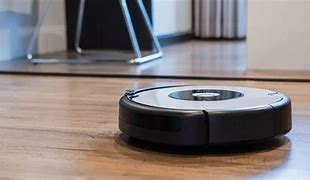
Floor types Choose a vacuum suitable for your floor coverings (carpet, hardwood, tile).
Pet ownership Look for models with strong suction and effective pet hair removal.
Allergies: Opt for vacuums with HEPA filters to capture allergens.
Budget: Determine your spending limit to narrow down options.
Top Robot Vacuum Brands and Models
The market offers a wide range of robot vacuum cleaners. Some popular brands include:
iRobot Roomba
Known for reliability and advanced features.
Ecovacs Deebot
Offers a variety of models with competitive prices.
Roborock
Provides high-performance options with advanced mapping technology.
Shark AI Robot:
Combines powerful suction with smart features.
Dyson:
Known for innovative technology and powerful suction.
sub6: Maintenance and Care
To ensure optimal performance, regular maintenance is essential. This includes:
Emptying the dustbin: Regularly to prevent clogging.
Cleaning filters: To maintain suction power and air quality.
Charging the battery: After each use or when battery level is low.
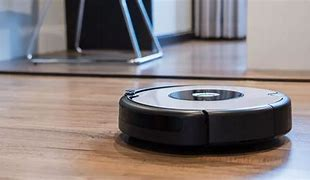
Checking for obstructions: Remove any hair, cords, or objects that may hinder the robot’s movement.
sub7: The Future of Robot Vacuum Cleaners
Technology continues to advance, and we can expect even more sophisticated robot vacuum cleaners in the future. Features like self-cleaning stations, improved obstacle avoidance, and increased intelligence are on the horizon.
As the market expands, competition will drive down prices, making robot vacuum cleaners accessible to a wider audience. The future of home cleaning looks increasingly automated and convenient.
FAQ
What is a robot vacuum cleaner?
A robot vacuum cleaner is a self-contained device designed to clean floors autonomously. It uses sensors and artificial intelligence to navigate around your home, picking up dirt, dust, and debris.
How does a robot vacuum cleaner work?
Most robot vacuums use sensors to map out your home and create a cleaning path. They have brushes to sweep up dirt, and strong suction to pull it into a dustbin. Some models also include mopping capabilities.
What are the benefits of owning a robot vacuum cleaner?
Convenience: Saves time and effort by cleaning automatically.
Efficiency: Can often reach areas that traditional vacuums miss.
Improved air quality: Helps reduce allergens and dust mites.
Flexibility: Many models offer scheduling and app control.
How do I choose the right robot vacuum cleaner?
Consider the following factors:
Room size:
Larger homes may require more powerful models.
Floor type: Choose a vacuum suitable for your floor coverings (carpet, hardwood, tile).
Pet ownership: Look for models with strong suction and effective pet hair removal.
Budget: Determine your spending limit to narrow down options.
Additional features: Consider features like mopping, self-emptying, and smart home integration.
Can robot vacuum cleaners clean carpets effectively?
Yes, many robot vacuums are designed to clean carpets effectively. Look for models with strong suction power and specialized brushes for carpet cleaning.
Can robot vacuum cleaners climb stairs?
No, most robot vacuum cleaners cannot climb stairs. They rely on sensors to detect drop-offs and avoid them.
How often should I empty the dustbin?
The frequency depends on the size of your home and how often you use the robot vacuum. Generally, emptying the dustbin every 2-3 uses is recommended.
Can I use a robot vacuum cleaner on hardwood floors?
Yes, most robot vacuum cleaners are suitable for hardwood floors. Some models even have specific settings for hardwood floors.
Are robot vacuum cleaners noisy?
Newer models are generally quieter than older ones. However, some noise is expected during operation.
Can I schedule my robot vacuum cleaner to clean?
Yes, many models allow you to schedule cleaning times. This is convenient for maintaining a clean home without constant supervision.
Can I control my robot vacuum cleaner with my smartphone?
Yes, many robot vacuum cleaners offer app control, allowing you to start, stop, and schedule cleaning from your phone.
To read more click here