
Introduction
Runaway bridegroom- The concept of a “runaway bridegroom” is a fascinating and often tragic tale that has captured the imagination of people for centuries. This phenomenon, where a groom vanishes without a trace on his wedding day, has been the subject of countless stories, songs, and films. While the reasons behind such actions can vary widely, the underlying theme often revolves around a deep-seated fear of commitment, a sense of being trapped, or a desire to escape a difficult situation.
This article will delve into the world of the runaway bridegroom, exploring the historical context, psychological factors, and cultural implications surrounding this perplexing behavior. We will examine real-life cases, analyze the emotional impact on the bride and her family, and discuss the legal and social ramifications of disappearing on one’s wedding day.
Historical Context
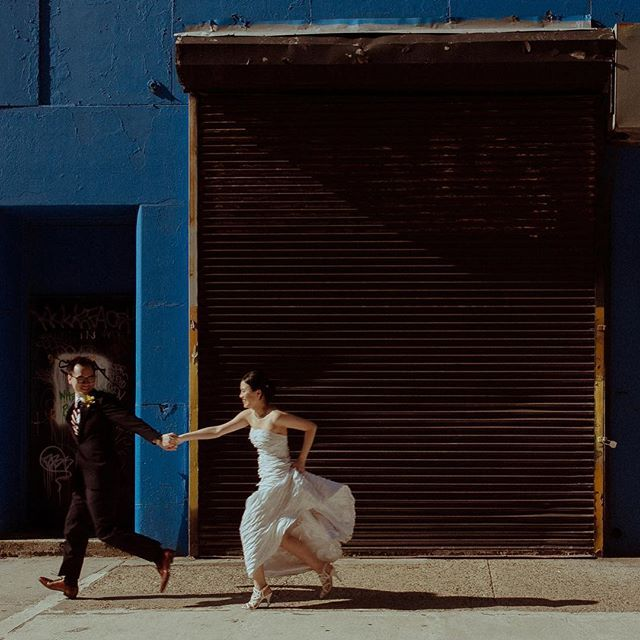
The phenomenon of the runaway bridegroom has a long and storied history. Ancient Greek and Roman mythology offer tales of men who fled their weddings to avoid fulfilling their marital obligations. In medieval Europe, there were instances of men who vanished on their wedding day to escape political or religious persecution.
The industrial revolution brought about significant changes in societal norms and expectations, including those related to marriage. The rise of individualism and the pursuit of personal happiness led to a decline in arranged marriages and an increase in romantic love. However, this newfound freedom also created opportunities for individuals to avoid unwanted commitments.
Psychological Factors
The decision to disappear on one’s wedding day is often rooted in deep-seated psychological issues. Some men may experience a sense of panic and dread as they approach the altar, fearing the loss of their independence or the weight of lifelong responsibility. This fear can be exacerbated by underlying anxieties, insecurities, or unresolved childhood traumas.
Others may feel trapped in a relationship that they no longer desire. They may have doubts about their compatibility with their partner, or they may simply be overwhelmed by the prospect of marriage. In some cases, the runaway groom may be seeking a way to escape a difficult or abusive family situation.
The Emotional Impact on the Bride
The disappearance of a groom on his wedding day can have a devastating emotional impact on the bride and her family. The shock, betrayal, and public humiliation can lead to feelings of embarrassment, anger, and deep sadness. The bride may experience a sense of loss, not only of her partner but also of her dreams and plans for the future.
The emotional trauma can be compounded by the social stigma associated with being abandoned at the altar. The bride may face judgment from friends, family, and acquaintances, and she may struggle to rebuild her life and trust in others.
Legal and Social Ramifications
The legal consequences of disappearing on one’s wedding day can vary depending on the circumstances. In some cases, the runaway groom may face charges of fraud or breach of contract if he has received gifts or payments from the bride’s family. However, it is often difficult to prove that the groom intended to deceive his partner from the outset.
The social ramifications of such behavior can be far-reaching. The runaway groom may face ostracism from his community, and his reputation may be tarnished for years to come. The incident can also have a negative impact on his family and friends, who may be embarrassed or ashamed of his actions.
Real-Life Cases
There have been numerous high-profile cases of runaway grooms throughout history. One famous example is the case of Ferdinand Waldo Demara, a Canadian imposter who posed as a doctor, lawyer, and monk. In 1954, Demara was scheduled to marry a woman named Edith Nourse Rogers. However, on the day of the wedding, he fled to New York City, leaving behind a note explaining his deception.
More recent cases have involved men who disappeared on their wedding day due to financial difficulties, relationship problems, or personal crises. These stories offer a glimpse into the complex motivations and consequences of this unusual behavior.
Cultural Perspectives
The concept of the runaway bridegroom has been explored in various cultural contexts. In some cultures, the disappearance of a groom on his wedding day is seen as a sign of bad luck or a curse. In others, it may be viewed as a humorous or even romantic tale.
The cultural context can also influence the way in which the runaway groom is perceived. In some societies, he may be seen as a villainous figure, while in others, he may be viewed with sympathy or understanding.
Conclusion
The phenomenon of the runaway bridegroom is a complex and fascinating subject that raises questions about love, commitment, and the human psyche. While the reasons behind such actions can vary widely, the underlying theme often revolves around fear, uncertainty, and a desire to escape a difficult situation.
The emotional impact on the bride and her family can be devastating, and the legal and social ramifications can be far-reaching. By understanding the historical context, psychological factors, and cultural perspectives surrounding this behavior, we can gain a deeper appreciation for the complexities of human relationships and the challenges that individuals may face in their pursuit of happiness.

FAQs
General Questions
What is a “runaway bridegroom”?
A runaway bridegroom is a groom who unexpectedly flees or disappears on his wedding day, often leaving his bride and guests bewildered and upset. This phenomenon can occur due to various reasons, including premarital doubts, relationship issues, or external pressures.
Why do grooms run away on their wedding day?
The reasons for a groom’s flight can be complex and multifaceted. Some common factors include:
Premarital doubts: The groom may have reservations about the commitment or compatibility of the relationship.
Relationship issues: Underlying problems or conflicts within the relationship might have reached a breaking point.
Family pressure: External influences, such as family expectations or disapproval, can contribute to the groom’s decision.
Financial concerns: Economic instability or uncertainty might create stress and lead to a change of heart.
Mental health issues: Personal struggles or mental health challenges could play a role in the groom’s actions.
What are the legal implications of a runaway bridegroom?
The legal consequences of a runaway groom can vary depending on the jurisdiction and the specific circumstances. In some cases, the bride may be able to pursue legal remedies, such as breach of contract or fraud, if the groom had made false promises or representations. However, the outcome of legal proceedings can be unpredictable and often depends on the strength of the evidence.
How can a bride cope with a runaway groom?
Coping with a runaway groom can be emotionally challenging. It is important for the bride to seek support from friends, family, or a therapist. Here are some tips for coping:
Seek emotional support: Talk to loved ones who can offer comfort and understanding.
Focus on self-care: Prioritize your physical and mental well-being through activities like exercise, meditation, or hobbies.
Consider professional help: A therapist can provide guidance and tools to help you process your emotions and move forward.
Legal advice: If necessary, consult with a lawyer to explore your legal options.
Specific Scenarios
What if the groom runs away on the wedding day itself?
If the groom disappears on the day of the wedding, the bride may need to make immediate decisions about canceling or postponing the event. It is important to inform guests as soon as possible and seek assistance from family or friends in handling the situation.
What if the groom disappears before the wedding day?
If the groom disappears before the wedding, the bride may have more time to process the situation and make arrangements. It is advisable to communicate with vendors and guests about the changes and explore options for refunds or rescheduling.
What if the groom returns after running away?
The decision of whether or not to reconcile with a runaway groom is a personal one. If the groom returns and expresses genuine remorse and a willingness to work on the relationship, it may be possible to rebuild trust and move forward. However, it is essential to carefully consider the circumstances and your own emotional well-being before making any decisions.
What if the groom is found to have a new relationship?
Discovering that the runaway groom has a new relationship can be particularly painful. It is important to focus on self-care and seek support from loved ones. Consider seeking professional help to navigate this difficult situation.
What can be done to prevent a groom from running away?
While there is no guaranteed way to prevent a groom from running away, open communication, trust, and addressing any underlying issues within the relationship can help reduce the risk. Premarital counseling can also provide valuable insights and tools for building a strong foundation for marriage.
Note: If you have a specific incident in mind or have further questions, please feel free to provide more details.
Helpful Resources:
[National Domestic Violence Hotline](https://www.thehotline.org/search-our-resources/)
[MentalHealth.gov](https://www.samhsa.gov/mental-health)
[American Psychological Association](https://www.apa.org/ethics/code)
To Read More; click here