
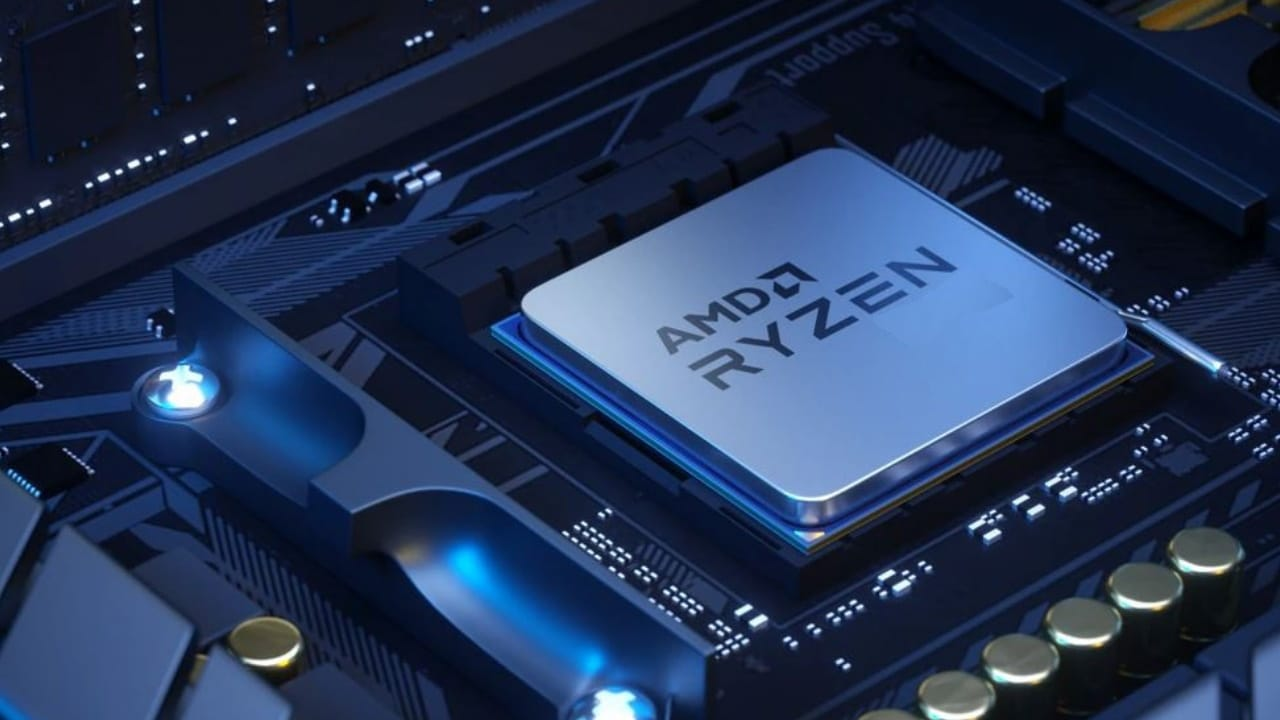
In the world of computer processors, the battle between red and blue rages on. AMD’s Ryzen brand has become a formidable force, offering powerful and efficient CPUs for gamers, content creators, and everyday users alike.
This comprehensive guide delves into the exciting world of Ryzen processors, equipping you with the knowledge to choose the perfect chip for your needs.

Unveiling the Ryzen Legacy: From Zen to Zen 4
AMD’s Ryzen journey began in 2017 with the introduction of the Zen microarchitecture. This marked a significant leap forward for AMD, offering competitive performance and dethroning Intel’s dominance in the multi-core CPU market. Since then, AMD has continued to refine its Zen architecture, with each iteration bringing improvements in performance, power efficiency, and features. Here’s a quick look at the evolution of Ryzen processors:
Zen (1st Gen): The foundation of the Ryzen family, offering excellent value and reigniting competition in the CPU market.
Zen+ (2nd Gen): Refinements to the Zen architecture resulted in improved clock speeds and performance.
Zen 2 (3rd Gen): Introduced the 7nm manufacturing process, leading to significant performance gains and power efficiency improvements.
Zen 3 (Ryzen 5000 Series): Further refined the 7nm process, boasting impressive single-core performance ideal for gamers.
Zen 4 (Ryzen 7000 Series): The latest generation, built on a 5nm process and featuring the innovative Zen 4 architecture, delivering top-tier performance and power efficiency.
Navigating the Ryzen Lineup: Understanding the Numbers
AMD’s Ryzen processor names can seem like a jumble of numbers and letters. But fret not! To assist you in cracking the code, consider this breakdown:
Ryzen 3, 5, 7, 9: These numbers indicate the core count of the processor, with Ryzen 3 offering the least cores and Ryzen 9 boasting the most. Generally, more cores translate to better performance in multi-threaded applications like video editing and 3D rendering.
Series Designation (e.g., 5000, 7000): This number signifies the generation of the Ryzen processor. Higher numbers represent newer and more advanced architectures.
Letter Suffixes (e.g., X, G): Letters like “X” often denote higher performance variants within a series, while “G” typically indicates processors with integrated graphics.

Choosing Your Ryzen Warrior: Matching Needs with Performance
With a diverse range of processors available, selecting the right Ryzen CPU depends on your specific needs and budget. Here’s a buying guide to steer you in the right direction:
Gamers: For smooth gameplay and high frame rates, consider Ryzen 5 5600X or Ryzen 7 5800X (for 3rd Gen) or their counterparts in the newer 7000 series.
Content Creators: For demanding tasks like video editing and 3D rendering, opt for Ryzen 7 processors or higher, with the Ryzen 7 7800X or Ryzen 9 7950X (from the 7000 series) offering exceptional multi-core performance.
Everyday Users: For everyday tasks like web browsing, productivity applications, and casual gaming, a Ryzen 3 or Ryzen 5 processor from either the 5000 or 7000 series will suffice.
Remember: Consider factors like your graphics card, motherboard compatibility, and budget when making your final decision.
Beyond the Core: Additional Ryzen Features to Consider
Ryzen processors offer more than just raw processing power. Here are some additional features to consider:
Integrated Graphics (APUs): Some Ryzen processors, designated with a “G” suffix, come with integrated Radeon graphics. This makes them suitable for building budget-friendly PCs without requiring a dedicated graphics card.
Overclocking: Many Ryzen processors are overclockable, allowing enthusiasts to squeeze out extra performance by increasing the clock speed (with proper cooling).
Power Efficiency: AMD’s Ryzen processors are known for their impressive power efficiency, translating to lower energy bills and cooler system operation.

The Future of Ryzen: Innovation on the Horizon
AMD isn’t resting on its laurels. With the recent launch of the Ryzen 7000 series, the company continues to push boundaries. Here’s a glimpse into what the future holds for Ryzen:
Further Refinements: Expect ongoing improvements in performance and power efficiency with future Zen architectures.
FAQs
Ryzen, the name synonymous with AMD’s powerful processors, has become a popular choice for gamers, content creators, and everyday PC users. But with so many models and technical jargon, it can be overwhelming. This FAQ tackles your burning questions about Ryzen:
What is Ryzen?
Ryzen is a brand of processors (CPUs) designed by AMD for desktops, laptops, servers, and even embedded systems. Launched in 2017, Ryzen CPUs are known for their excellent performance and competition with Intel processors.
Why Choose Ryzen?
Here are some reasons Ryzen processors are popular:
Strong Performance: Ryzen CPUs offer excellent core counts and clock speeds, making them adept at handling demanding tasks like gaming, video editing, and multitasking.
Competitive Pricing: Ryzen CPUs often provide good value for money compared to similar Intel offerings.
Power Efficiency: Many Ryzen processors are known for being power-efficient, generating less heat and consuming less electricity.
What are the Different Types of Ryzen Processors?
There are several Ryzen processor families, each catering to specific needs:
Ryzen 3: Ideal for everyday tasks and basic gaming.
Ryzen 5: A good balance between performance and price, suitable for mainstream gaming and content creation.
Ryzen 7: Excellent choice for demanding tasks like high-end gaming and video editing.
Ryzen 9: Top-of-the-line processors for professional workloads and extreme performance enthusiasts.
How Do I Choose the Right Ryzen Processor?
Consider these factors when picking your Ryzen CPU:
Budget: Ryzen offers options across various price points.
Needs: Identify your primary tasks (gaming, editing, etc.) to determine the required performance level.
Number of Cores and Threads: Generally, more cores and threads translate to better multitasking and handling demanding applications.
Compatibility: Ensure your motherboard and other components are compatible with your chosen Ryzen processor.
What are Some Common Questions about Ryzen on YouTube?
Ryzen vs. Intel: This is a constant debate. Both offer pros and cons, but Ryzen often shines in price-to-performance.
Best Ryzen CPU for Gaming: Look for Ryzen 5 or higher with strong core counts and clock speeds.
Overclocking Ryzen: Some Ryzen CPUs are overclockable for a performance boost, but research carefully to avoid damaging your system.
Resources for Further Exploration:
AMD Ryzen Processors: https://www.amd.com/en/products/processors/desktops/ryzen.html
Tom’s Hardware Ryzen CPU Buying Guide: https://www.tomshardware.com/reviews/cpu-hierarchy,4312.html
Gamers Nexus Ryzen Reviews: https://m.youtube.com/watch?v=qACIqmP8xgw
With this knowledge, you’re well on your way to choosing the perfect Ryzen processor for your needs.
Remember, research is key, and don’t hesitate to consult tech forums or review sites for specific recommendations. Happy computing!
To read more, Click Here.