
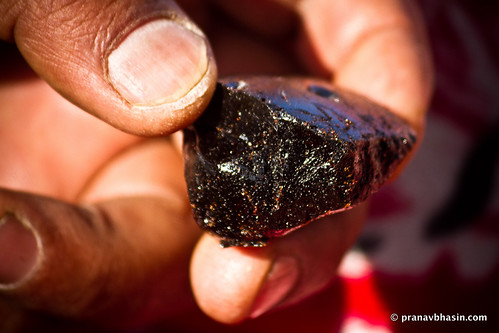
Shilajit, a sticky, tar-like substance found in the Himalayan mountains, has captured curiosity for centuries. Traditionally used in Ayurvedic medicine, it’s gained popularity as a potential health supplement in recent times. But what exactly is shilajit, and does it live up to the hype?
This article delves deep into the world of shilajit, exploring its composition, potential benefits, safety considerations, and the latest scientific findings.

What is Shilajit? A Gift from the Mountains
Shilajit forms over centuries through the gradual decomposition of plants and organic matter in the harsh Himalayan environment. Humic substances, fulvic acid, and over 84 minerals make up this complex mixture. The specific composition can vary depending on the source location.
Traditional Uses of Shilajit: A Legacy of Healing
In Ayurvedic medicine, shilajit has been used for centuries to treat a wide range of ailments. It was believed to be a rejuvenating tonic and an adaptogen, helping the body adapt to stress. Traditional uses included:
Wound healing
Digestive issues
Fatigue
Sexual dysfunction
Altitude sickness
Modern Science Explores Shilajit: Potential Benefits and Early Research
While extensive research on shilajit is still ongoing, preliminary studies suggest it might offer various health benefits. Here’s a glimpse into some promising areas of exploration:
Anti-inflammatory properties: Fulvic acid in it might have anti-inflammatory effects, potentially benefiting conditions like arthritis and inflammatory
bowel disease.
Cognitive enhancement: Some animal studies suggest it may improve memory and learning. Human trials are needed to confirm these findings.
Energy boost: It might improve cellular energy production, leading to increased energy levels. However, more research is required.
Antioxidant effects: Shilajit’s antioxidant properties could help combat free radical damage associated with aging and chronic diseases.
Bone health: Early studies show promise for it in improving bone mineral density and promoting bone healing. Further research is needed.

Shilajit and Male Fertility: A Promising Area of Exploration
Shilajit has traditionally been used to improve male fertility. Some studies suggest it might increase testosterone levels and improve sperm quality. However, the evidence is preliminary, and more robust studies are needed.
Safety Considerations and Potential Side Effects
While generally considered safe for healthy adults in recommended doses, shilajit can have side effects for some people. Here’s what to be aware of:
Heavy metals: Some products might contain trace amounts of heavy metals like arsenic or lead. Look for high-quality shilajit from reputable sources.
Drug interactions: Shilajit may interact with certain medications. Consult your doctor before taking it if you’re on any medications. Digestive issues: Some people experience diarrhea or other digestive upset when taking it. Start with a low dose and gradually increase to minimize the risk.
Pregnancy and breastfeeding: There is limited safety data on use during pregnancy and breastfeeding. It’s best to avoid it during these times.
Choosing the Right Shilajit: Quality Matters
With growing popularity, the shilajit market can be confusing. Here are some tips for choosing a high-quality product:
Source: Look for shilajit sourced from reputable Himalayan regions.
Form: It comes in powder, liquid, and capsule forms. Choose a form you’re comfortable with.
Purity: Opt for standardized products with information about fulvic acid content.
Third-party testing: Look for brands that provide third-party testing results to ensure purity and absence of contaminants.

The Future of Shilajit Research: Unveiling the Full Potential
Shilajit holds promise as a natural health supplement, but more extensive human trials are needed to confirm its effectiveness for specific conditions. Research on standardization, dosing, and potential drug interactions is also crucial.
Conclusion: A Natural Approach with Cautious Optimism
Shilajit is an intriguing natural substance with a long history of traditional use. Early research suggests potential benefits for various health concerns. However, it’s important to approach it with cautious optimism. Consult your doctor before taking it, especially if you have any underlying health conditions or are on medications. By choosing high-quality products and following proper dosage guidelines, you can explore the potential benefits of it while prioritizing your overall health and wellbeing.
FAQs
A tar-like substance found in the Himalayan mountains, has piqued the curiosity of health enthusiasts for centuries. Fueled by YouTube searches and internet articles, many wonder about its potential benefits. This FAQ dives into the these world to separate fact from folklore.
What is Shilajit?
Shilajit is a sticky, dark brown to blackish resin formed over centuries from the gradual decomposition of plants and organic matter in the Himalayas. It’s rich in fulvic acid, humic acid, and over 84 minerals.
What are the potential health benefits of Shilajit?
While research is ongoing, here are some potential benefits people have associated with Shilajit:
Anti-inflammatory and Antioxidant Effects: Shilajit’s fulvic acid content might reduce inflammation and cell damage caused by free radicals.
Enhanced Energy and Stamina: Some studies suggest it might improve energy levels and physical performance.
Boosted Immunity: Shilajit’s minerals could potentially support a healthy immune system.
Improved Cognitive Function: Early research suggests it might enhance memory and cognitive function, but more evidence is needed.
Bone Health: It might promote bone healing and potentially help with conditions like osteoporosis. (Always consult a doctor for bone health concerns.)
Is Shilajit safe for everyone?
Shilajit is generally safe for healthy adults when taken in moderate doses. However, consult your doctor before using it if you have any pre-existing health conditions, are pregnant, or breastfeeding.
What are some things to consider before taking Shilajit?
Quality Matters: Purchase Shilajit from reputable sources to ensure purity and avoid potential contamination with heavy metals.
Dosage: As tolerated, start with a low dosage and raise it gradually. There’s no one-size-fits-all recommendation, so consult a healthcare professional for guidance.
Potential Side Effects: Headaches, digestive issues, and allergic reactions are possible side effects. Discontinue use if you experience any discomfort.
What do Youtube videos say about Shilajit benefits?
Many Youtube videos discuss , offering personal experiences and anecdotal evidence of its effects. Remember, individual results may vary. It’s important to consult reliable sources and listen to your body.
Is Shilajit a miracle cure?
There’s no magic bullet for health. It might offer some potential benefits, but it’s not a cure-all.
Where can I find more information about Shilajit?
National Institutes of Health (NIH): https://www.webmd.com/vitamins/ai/ingredientmono-1697/
Examine.com: https://examine.com/supplements/faq/what-are-shilajits-main-benefits/
Remember: It is a natural product with a long history of use in traditional medicine. However, scientific research is still in its early stages. Consult a doctor before incorporating it into your routine, especially if you have any underlying health conditions.
To read more, Click Here.