
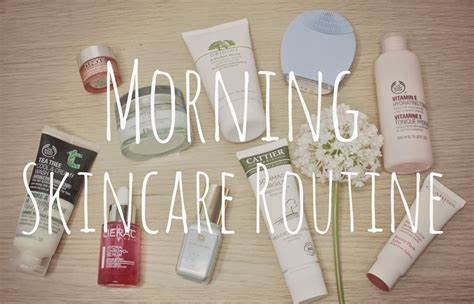
The quest for glowing, healthy skin can feel overwhelming. Endless product shelves and conflicting advice can leave you wondering where to begin. Fear not! This article is your roadmap to creating a personalized skincare routine that works for you.
We’ll explore essential steps, popular ingredients, and common concerns, empowering you to achieve your skincare goals.

The Pillars of a Healthy Routine: Cleanse, Treat, Moisturize, Protect
Regardless of your skin type or concerns, a basic skincare routine involves four fundamental steps:
Cleansing: Washing your face twice a day (morning and night) removes dirt, oil, sweat, and makeup buildup that can clog pores and lead to breakouts. Choose a gentle cleanser formulated for your skin type.
Treating: This step allows you to target specific concerns like wrinkles, acne, or hyperpigmentation. Serums, essences, or acne treatments are commonly used in this stage.
Moisturizing: Hydration is key for healthy skin. A moisturizer helps lock in moisture and prevent dryness, irritation, and flakiness. Based on your skin type—lightweight for oily skin, richer for dry skin—pick a moisturizer.
Sun Protection: Daily sunscreen use is essential to prevent premature aging, sunburns, and reduce the risk of skin cancer. Apply a broad-spectrum SPF 30 or higher sunscreen every day, even on cloudy days.
Understanding Your Skin Type: Tailoring Your Routine
The secret to a successful skincare routine lies in understanding your skin type. Here’s a breakdown of the most common types and tailoring your routine accordingly:
Normal Skin: This well-balanced skin type shows minimal blemishes and isn’t overly oily or dry. A gentle cleanser, lightweight moisturizer, and SPF are ideal.
Oily Skin: Excessive production of oil and enlarged pores are signs of greasy skin. Oil-free cleansers, lightweight, non-comedogenic moisturizers (won’t clog pores), and targeted acne treatments can help.
Dry Skin: Lacks moisture, often appearing flaky and tight. Opt for hydrating cleansers, creamier moisturizers, and hydrating serums or masks.
Combination skin: Having both dry and oily patches. Use a gentle cleanser, a lightweight moisturizer for oily zones, and a richer moisturizer for dry areas.
Beyond the Basics: Addressing Common Skin Concerns
A basic routine can be a great starting point, but you might want to incorporate additional products to address specific concerns:
Acne: Look for cleansers with salicylic acid and benzoyl peroxide, along with acne-fighting serums and spot treatments.
Wrinkles and Fine Lines: Retinol serums, antioxidants like vitamin C, and peptides can stimulate collagen production and reduce the appearance of wrinkles.
Hyperpigmentation: Vitamin C serums, glycolic acid, and kojic acid can help fade dark spots and even out skin tone.

The Importance of Consistency and Patience
Developing a consistent skincare routine is crucial. It takes time for products to show results, so be patient. Aim for a routine you can realistically maintain morning and night.
The Ingredient Glossary: Demystifying Skincare Products
Understanding common skincare ingredients can empower you to make informed choices:
A humectant that draws and holds moisture in the skin is hyaluronic acid.
Salicylic Acid: A beta hydroxy acid (BHA) that helps unclog pores and reduce inflammation.
Benzoyl Peroxide: An effective ingredient for killing acne-causing bacteria.
Vitamin C: An antioxidant that brightens skin tone and protects against sun damage.
Retinol: A vitamin A derivative that minimizes wrinkles and increases the creation of collagen.
Alpha Hydroxy Acids (AHAs): Exfoliate dead skin cells, promoting smoother and brighter skin. (e.g., glycolic acid, lactic acid)
Remember: Patch test new products on a small area of your arm before applying them to your face.
The Final Touches: Lifestyle Habits for Healthy Skin
Here are some lifestyle practices that complement your skincare routine:
Drink plenty of water: Hydration from within shows on your skin. Aim for eight glasses of water per day.
Eat a balanced diet: Nourish your skin with fruits, vegetables, and whole grains. Limit processed foods, sugar, and unhealthy fats.
Manage stress: Stress can manifest on your skin. Practice relaxation techniques like yoga or meditation.
Get enough sleep: Your skin can heal and rejuvenate when you’re well-rested.
Don’t smoke: Smoking accelerates skin aging and wrinkles.
Limit alcohol consumption: Alcohol can dehydrate your skin and worsen certain skin conditions.
Wash your makeup brushes regularly: Dirty brushes can harbor bacteria and contribute to breakouts.
Change your pillowcase regularly: This helps prevent the transfer of dirt, oil, and bacteria to your skin.
See a dermatologist: For persistent skin concerns or if you’re unsure about your skin type, consult a dermatologist for personalized advice and treatment options.

Conclusion: A Radiant Journey
Developing a skincare regimen is an introspective process. By understanding your skin type, addressing concerns, and incorporating healthy habits, you can achieve a healthy, radiant complexion. Remember, consistency is key! Enjoy the process of pampering your skin and embrace the confidence that comes with glowing from within.
FAQs
The world of skincare can feel overwhelming, with countless products and routines bombarding you from every corner of the internet, especially Youtube. But fret no more! This FAQ equips you with the knowledge to craft a personalized skincare routine that keeps your skin healthy and radiant.
What is a skincare routine?
A skincare routine is a set of steps you follow consistently to cleanse, protect, and nourish your skin. It helps maintain a healthy balance, addressing concerns like dryness, acne, or signs of aging.
Why should I have a skincare routine?
Healthy Skin: A good routine removes dirt, oil, and dead skin cells, preventing breakouts and promoting a healthy glow.
Targeted Care: Specific products address concerns like acne, wrinkles, or uneven skin tone.
Prevention is Key: A consistent routine can help prevent future skin problems.
What are the basic steps of a skincare routine?
A basic routine typically involves:
Cleansing: Washing your face morning and night to remove dirt, oil, and makeup.
Moisturizing: Hydrating your skin to keep it plump and supple.
Sunscreen (AM): Protecting your skin from harmful UV rays is crucial.
What Youtube searches reveal about skincare routines?
“What order should I apply products?” Generally, apply products from thinnest to thickest consistency. For example, cleanser first, then toner (if used), followed by serums and moisturizer. Sunscreen goes last during the day.
“How many products do I need?” Don’t overdo it! Start with a basic cleanser, moisturizer, and sunscreen. Add serums or treatments later to target specific concerns.
“What products are right for my skin type?” Understanding your skin type (dry, oily, combination, sensitive) is key. Choose products formulated for your specific needs.
Do I need a toner?
Toners are optional. They can help remove leftover residue after cleansing and balance skin pH. However, some cleansers already do this, so it depends on your routine.
What about serums and masks?
Serums are concentrated treatments that address specific concerns like wrinkles or hyperpigmentation. Masks offer intense hydration or exfoliation. These can be great additions, but introduce them gradually.
How often should I exfoliate?
Exfoliation removes dead skin cells. Depending on your skin type, 1-2 times a week is a good starting point.
Are there any mistakes to avoid?
Over-washing: This can strip your skin of natural oils.
Using harsh products: Fragrances and irritants can cause problems. Before using new products all over your face, patch test them first.
Not being consistent: For best results, stick to your routine daily.
What if I have specific skin concerns (acne, dryness, etc.)?
Consult a dermatologist! They can recommend a personalized routine and products to address your unique needs.
Remember: Your skin is unique. Experiment, find what works for you, and enjoy the journey to healthier, happier skin!
To read more, Click Here.