
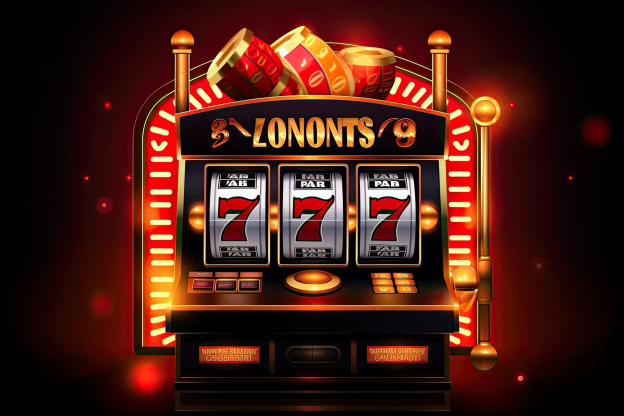
Over the years, since their creation in the late 1800s, slot machines have undergone many important changes; these models have changed from simple mechanical contraptions to high-technology gadgets run by electronic and digital mechanisms down to artificial intelligence applications; the motive for such alteration encompasses not just the changes in technology but also the way people in today’s world perceive amusement and gambling.
The Mechanical Origins of Slot Machines
Charles Fey invented the first slot machine back in 1895, naming it the Liberty Bell; this was a simple system with three turning reels covered with such symbols as a bell, horseshoe, and cards; gamers pulled on a lever and hoped that the symbols would match to reach a prize. These early machines were popular in bars and clubs since they provided a quick fun way to play.
Indeed, for most of their life, slot machines remained purely mechanical. Even though electrical elements were incorporated in the 1960s, the actual core design comprising spinning reels stayed the same; as interest in such games grew, so did the pressure for exciting new features, and with it, slots saw their next big leap.
The Digital Revolution and the Rise of Video Slots
Everything changed with the digital wave that came over in the late 1970s. Video slots replaced the old physical reels with video screens that mimicked the action of spinning reels. This opened up a whole new world of creative possibilities for game makers; without the need for real reels, designers were freed up to include new features and visuals.
Video slots enabled detailed graphics, entertaining bonus rounds, and other interactive elements. Players no longer waited for matching symbols but were indulged with exciting animations and sounds; Then came the progressive jackpots, linking many machines together to build larger prize pools. By the 1990s, the transformation was complete, and casinos introduced a whole new era for slot lovers.
The Internet Boom and the Birth of Online Slots
The gambling world welcomed yet another major shift with the internet boom in the late 1990s. Online casinos enabled players to enjoy their favorite slot games from the convenience of their homes; online slots quickly gained popularity as players could access a wide variety of games without the need to visit a physical casino.
With online slots, the variety became limitless. Game developers created all types of themes and features, well beyond what could be done with physical machines. This set off intense competition between online casinos in offering the most exciting game; before long, online slots became a major part of the online gambling world, with players from everywhere enjoying virtual reels.
Mobile Gaming and the Slot Experience on the Go
Then came the 2000s and 2010s, ushered in another change with mobile devices; smartphones and tablets put slot machines directly into people’s pockets; as mobile technology continued to grow, so did developers’ abilities to create high-quality games that could be played anywhere.
Mobile slots offered similar action to online slots but with greater convenience; players could have a quick spin while standing in line at the bank or while relaxing at home. This ease of access made slot games even more popular, still attracting new players who enjoyd the flexibility of mobile gaming.
Artificial Intelligence and the Future of Slot Machines
Now, with the advent of the future, AI is an important participant in slot machine games; with AI, slot games can be personalized, and machines can track how players behave and adjust games to make them match their style, thus making them more fun and engaging for each person.
AI can also add to security and fairness for gaming; with the use of machine learning, casinos can detect strange patterns that could denote fraud, it also makes sure the results of these games remain random and unbiased; AI-powered chatbots are already helping casinos enhance customer service by responding promptly and helpfully to a wide range of player queries.
In some future scenarios, AI can incorporate more advanced slot games whose course may change because of the choices of the players, there might also be a place for VR or AR, totally immersing players in the game. The more AI technology advances, the greater the number of new ways that slot machines can allow players to play and enjoy a game.
Ultimately, from simple mechanical machines, slot machines have come a long way to the stimulating digital experience that players enjoy today from anywhere; adding AI to modern slot games opens the door to new possibilities, from personalized gaming to security as you have never thought possible; moving into the future with technology improving each second, slot machines can only continue to be even more thrilling and unpredictable.
To read more, Click Here